The Strait of Hormuz is a critical maritime chokepoint that facilitates the transit of approximately one-fifth of global oil supplies. This vital route has become a focal point of geopolitical tensions, particularly with recent developments involving Iran. As a result, market participants have been closely monitoring the situation, given its potential impact on oil prices and economic stability.
Breaking Development
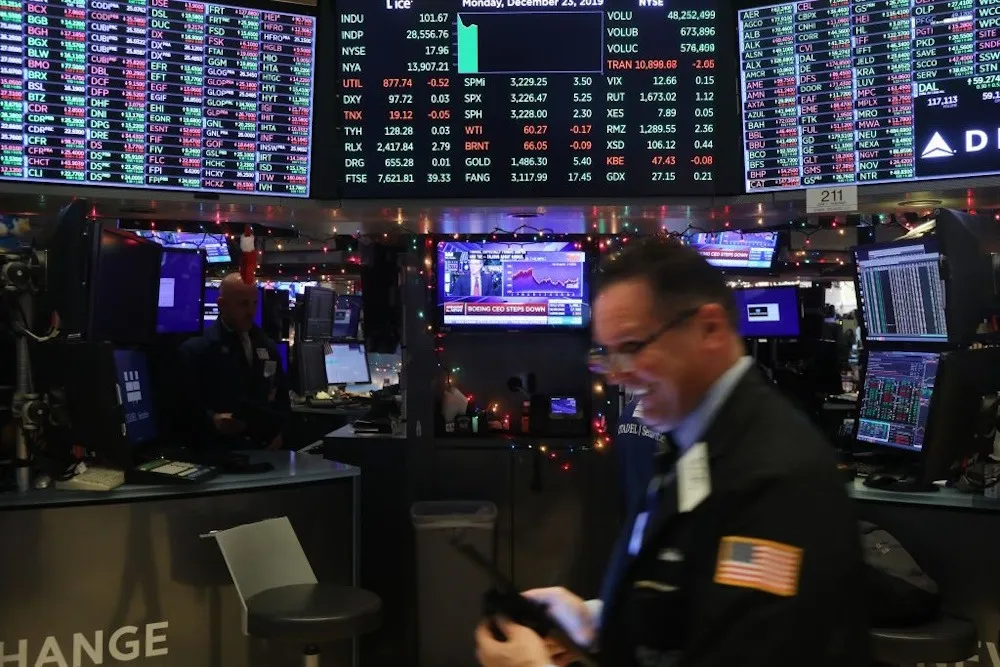
In a significant reaction to the escalating tensions, Dow futures plummeted over 1,000 points, reflecting Wall Street’s anxiety over rising oil prices. The futures tied to the Dow Jones industrial average crashed by 1,011 points, or 2.13%, as investors reacted to Brent crude futures surging nearly 18% to $109 and West Texas Intermediate (WTI) futures jumping 26% to surpass $107. The market’s volatility was further underscored by the CBOE Volatility Index (VIX), which soared to 29.49, its highest level since April 2022.
Market analysts have expressed concern over the implications of the conflict in the Middle East. Rick Rieder noted, “Markets are clearly jittery as the impact, and duration, of the war in the Mideast are very uncertain, with a potentially wide range of outcomes for economies and important market influences.” This sentiment reflects a broader unease among investors as they navigate the unpredictable landscape of global markets.
Economic Indicators
The economic backdrop is also troubling, with the U.S. unemployment rate rising to 4.4%. Additionally, non-farm payrolls in February fell by 92,000, significantly below the anticipated addition of 50,000 jobs. These indicators suggest that the U.S. economy may be facing headwinds, further complicating the market’s response to geopolitical events.
Oil Price Surge
As tensions escalated, U.S. oil futures shot up by 24.6% to $113.30 a barrel, reflecting fears of supply disruptions. The collapse of Iraq’s oil output by 60% due to the ongoing conflict has exacerbated concerns about global oil supply stability. This surge in oil prices is likely to have ripple effects throughout the economy, influencing everything from consumer prices to corporate profits.
Political Commentary
Former President Donald Trump weighed in on the situation, stating, “Short term oil prices, which will drop rapidly when the destruction of the Iran nuclear threat is over, is a very small price to pay for U.S.A., and World, Safety and Peace.” He also expressed concerns about potential leadership changes in Iran, saying, “I guess the worst case would be we do this and then somebody takes over who’s as bad as the previous person, right? That could happen.” Such statements highlight the complex interplay between politics and market dynamics.
Looking Ahead
As the situation continues to evolve, the exact impact of the geopolitical tensions on the U.S. economy remains unclear. Observers are particularly focused on how long these tensions will persist and their effects on oil prices. Details remain unconfirmed, but the market’s reaction suggests that investors will remain cautious in the face of uncertainty.