Recent Developments
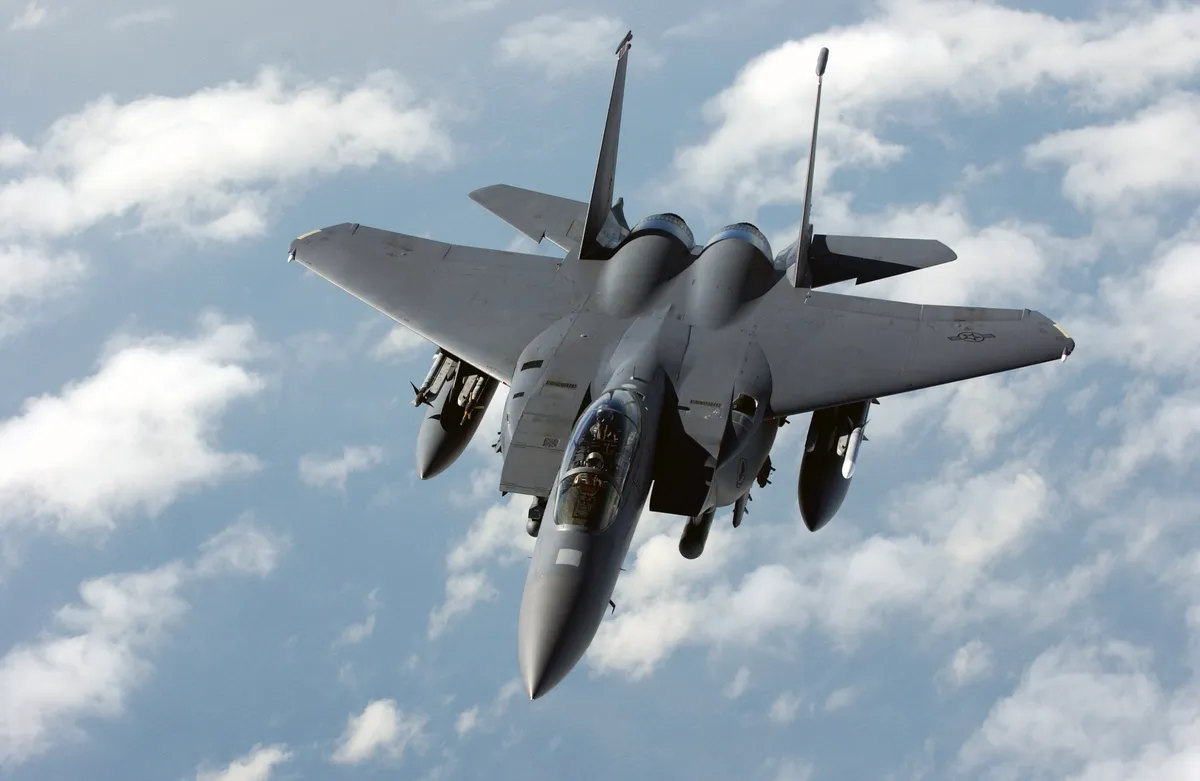
On March 9, 2026, oil prices surged more than 25%, reaching their highest levels since mid-2022. This spike is attributed to the ongoing conflict in the Middle East, which began on February 28, 2026, following U.S. and Israeli strikes on Iran.
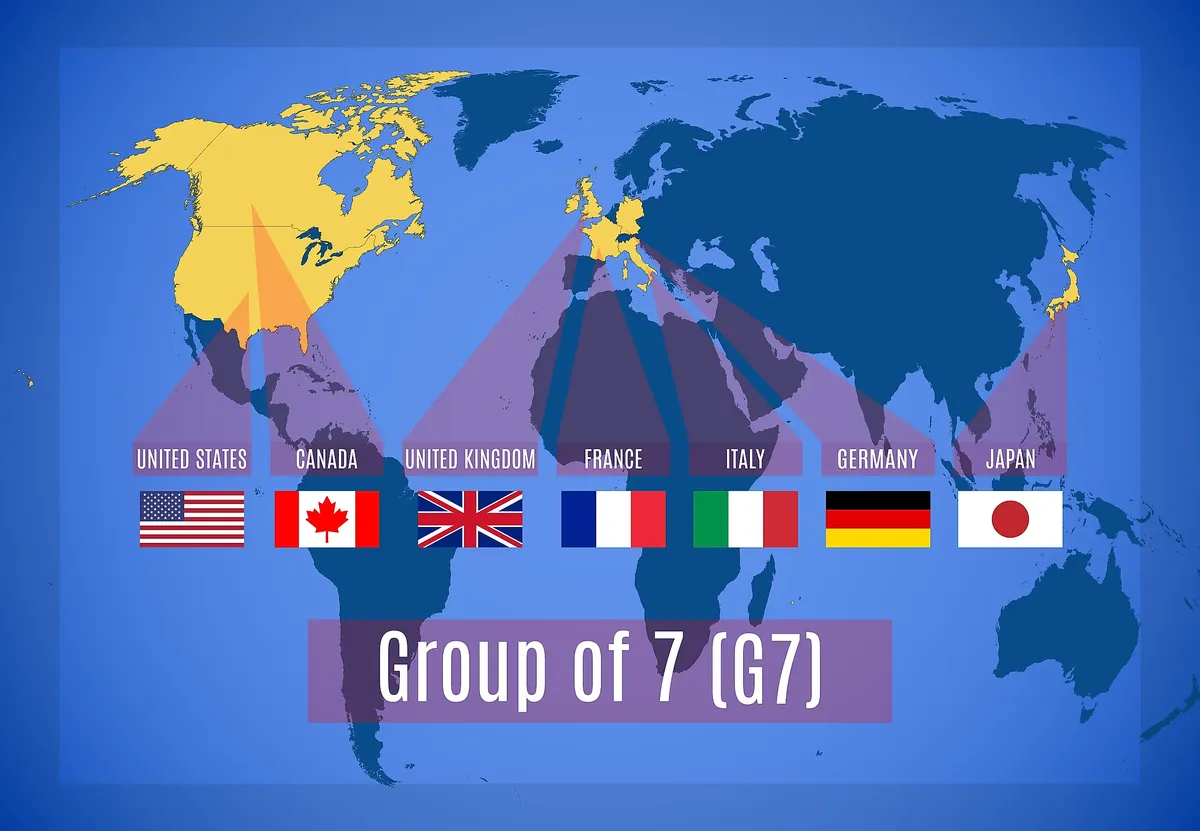
In response to the escalating situation, the G7 Finance Ministers are set to discuss a joint release of oil from emergency reserves. Three G7 countries, including the U.S., have expressed support for this initiative, aiming to stabilize the market amid rising prices.
Current Situation
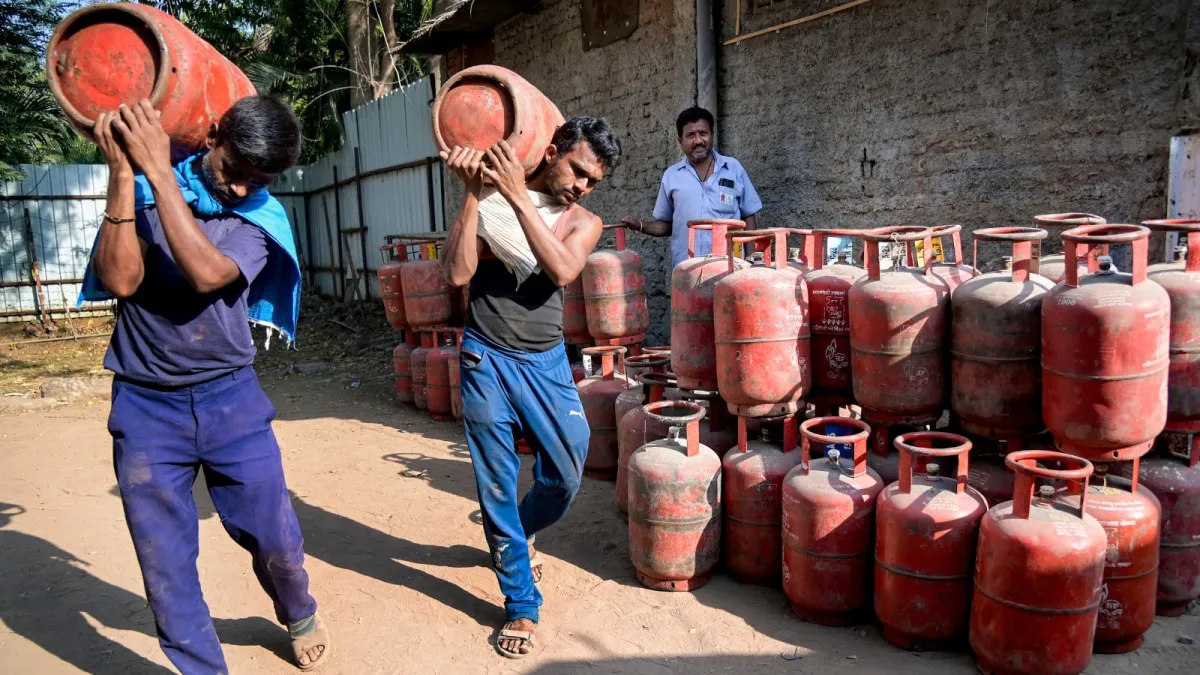
As of now, Brent crude prices have eased to $110 a barrel, while WTI crude has declined to $107 per barrel following reports of potential coordinated action. Officials are considering a release of between 300 million to 400 million barrels of oil from emergency reserves held by member countries of the International Energy Agency (IEA).
The IEA member countries collectively hold over 1.24 billion barrels of public emergency reserves, which could cover nearly one month of total oil demand in IEA countries. Historically, the IEA has coordinated five collective releases of emergency oil stocks since its establishment in 1974, following the Arab oil embargo.
Implications
This sequence of events is significant for the G7 countries and the global oil market. The coordinated release of reserves could help mitigate the impact of rising oil prices on economies reliant on stable energy costs. As discussions progress, the outcome will be closely monitored by market analysts and policymakers alike.
Details remain unconfirmed regarding the exact amount of oil to be released and the timeline for such actions. However, the urgency of the situation highlights the interconnectedness of geopolitical events and energy markets, particularly in the context of the ongoing conflict in the Middle East.