Historic Final at Narendra Modi Stadium
On March 8, 2026, the T20 World Cup final took place at the Narendra Modi Stadium in Ahmedabad, where India faced New Zealand in a highly anticipated match. The atmosphere was electric, with a sell-out crowd eager to witness history.
India batted first and set a formidable total of 255 runs. Sanju Samson was a standout performer, scoring 89 runs off 46 balls, while Abhishek Sharma and Ishan Kishan contributed with 52 runs off 21 balls and 54 runs off 25 balls, respectively. Their aggressive batting laid a strong foundation for India’s innings.
In response, New Zealand struggled to keep up with the required run rate and was ultimately bowled out for 159 runs. Jasprit Bumrah was instrumental in India’s bowling attack, taking 4 wickets for just 15 runs, earning him the title of player of the final. Axar Patel also made a significant impact, claiming 3 wickets for 27 runs.
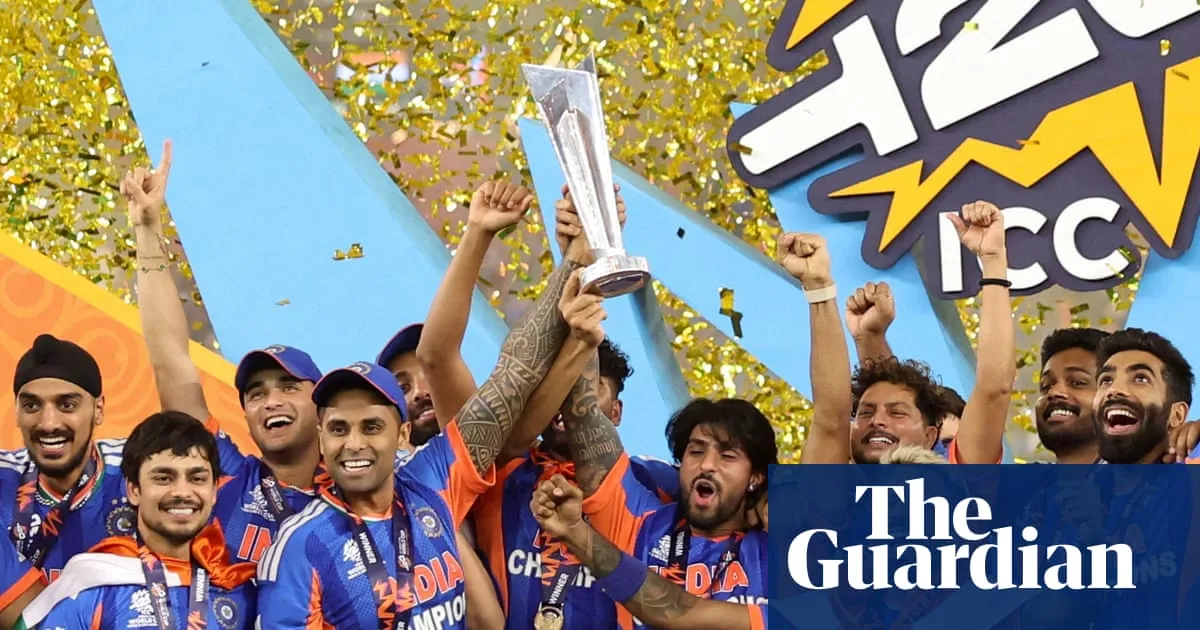
India’s victory margin of 96 runs not only secured them the title but also marked their third T20 World Cup championship. This win is particularly noteworthy as India became the first team to clinch the T20 World Cup on home soil.
New Zealand, despite their strong performances in previous tournaments, has now lost both of their T20 World Cup final appearances. This defeat adds to their history of reaching four World Cup finals since 2015 without a win.
The significance of this match extends beyond the trophy; it represents a culmination of years of effort and determination for the Indian team, who were not to be denied on their home ground. As one commentator noted, “This was their tournament, played (largely) in front of their fans, and they were not to be denied.”
With this victory, India has solidified its position as a dominant force in T20 cricket, and the players’ performances will be remembered for years to come. Bumrah’s exceptional bowling and Samson’s batting prowess were key highlights of the match.
As the cricketing world reflects on this final, the focus will now shift to the future of both teams. India will aim to build on this success, while New Zealand will look to regroup and learn from their experiences in high-pressure situations.