Current Landscape of Crude Oil Prices
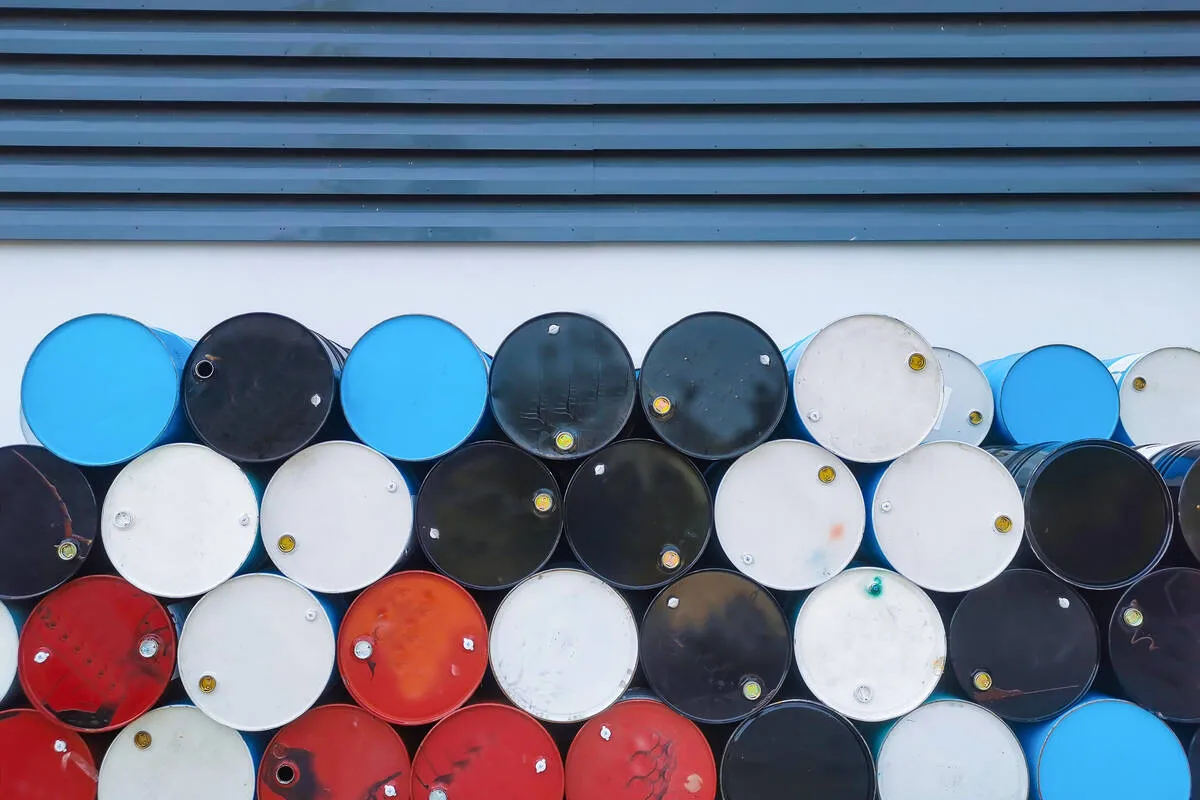
Previously, the U.S. economy had benefited from a relatively stable crude oil price environment, with gasoline prices not significantly contributing to inflation, according to the U.S. Federal Reserve. The country had established a positive oil trade balance, exporting over 6 million barrels of refined products and 4 million barrels of crude oil daily, primarily from states like Texas and New Mexico.
However, the recent surge in crude oil prices, now exceeding $100 a barrel, has shifted this dynamic. This decisive moment has raised concerns among consumers and economists alike, as high gas prices can lead to decreased spending on durable goods.
Immediate Effects on Consumers and Markets
The immediate impact of rising crude oil prices is evident at the gas pump, where consumers are already feeling the pinch. “It’s hard not to feel pessimistic when gasoline prices at the local pump are already rising,” reflects a common sentiment among drivers. High gasoline prices not only affect individual budgets but also contribute to a general sense of unhappiness among consumers.
Moreover, the increase in fuel costs may encourage more Americans to consider alternative options, such as electric cars. As prices at the pump rise, the appeal of electric vehicles grows, potentially altering the automotive market landscape.
Long-Term Implications for Investment
Historically, oil price shocks have prompted greater investment in clean technologies. As the current situation unfolds, it remains to be seen how this trend will manifest in the coming years. The high prices may accelerate the transition towards renewable energy sources and sustainable practices.
In summary, the recent rise in crude oil prices marks a significant shift from the previous stability the U.S. economy enjoyed. With a positive oil trade balance of 2.8 million barrels per day, the U.S. is positioned uniquely, yet the implications of high prices on consumer behavior and market trends are becoming increasingly evident.