Recent Developments
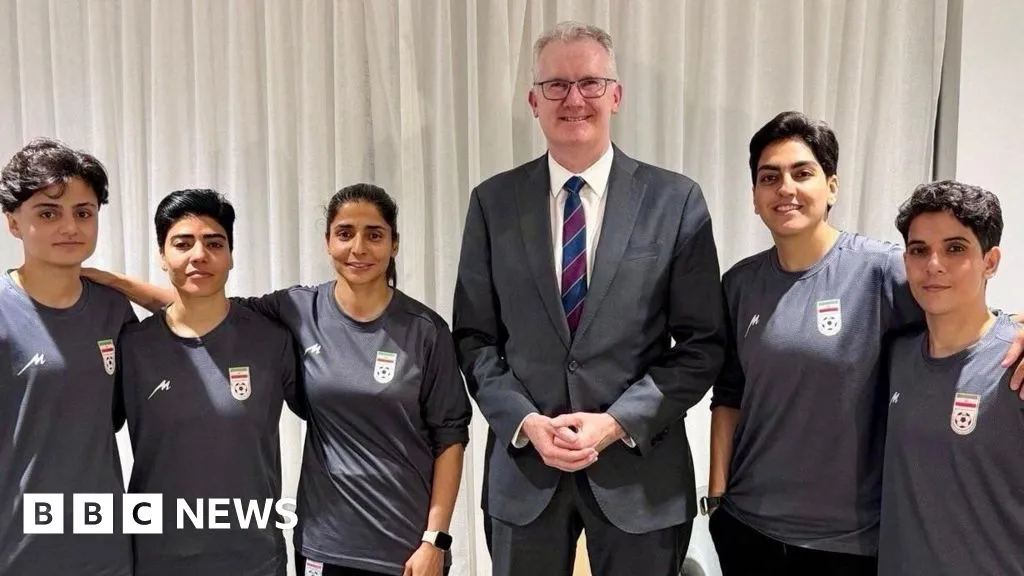
As the Iranian women soccer team arrived in Australia for the AFC Women’s Asian Cup 2026, they faced a complex situation. Just before their key match, five members of the team were granted visas, allowing them to participate in the tournament amid significant political tension.
The players, Zahra Ghanbari, Fatemeh Pasandideh, Zahra Sarbali Alishah, Mona Hamoudi, and Atefeh Ramezanizadeh, had previously faced backlash for not singing the Iranian national anthem before their first match. This act led to them being labeled as ‘wartime traitors’ back home.
Security Measures
In light of the potential repercussions, Australian authorities moved the players to a secure location for their safety. This decision underscores the gravity of the situation, especially given the backdrop of recent US and Israeli air strikes on Iran, which have resulted in significant casualties.
During this time, Donald Trump discussed the situation with Australian Prime Minister Anthony Albanese, emphasizing the need for support for the players. Trump stated, “Five have already been taken care of, and the rest are on their way,” indicating ongoing assistance for the team.
Current Status
As the tournament progresses, the Iranian team did sing the national anthem before their second match against Australia, reflecting a shift in their approach amid the ongoing scrutiny. However, the players’ futures remain uncertain, with details about how many other team members may choose to stay in Australia still unconfirmed.
Additionally, the safety of the players’ families back in Iran is a significant concern, adding to the emotional weight of their participation in the tournament. Anthony Albanese noted, “Assistance remains available for the other members of the team, but it, of course, is a decision for them.”
This sequence of events is crucial for the Iranian women soccer team, as it highlights the intersection of sports and politics. Their participation in the AFC Women’s Asian Cup is not just about competition; it represents a broader struggle for rights and recognition in a challenging environment.
As the tournament continues, the players hope that their actions will inspire change, with Elijah Buol stating, “this moment should be the start, not the end.” The situation remains fluid, and the implications of their choices will resonate beyond the field.