Recent Developments
As of March 1, 2026, the conflict between Israel and Iran has reached a critical juncture following a series of coordinated military operations. On February 28, the United States and Israel launched a joint operation named Epic Fury, targeting key Iranian assets including nuclear facilities, military infrastructure, and leadership figures. This marked a significant escalation in hostilities that have been brewing for decades, particularly as Iran has pursued nuclear capabilities and developed long-range ballistic missiles.
Military Engagements
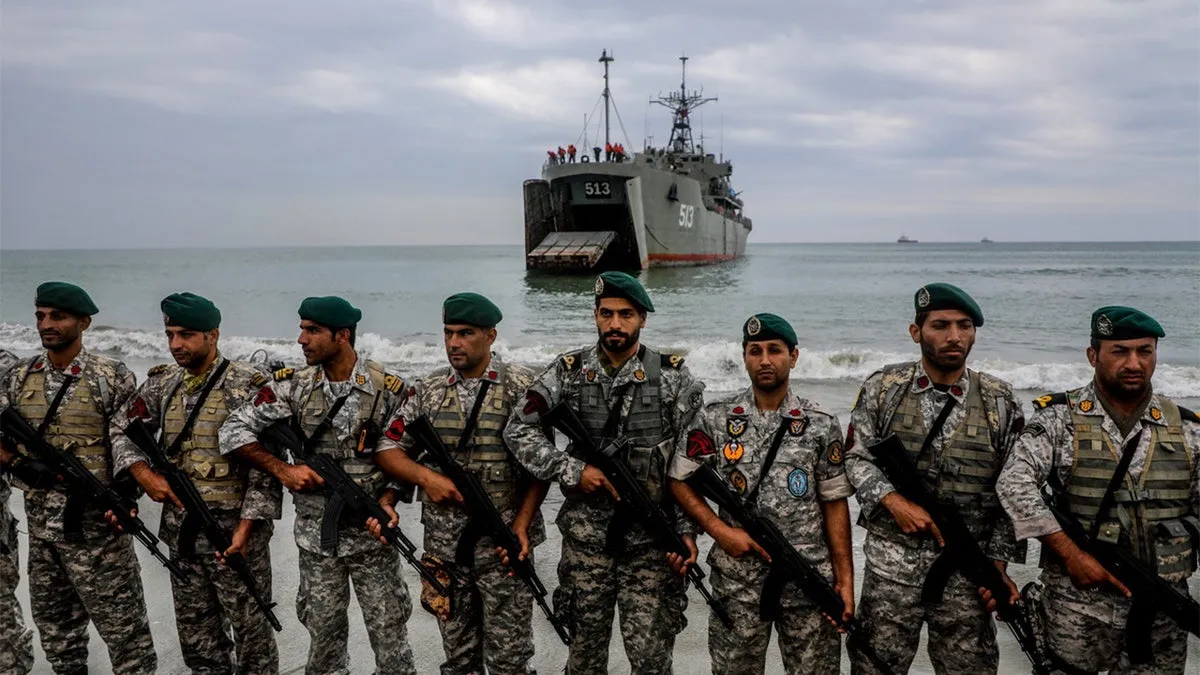
Since the onset of the conflict, Iran has launched over 180 ballistic missiles toward Israel, resulting in the deaths of 14 civilians and injuring more than 2,000 Israelis. The Iranian missile attacks have not only affected Israel but have also caused significant civilian casualties in the Gulf region, with around 30 fatalities reported outside Israel. In response, Israeli officials have reported that the Israel Defense Forces (IDF) have successfully destroyed more than 300 Iranian ballistic missile launchers, effectively crippling approximately 60% of Iran’s operational launch capacity.
Impact of Leadership Changes
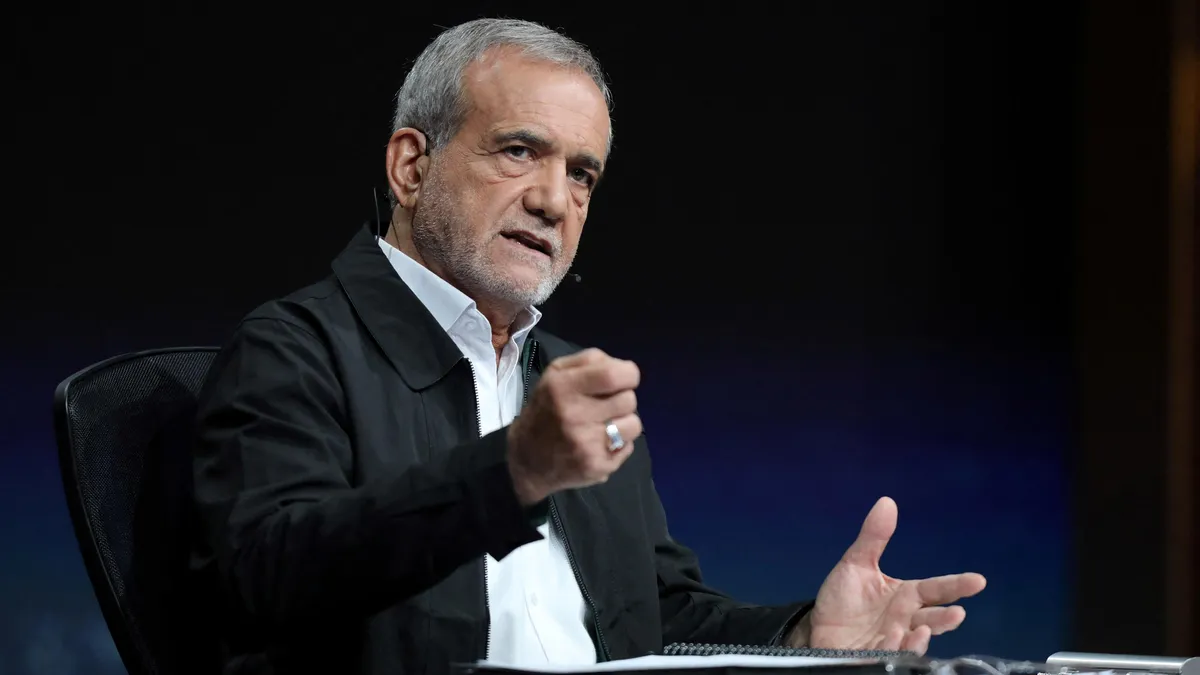
The conflict has also seen a shift in Iranian leadership, with Mojtaba Khamenei appointed as the new supreme leader following the death of his father, Ali Khamenei. This transition has led to the establishment of a temporary leadership council to oversee Iran’s governance until a new supreme leader is fully chosen. The change in leadership comes at a time when Iran faces intense military pressure from both the U.S. and Israel, raising questions about the future direction of its foreign policy.
Hezbollah’s Role
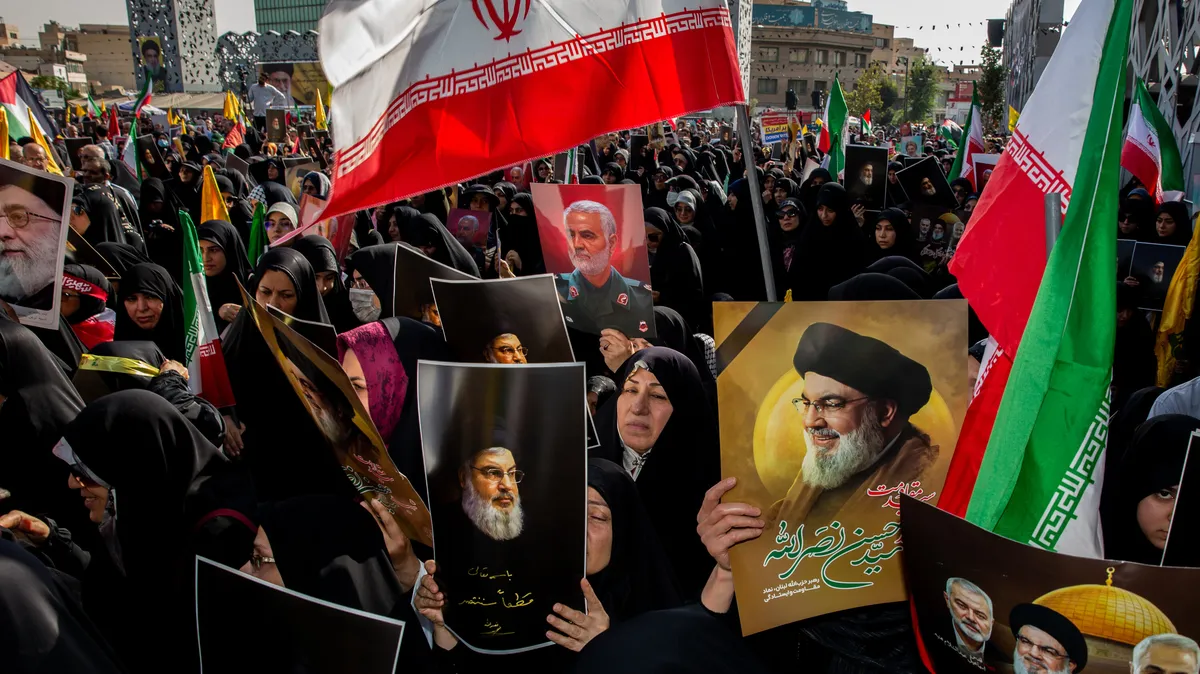
Hezbollah has intensified its involvement in the conflict, launching rockets, missiles, and drones from southern Lebanon towards Israel. This escalation adds another layer of complexity to the already volatile situation, as Hezbollah is known to maintain a significant arsenal, reportedly around 20,000 missiles. The combined military efforts of the U.S. and Israel have severely degraded Iran’s missile and drone capabilities, but the threat from Hezbollah remains a critical concern for Israeli security.
Current State of Affairs
As of now, Iranian missile attacks have declined sharply, with ballistic missile launches down approximately 90% from the first day of the war. This reduction suggests that the military operations conducted by the U.S.-Israeli coalition have had a substantial impact on Iran’s ability to project power through missile strikes. However, Iranian authorities continue to target locations linked to U.S. forces, including facilities associated with the U.S. Fifth Fleet in Bahrain, indicating that the conflict is far from over.
Statements from Leaders
In light of these developments, U.S. President Donald Trump stated, “the United States military began major combat operations in Iran to defend the American people by eliminating imminent threats from the Iranian regime.” Israeli Prime Minister Benjamin Netanyahu echoed this sentiment, asserting that “Israel acted to remove the existential threat posed by the terrorist regime in Iran.” Both leaders emphasized the necessity of these military actions to ensure regional stability and security.
Significance of the Conflict
The ongoing conflict holds significant implications for the Middle East and beyond. The military engagements not only affect the immediate parties involved but also have broader repercussions for regional alliances and security dynamics. The situation remains fluid, and while military operations have achieved certain objectives, the long-term resolution of tensions between Israel and Iran remains uncertain. As the conflict unfolds, the international community watches closely, aware that the outcomes could reshape the geopolitical landscape of the region.