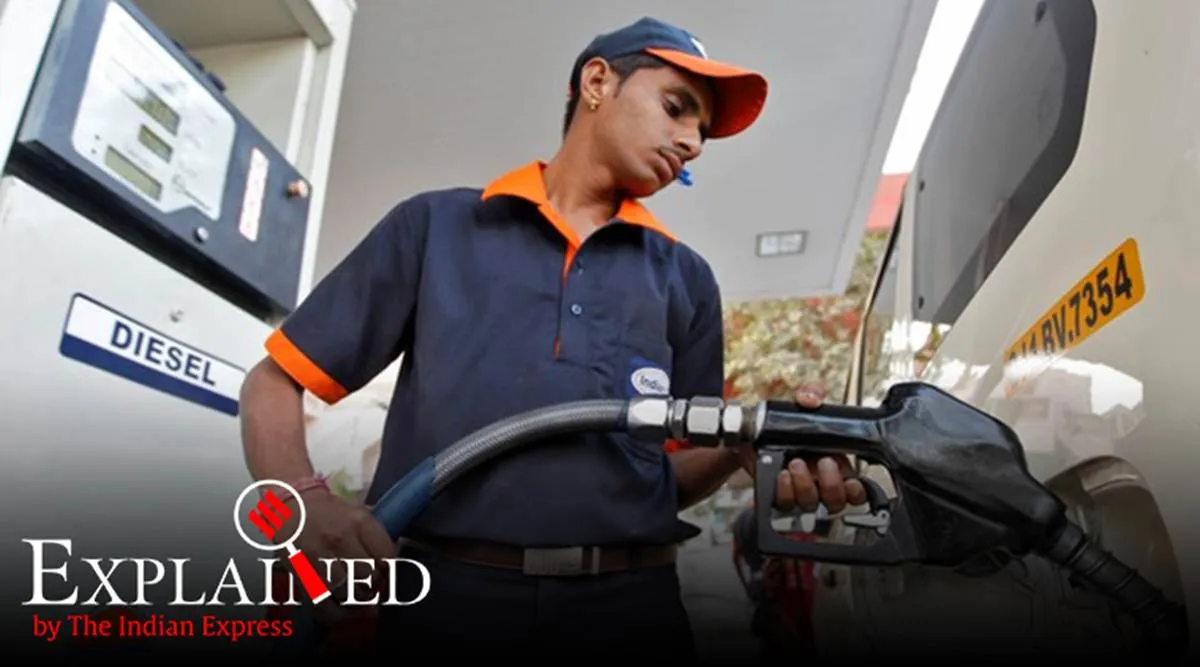
Impact of Rising Petrol Prices in Bengaluru
As of March 10, 2026, the petrol price in Bengaluru has surged to Rs 102.92 per litre, a significant concern for motorists and businesses alike. This increase not only affects daily commuters but also has broader implications for the local economy, as fuel prices directly influence transportation costs and, consequently, the prices of goods and services.
The current petrol price reflects a period of stagnation in India, where fuel rates have remained unchanged since May 2022, despite fluctuations in global crude oil prices. Currently, global crude oil prices are hovering around $90 to $100 per barrel, which has put pressure on local fuel prices. The situation is further complicated by geopolitical tensions, particularly the ongoing Iran-Israel war, which has raised concerns about the stability of oil supplies.
Karnataka, home to over 5,000 petrol stations, has approximately 450 located in Bengaluru alone. This extensive network is crucial for meeting the fuel demands of a city with a rapidly growing population and a significant number of residents living in paying guest accommodations—estimated at around 15,000, with more than 10 lakh residents relying on such facilities. The rising fuel prices are likely to impact these residents significantly, as they often depend on affordable transportation.
According to a senior member of the State Federation of Petroleum Traders, “Motorists need not rush to fuel pumps to tank up.” This statement suggests that while prices are high, there may not be an immediate threat of shortages. However, the uncertainty surrounding the geopolitical landscape raises questions about future supply stability. An official has warned, “If the West Asia war continues, the supply will definitely be hit, and prices of petrol, diesel and kerosene will go up.” This indicates that the current price levels may not be sustainable if the situation escalates.
Despite the current price of petrol, which stands at Rs 102.92 per litre, the diesel price in Bengaluru is also notable at Rs 88.99 per litre. The disparity between petrol and diesel prices can affect various sectors differently, particularly those reliant on transportation and logistics. With the majority of India’s crude oil being imported from Gulf countries, any disruption in these supply lines could have immediate repercussions on fuel prices across the country.
The domestic fuel rates have not been revised in response to the global market’s volatility, which raises questions about the government’s pricing strategy and its ability to shield consumers from external shocks. As the situation develops, it will be crucial to monitor both local and global factors that could influence future pricing.
Details remain unconfirmed regarding potential changes in fuel pricing policies or any government interventions that may be on the horizon. As Bengaluru navigates these challenges, the impact of rising petrol prices will continue to be a focal point for residents and policymakers alike.