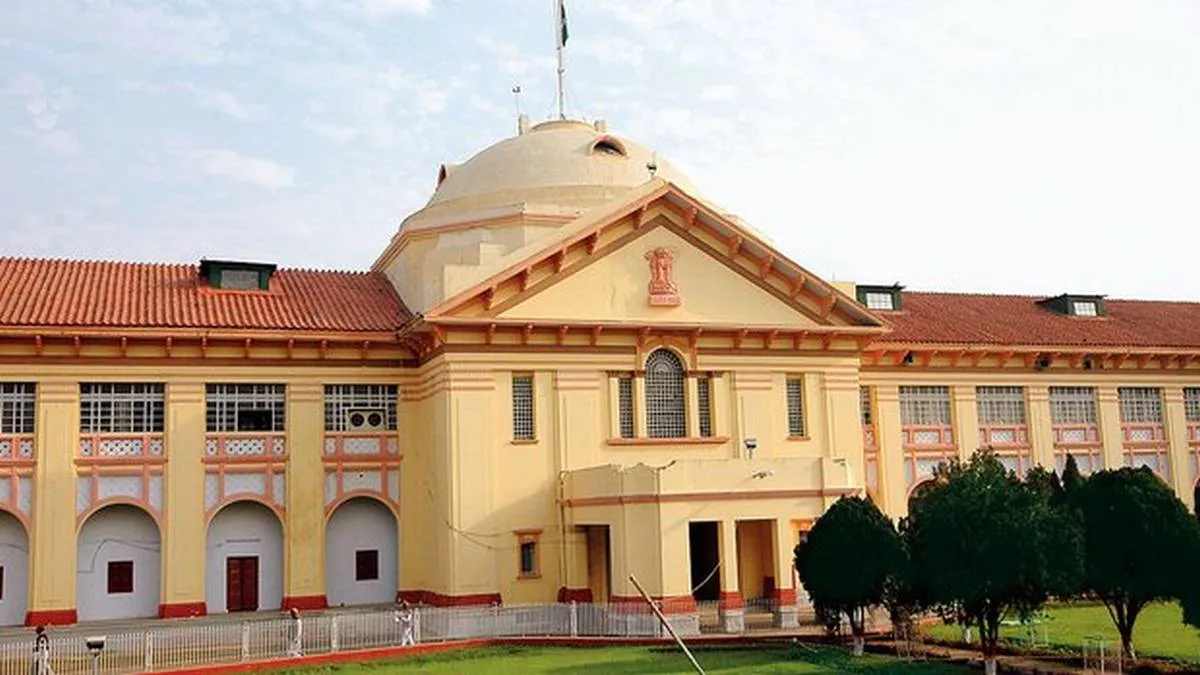
What recent decisions have been made by the Patna High Court and the Supreme Court of India?
The Patna High Court and the Supreme Court of India have recently issued pivotal rulings that address critical issues surrounding property rights and eviction procedures in Bihar. These decisions raise important questions about the balance between state authority and individual rights.
What did the Patna High Court rule regarding eviction?
On March 10, 2026, the Patna High Court directed the Bihar government to halt the eviction of a Mahadalit woman from a settlement in Begusarai district. This ruling was significant as it emphasized the court’s role in protecting vulnerable individuals from state actions that may infringe upon their rights. The court stated that the eviction would be paused until further orders, as it seeks clarification from the state regarding the Bihar Land Encroachment Act of 1956.
How did the Supreme Court intervene in property acquisition matters?
In a separate but equally impactful ruling, the Supreme Court of India struck down a Bihar law that aimed to acquire the Srimati Radhika Sinha Institute and Sachchidananda Sinha Library, a century-old institution in Patna. Established in 1924 by Sachchidanand Sinha in memory of his wife, the library has been a significant cultural and educational resource. The Supreme Court found the Bihar law to be manifestly arbitrary and in violation of Article 14 of the Constitution, which guarantees equality before the law.
What were the implications of the Supreme Court’s ruling?
The Supreme Court’s decision highlighted the inadequacies of the 2015 Act, which allowed the state to take over the library for a token compensation of just one rupee. The court ruled that such a provision was confiscatory and failed constitutional scrutiny. The Supreme Court restored the management and administration rights of the library to its trustees, reversing the actions taken under the 2015 Act.
What did the Supreme Court say about the compensation framework?
The Supreme Court articulated that “a statutory provision that enables acquisition of property while reducing compensation to a token amount lacks the basic attributes of fairness.” This statement underscores the court’s commitment to ensuring that property rights are not arbitrarily violated by legislative measures. The absence of a principled framework for compensation was also noted, indicating the arbitrary nature of the law.
What is the historical context of the library in question?
The Srimati Radhika Sinha Institute and Sachchidananda Sinha Library was established through a trust supported by Sachchidanand Sinha’s personal funds, which included an initial contribution of ₹50,000 from the sale of ancestral property. Additionally, Sinha donated around 10,000 volumes to the library, making it a vital repository of knowledge and culture in the region.
What comes next for the affected parties?
As the Patna High Court continues to examine the eviction case, the implications of these rulings are likely to resonate throughout Bihar and beyond. The decisions made by these courts serve as a reminder of the importance of legal protections for individuals against state overreach. However, details remain unconfirmed regarding the next steps for the Mahadalit woman facing eviction and the future management of the library.