Escalation in the Iran-Israel-US War
On March 11, 2026, the Iran-Israel-US war continues to escalate, with Iran outlining three conditions for a potential end to the conflict. These conditions include recognition of Iran’s rights, compensation for war damage, and guarantees against future attacks, as stated by Iran’s President Masoud Pezeshkian.
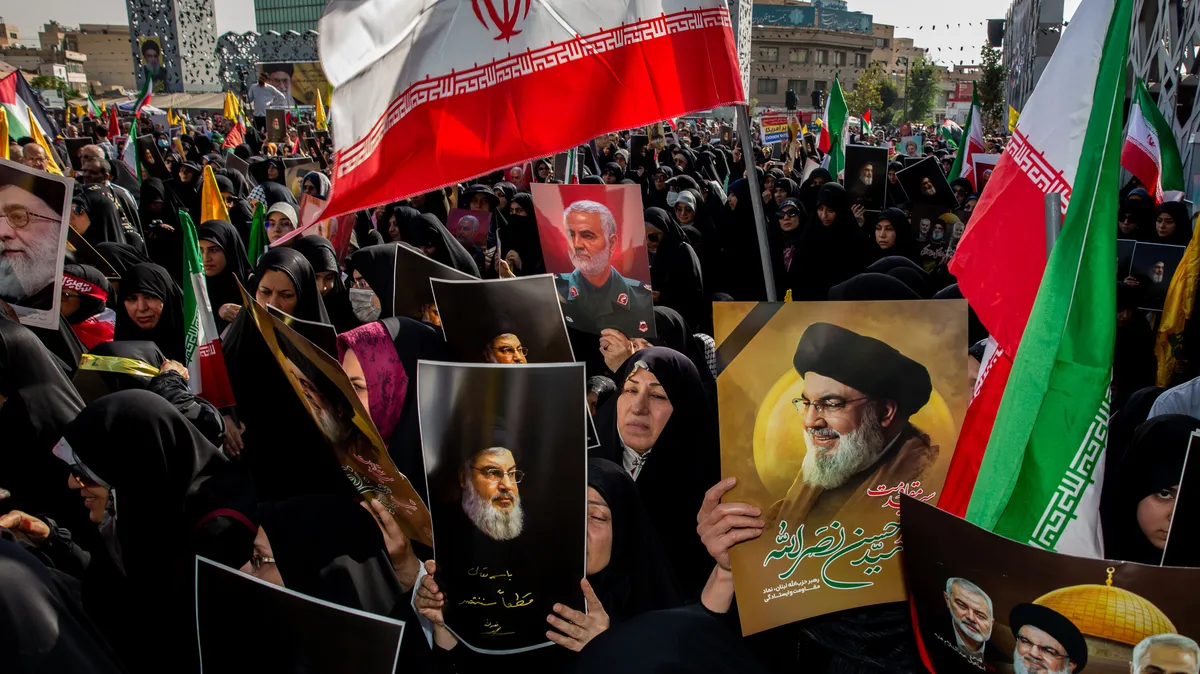
The war, which began on February 28, 2026, was triggered by the assassination of Iran’s Supreme Leader and several top officials. This event has led to significant military actions and a deteriorating situation in the region, with Iranian military officials warning that any attack on its ports could provoke a wider regional response.
As the conflict unfolds, Israeli officials have expressed skepticism regarding the effectiveness of military pressure on Iran, suggesting that it may not lead to the collapse of Iran’s political system. Despite ongoing hostilities, Iran maintains that it is open to peace negotiations, provided that the damage caused by the conflict is addressed.
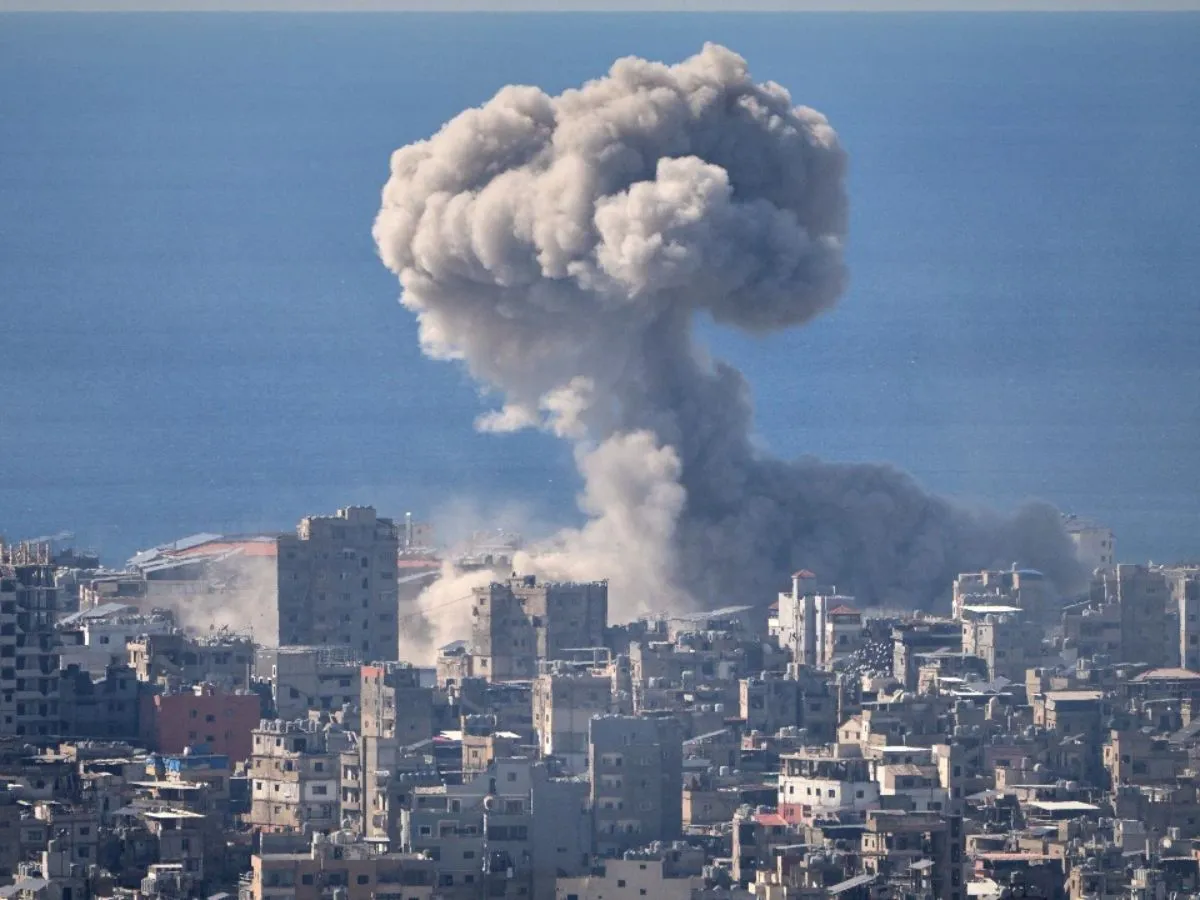
The war has resulted in substantial civilian casualties and widespread destruction of infrastructure within Iran. The ongoing conflict, coupled with international sanctions, has further exacerbated Iran’s economic situation, leading to increased hardship for its citizens.
In a recent statement, Pezeshkian emphasized the necessity of international recognition of Iran’s rights, stating, “The only way to end this war — ignited by the Zionist regime and U.S. — is recognising Iran’s legitimate rights, payment of reparations, and firm international guarantees against future aggression.” This highlights Iran’s insistence on reparations as a critical component of any peace agreement.
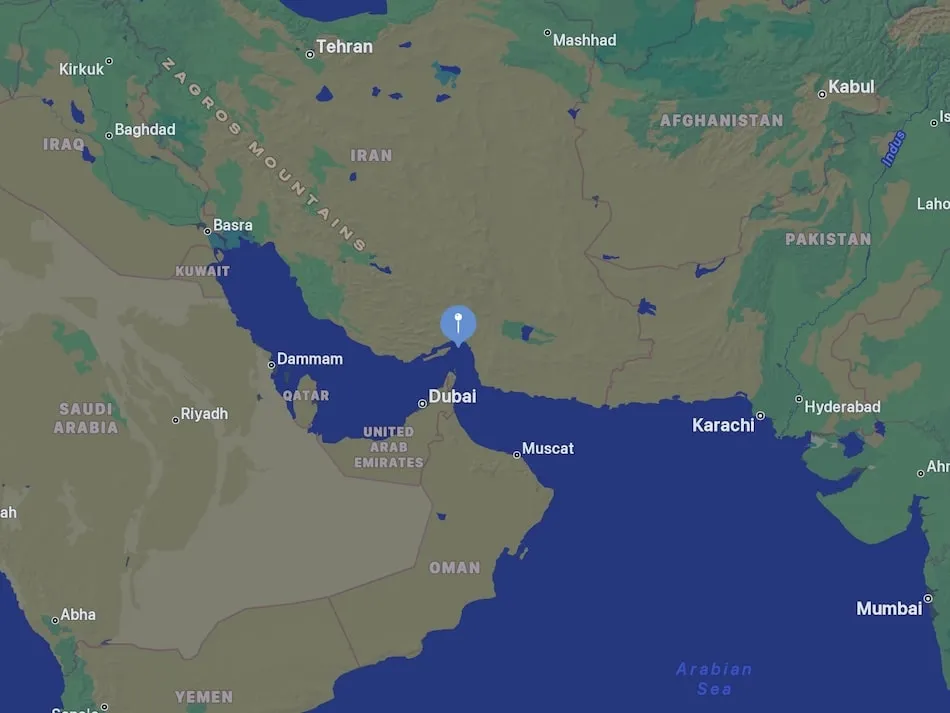
In response to threats to its ports, Iranian military spokesperson Abolfazl Shekarchi warned, “If our ports and docks are threatened, all ports and docks in the region will be our legitimate targets.” This statement underscores the potential for the conflict to escalate further, impacting not just the immediate region but also global shipping routes and energy markets.
The conflict’s ramifications extend beyond military engagements, as the price of Brent crude has surged to $100 per barrel due to the ongoing instability in the region. This increase reflects the broader impact of the war on global energy markets, raising concerns among international stakeholders.
As the situation develops, reactions from various international entities remain critical. Iranian officials, including Mohammad-Bagher Ghalibaf, have stated, “The aggressor must be punished and taught a lesson that will deter them from attacking Iran again,” indicating a firm stance on Iran’s part regarding its military and diplomatic strategy moving forward.