Background of the Conflict
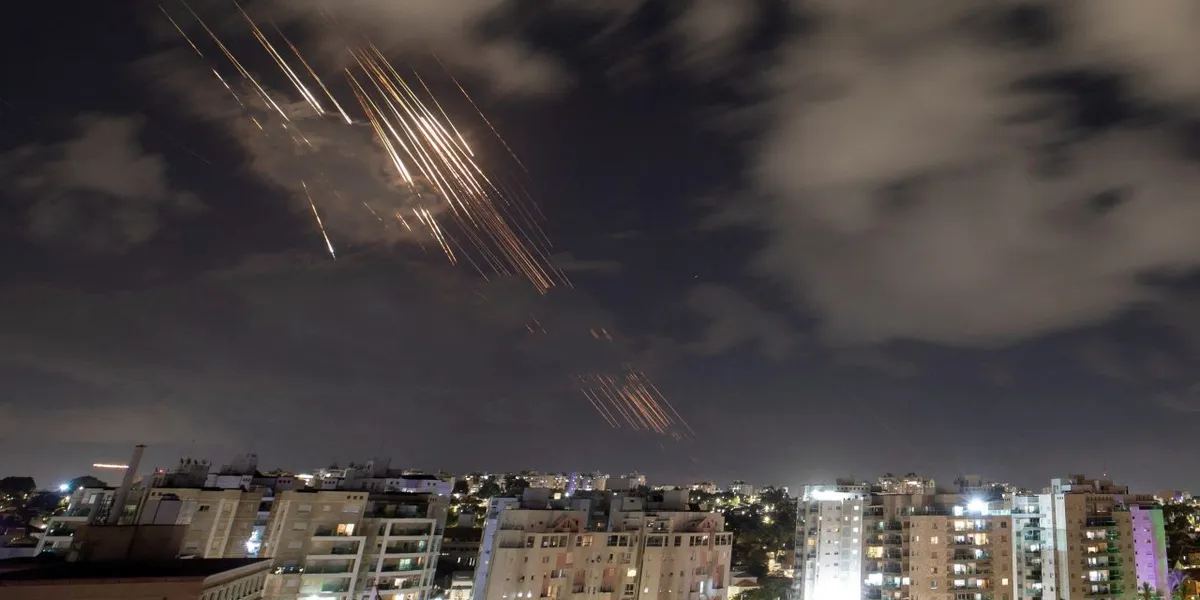
The escalation in hostilities between the US, Israel, and Iran began on 28 February 2026. This period has been marked by increasing tensions, particularly as Iran has been targeting Gulf Cooperation Council (GCC) countries with missile strikes and drone missions. The backdrop of these events includes a military campaign led by the US and Israel aimed at degrading Iran’s military capabilities, which has further complicated the geopolitical landscape.
Recent Developments
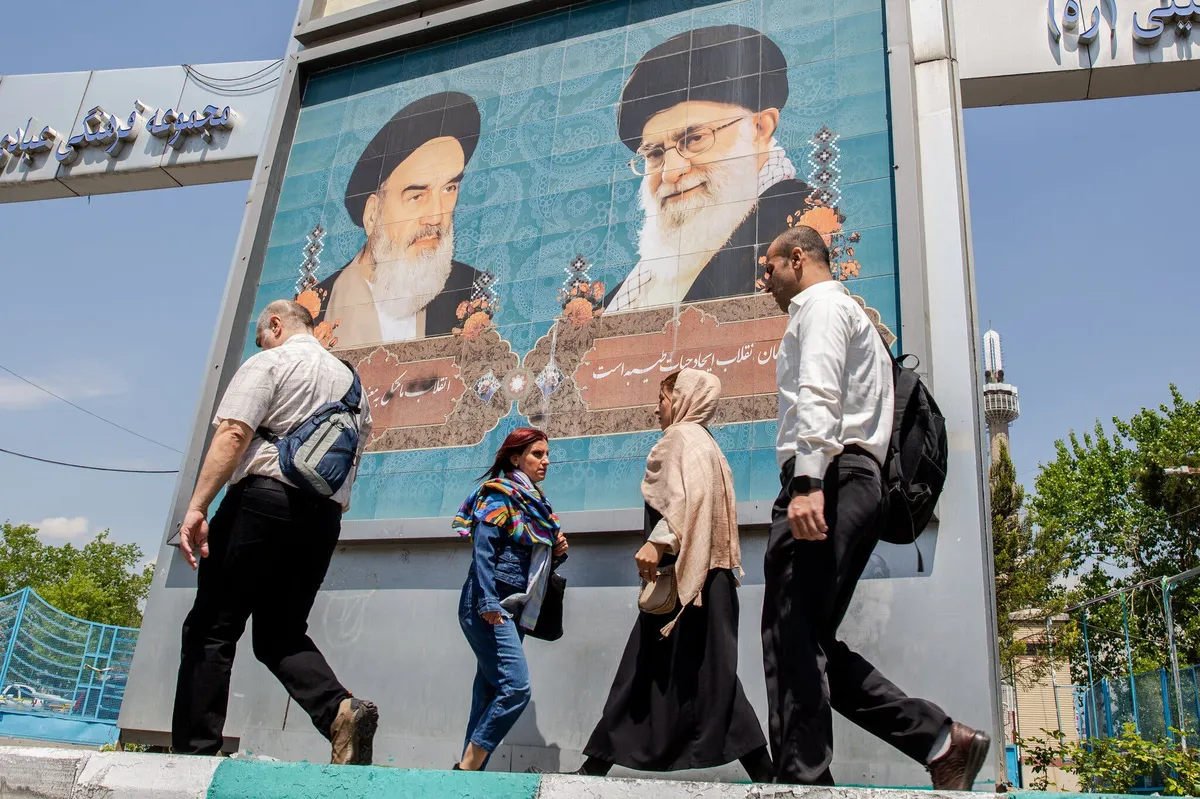
In a significant development, Mojtaba Khamenei, Iran’s new leader, was injured in an attack that also claimed the lives of six family members, including his father. This incident occurred on the opening day of US-led airstrikes against Iran, which have intensified the ongoing conflict. Reports indicate that Khamenei is being kept out of the public eye due to fears of assassination, highlighting the precarious situation of Iran’s leadership.
Casualties and Reactions
The death toll from the war in Iran has tragically reached 1,400, a stark reminder of the human cost of the conflict. Initial reactions to the attack on Khamenei have varied, with some officials expressing relief that he survived the incident. Yousef Pezeshkian stated, “I heard news that Mr. Mojtaba Khamenei had been injured. I have asked some friends who had connections. They told me that, thank God, he is safe and sound.” This sentiment reflects the concern surrounding the stability of Iran’s leadership.
Statements from Officials
Alireza Salarian, a spokesperson, commented on the attack, saying, “He was also there and he was injured in that bombardment but I haven’t seen that reflected in the foreign news.” This highlights the challenges in obtaining accurate information amid the chaos of conflict. Furthermore, Salarian noted the late supreme leader’s stance on nuclear weapons, emphasizing that Iran’s religious code forbids their use. This statement aims to reassure both domestic and international audiences regarding Iran’s military intentions.
International Implications
As the conflict escalates, observers are increasingly concerned about Iran’s military strategy, which involves second-order coercion against the US and Israel. John Cohen, a security expert, warned that Iran has established an extensive presence in Mexico and South America, suggesting that they possess the capability and incentive to conduct attacks beyond their immediate region. This raises alarms about the potential for broader conflict and instability.
Looking ahead, the situation remains fluid, with uncertainties surrounding the exact timing and method of the alleged drone attack on California. Additionally, the full extent of Mojtaba Khamenei’s injuries is not confirmed, leaving many questions unanswered. As tensions continue to rise, the international community watches closely, anticipating further developments in this volatile situation.
In summary, the Israel Iran attack represents a critical juncture in the ongoing conflict, with significant implications for regional stability and international relations. As both sides prepare for potential escalations, the world remains on edge, awaiting the next moves in this high-stakes geopolitical chess game. Details remain unconfirmed.