The numbers
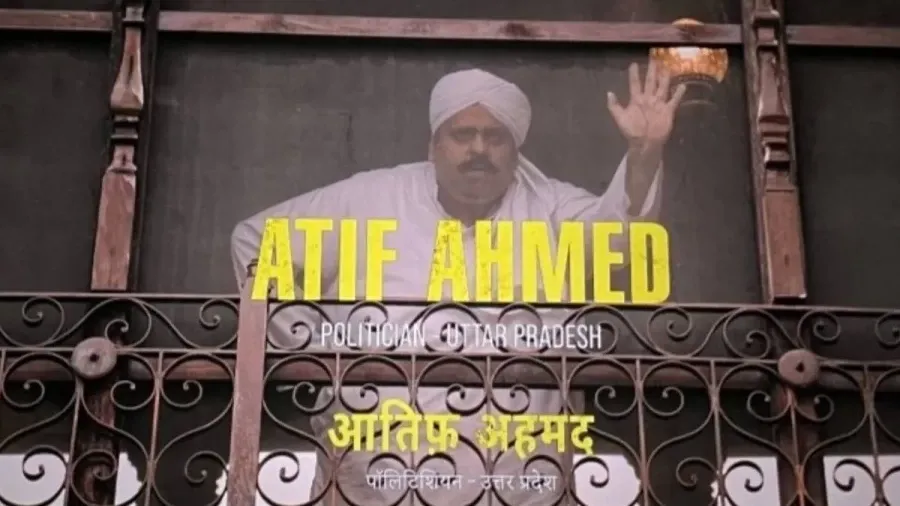
The film ‘Dhurandhar 2’ has officially hit theaters, showcasing the character Atif Ahmed, portrayed by actor Salim Siddiqui. This character draws inspiration from the real-life gangster-turned-politician Atiq Ahmed, who was born in 1962 in Prayagraj, India, and had a notorious history with over 160 criminal cases against him.
Atiq Ahmed’s life was marked by a blend of crime and politics, having served as both a Member of the Legislative Assembly (MLA) and a Member of Parliament (MP). His criminal record began at the young age of 17, and he faced serious charges in 100 of those cases. The film’s narrative culminates in the assassination of Atif Ahmed, mirroring the shocking real-life assassination of Atiq Ahmed on April 15, 2023, when he was shot dead at point-blank range while in police custody.
Salim Siddiqui’s portrayal of Atif Ahmed has been described as a “carbon copy” of Atiq Ahmed, capturing the essence of a man deeply entrenched in the criminal-political nexus of Uttar Pradesh. The film delves into themes of organized crime and its intersection with politics, reflecting on how individuals like Ahmed navigate these treacherous waters.
In addition to the character of Atif Ahmed, ‘Dhurandhar 2’ introduces Major Iqbal, a character inspired by Ilyas Kashmiri, a notorious Pakistani militant leader. The film intertwines fictional elements with real-life inspirations, creating a narrative that resonates with contemporary geopolitical events, including references to the 2008 Mumbai attacks.
As the plot unfolds, viewers witness the quest for revenge by Hamza, a character who seeks to avenge the death of Atif Ahmed. “As long as Atif Ahmed is alive, he will handle everything,” states Major Iqbal, emphasizing the character’s perceived invincibility and the complex dynamics of power and violence.
With a runtime of 3 hours and 49 minutes, ‘Dhurandhar 2’ aims to captivate audiences, but some critics argue that it often seems desperate to convince viewers of the current regime’s calculated actions. One reviewer noted, “It can’t be that simplistic but then it’s just a movie. It’s the business of selling dreams.” Such commentary reflects the ongoing discourse surrounding the portrayal of crime and politics in Indian cinema.
As audiences flock to theaters, the reception of ‘Dhurandhar 2’ remains to be seen. Will it resonate with viewers seeking a gripping narrative inspired by real events, or will it fall short of expectations? Details remain unconfirmed as the film continues to generate buzz in the cinematic landscape.