Reaction from the field
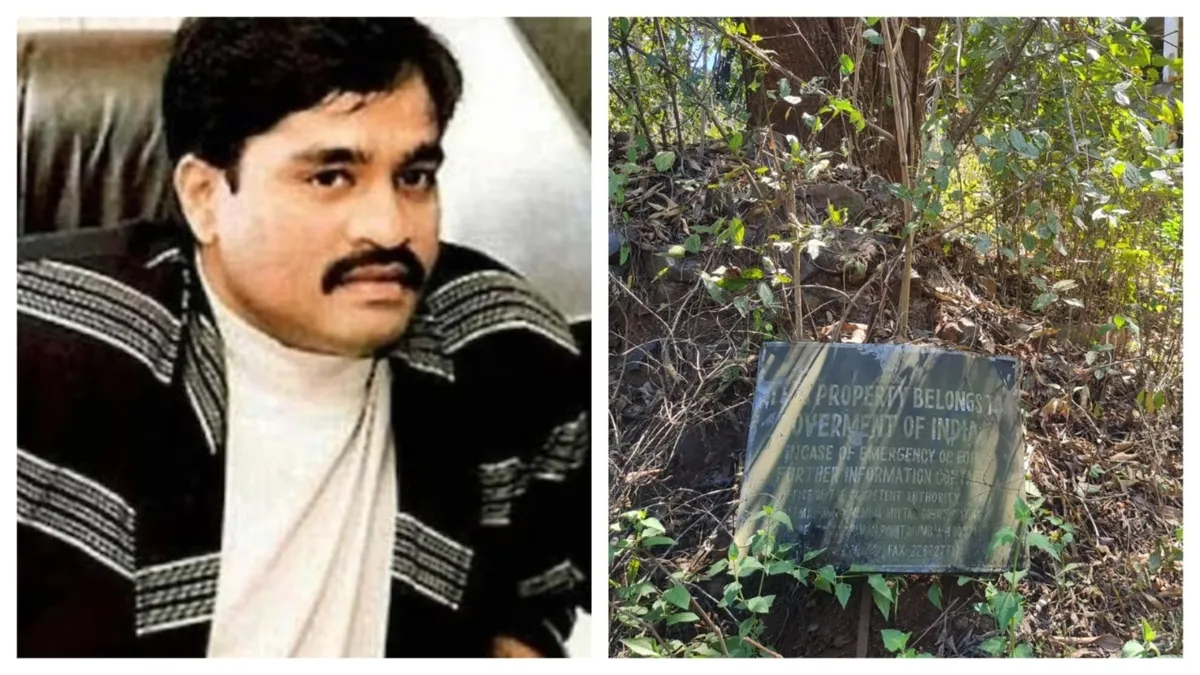
The recent auction of Dawood Ibrahim’s properties in Ratnagiri marks a significant development in the ongoing efforts to dismantle the criminal networks linked to the infamous gangster. The auction, which took place on March 5, 2026, involved four agricultural plots that were registered in the name of Ibrahim’s mother, Amina Bi. This move follows several failed attempts to liquidate assets associated with Ibrahim, who has been a central figure in India’s fight against organized crime and terrorism.
The properties were seized under the Smugglers and Foreign Exchange Manipulators (Forfeiture of Property) Act (SAFEMA), highlighting the legal framework being utilized to target Ibrahim’s extensive criminal empire. In the latest auction, two buyers emerged, with one securing a single plot and another acquiring three plots. The reserve price for one of these plots was set at 9 lakh, while the final sale price reached 10 lakh, indicating a robust interest in these assets despite their controversial history.
Dawood Ibrahim, who orchestrated the 1993 Mumbai serial blasts that resulted in the deaths of over 250 individuals, has long been a fugitive, reportedly receiving support from Pakistan. His designation as a Specially Designated Global Terrorist by the United States since 2003 underscores the international ramifications of his criminal activities, which include connections to Al-Qaeda and a narco-terror empire. The UN Security Council has multiple addresses for Ibrahim in Karachi, further complicating efforts to apprehend him.
The successful sale of Ibrahim’s properties is viewed as a key step in the Indian government’s broader strategy to liquidate assets linked to criminal networks. An official stated, “The successful sale is being viewed as a key step in the government’s broader effort to liquidate properties linked to criminal networks.” This development comes at a time when Ibrahim’s notoriety has been reignited by the recent release of Aditya Dhar’s film, Dhurandhar 2, which features a character implied to be based on him, stirring public interest and speculation about his current status.
Despite the auction’s success, uncertainties linger regarding the identities of the buyers, which have not yet been disclosed. Additionally, the status of Dawood Ibrahim’s health and whereabouts remains unclear, as his death has been reported multiple times but never officially confirmed. Details remain unconfirmed.
The auction of Ibrahim’s properties is not just a financial transaction; it symbolizes the ongoing struggle against organized crime in India. As authorities continue to pursue assets linked to Ibrahim and his associates, the implications of these actions resonate far beyond the auction block, impacting the broader narrative of justice and accountability in the region.
As the situation develops, the government’s commitment to dismantling the networks that Ibrahim represents will be closely scrutinized. The auction serves as a reminder of the enduring legacy of Dawood Ibrahim and the challenges that lie ahead in addressing the complex web of crime and terrorism that he has woven over the decades.