What observers say
Dhurandhar, a two-part film series, has sparked intense discussions regarding its authenticity and the real-life events that inspired its narrative. The second installment, Dhurandhar 2, draws heavily from actual geopolitical conflicts between India and Pakistan, intertwining fiction with the stark realities of historical events.
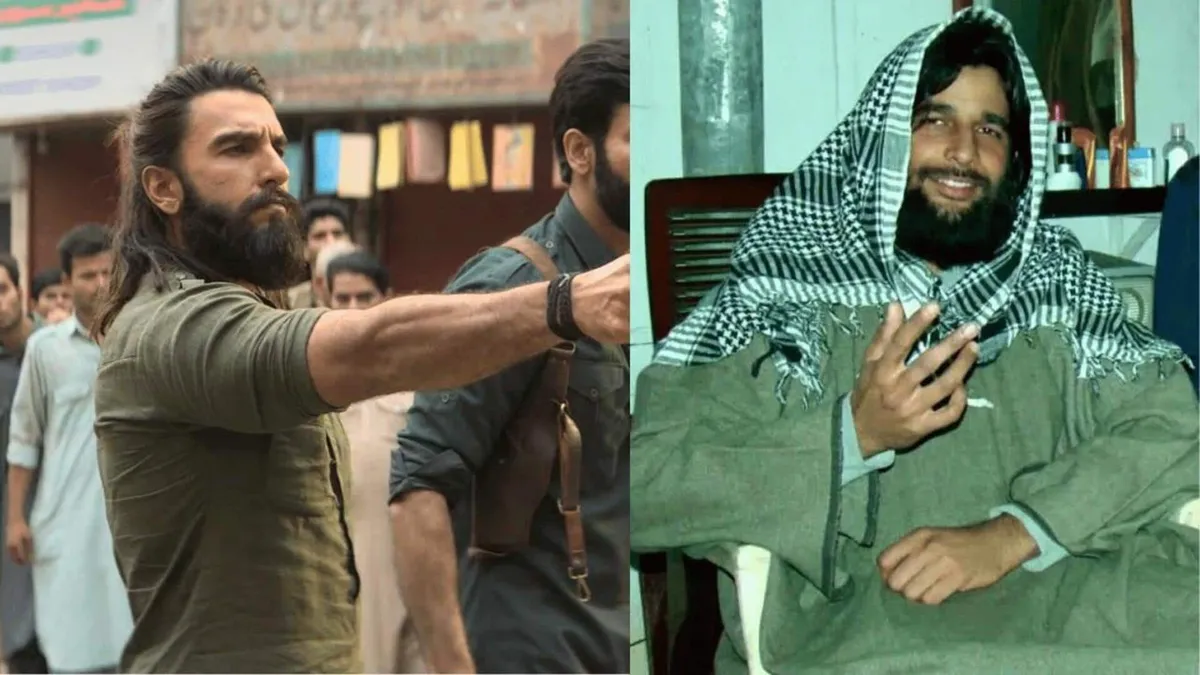
Key figures in the film are based on notorious real-life characters. Major Iqbal, for instance, is modeled after Ilyas Kashmiri, who was linked to the 2008 Mumbai attacks. Similarly, SP Chaudhry Aslam is inspired by a real police officer who tragically lost his life in a suicide bombing. These portrayals raise questions about the fine line between dramatization and factual representation.
Ajay Sanyal, a character in the film, is based on Ajit Doval, India’s National Security Advisor, while Jameel Jamali reflects the life of Nabil Gabol, a former member of Pakistan’s National Assembly. The film also features Uzair Baloch, a gangster whose real-life exploits add a layer of authenticity to the narrative. The inclusion of these figures not only enhances the film’s dramatic tension but also serves as a commentary on the ongoing conflicts in the region.
Furthermore, the film references significant events such as the 2016 Indian banknote demonetization, linking it to Hamza’s mission in Dhurandhar 2. This connection to contemporary issues makes the film resonate with audiences familiar with the socio-political landscape of India and Pakistan.
Additionally, the deaths of various characters, including Azam Cheema and Sajid Mir, are inspired by real incidents, grounding the film in a reality that many viewers recognize. The first part of the series, Dhurandhar 1, was inspired by the 1999 Kandahar Hijack, showcasing the filmmakers’ commitment to drawing from significant historical events.
As the narrative unfolds, the film’s creators have been careful to maintain a balance between fact and fiction, allowing for creative liberties while still paying homage to the real stories that shape the region’s history. Observers note that this blend of reality and dramatization invites viewers to reflect on the complexities of the geopolitical landscape.
Details remain unconfirmed regarding the extent to which the characters’ portrayals align with their real-life counterparts, but the film undoubtedly serves as a catalyst for discussions about the impact of these historical figures on current events. As audiences await further developments, the conversation surrounding Dhurandhar continues to grow, highlighting the film’s relevance in today’s socio-political climate.