How it unfolded
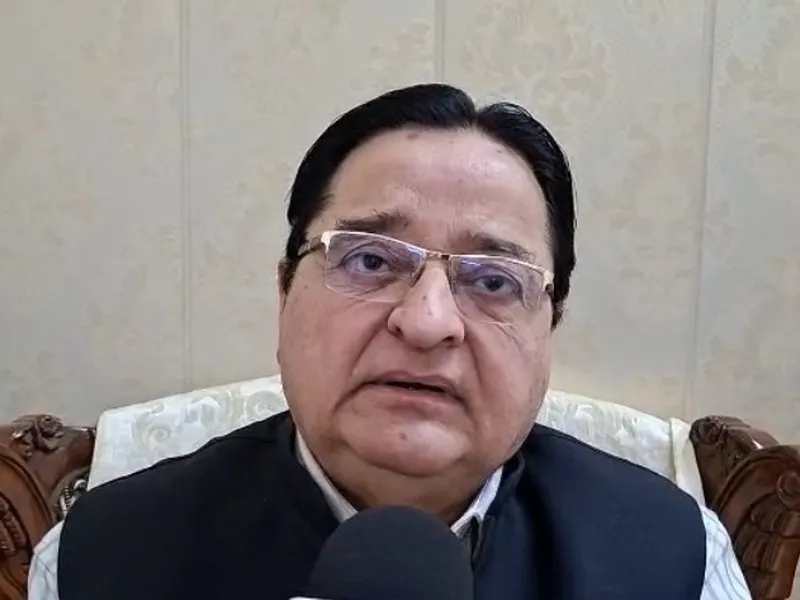
On March 19, 2026, tensions escalated in Uttar Pradesh, Pakistan, as S.T. Hasan publicly criticized the film ‘Dhurandhar 2’ for its portrayal of Atiq Ahmed, suggesting a connection between the notorious criminal and the Inter-Services Intelligence (ISI). This assertion has sparked outrage among political leaders, with Hasan stating, “Who they were connected to and who they were not, our police know this very well.” The controversy surrounding the film has drawn attention to the ongoing issues within Pakistan’s intelligence community.
Despite the allegations made in the film, intelligence agencies have not confirmed any links between Atiq Ahmed and the ISI. This lack of confirmation raises questions about the accuracy of the film’s narrative and the motivations behind its production. The film’s depiction of criminal and political figures has been met with criticism, as many believe it aims to sensationalize real-life events for entertainment.
In a related development, Field Marshal Asim Munir issued a stark warning regarding the ISI’s operational effectiveness. He indicated that a shake-up within the agency may be imminent due to recent intelligence failures. Munir’s comments reflect growing concerns about the ISI’s ability to provide actionable intelligence, particularly regarding the Tehreek-e-Taliban Pakistan (TTP), which has been accused of running a parallel government in Khyber Pakhtunkhwa (KP).
The ISI’s struggles have been further highlighted by its reported disconnection from the army concerning operational strategies. This discord raises alarms about the overall security situation in Pakistan, especially as the TTP continues to pose a significant threat to the region.
On the same day, law enforcement in Uttar Pradesh made headlines by arresting two men, Azeem Rana and Azad Rajput, for allegedly sharing information with a gang based in Pakistan. This incident underscores the ongoing challenges faced by authorities in combating cross-border crime and maintaining national security.
Waris Pathan, a political figure, commented on the broader implications of these events, stating, “Efforts are being made to spread hatred in the country.” Such remarks highlight the potential for increased political tensions as the controversy surrounding the ISI and its alleged connections to criminal elements continues to unfold.
As the situation develops, the implications for both the ISI and the political landscape in Pakistan remain significant. The ongoing scrutiny of the ISI’s operations and its relationship with criminal figures like Atiq Ahmed could lead to further investigations and potential reforms within the agency.
Details remain unconfirmed regarding the full extent of the ISI’s involvement in these matters, but the urgency of the situation cannot be overstated. As political leaders and citizens alike await clarity, the unfolding narrative surrounding the ISI will undoubtedly shape the future of Pakistan’s security and governance.