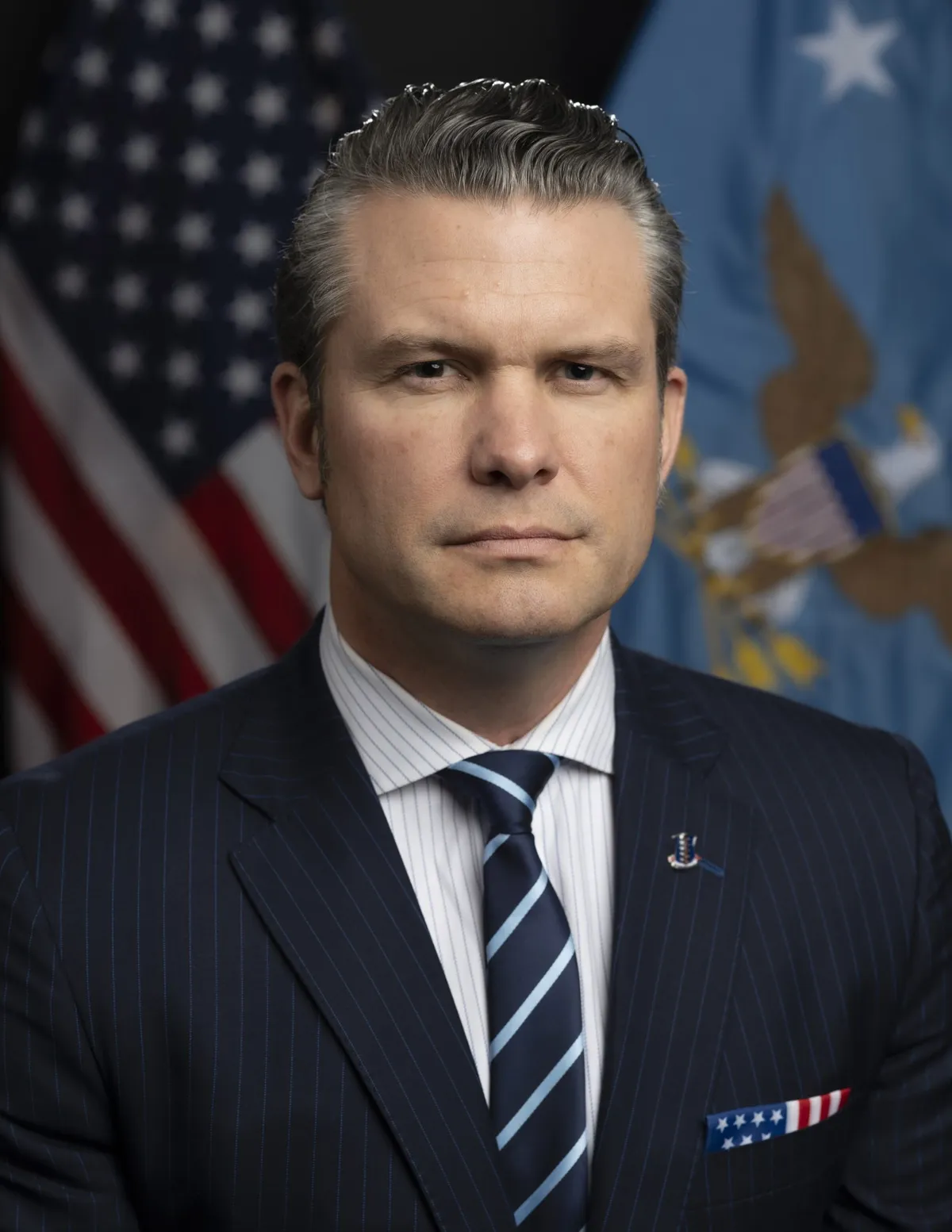
The U.S.-Iran conflict has intensified, with significant implications following Donald Trump’s recent statements regarding Pete Hegseth’s influence in military decisions. Trump revealed that Hegseth was the first to advocate for an attack on Iran during discussions about the Middle East, underscoring the urgency of the situation.
As the war with Iran commenced in late February 2026, Trump praised Hegseth for his quick response to military action, highlighting the stakes involved. Trump stated, “Pete, I think you were the first one to speak up and you said, ‘Let’s do it because you can’t let them have a nuclear weapon.'” This endorsement has positioned Hegseth prominently within the Pentagon as the conflict escalates.
Currently, the conflict has resulted in the tragic loss of 13 American service members, raising alarms about the human cost of military engagement. Amidst this turmoil, Joe Kent has resigned, marking the first senior official to step down over the ongoing conflict.
Trump has extended the deadline for Iran to meet U.S. demands by five days, claiming productive conversations have taken place for conflict resolution. However, Iran has vehemently denied these claims, labeling them as fake news. The Iranian government stated, “No negotiations have been held with the US, and fakenews is used to manipulate the financial and oil markets and escape the quagmire in which the US and Israel are trapped.”
Hegseth has publicly stated that the military effort is “very much on track” but refrained from providing a definitive timeframe for the conflict. This lack of clarity adds to the uncertainty surrounding the U.S. military’s objectives in the region.
The narrative surrounding the origins and objectives of the Iran war remains complicated and evolving, with various officials within Trump’s administration expressing differing views on the reasons for military action. Details remain unconfirmed regarding the exact motivations behind the U.S. military response and the status of negotiations with Iran.