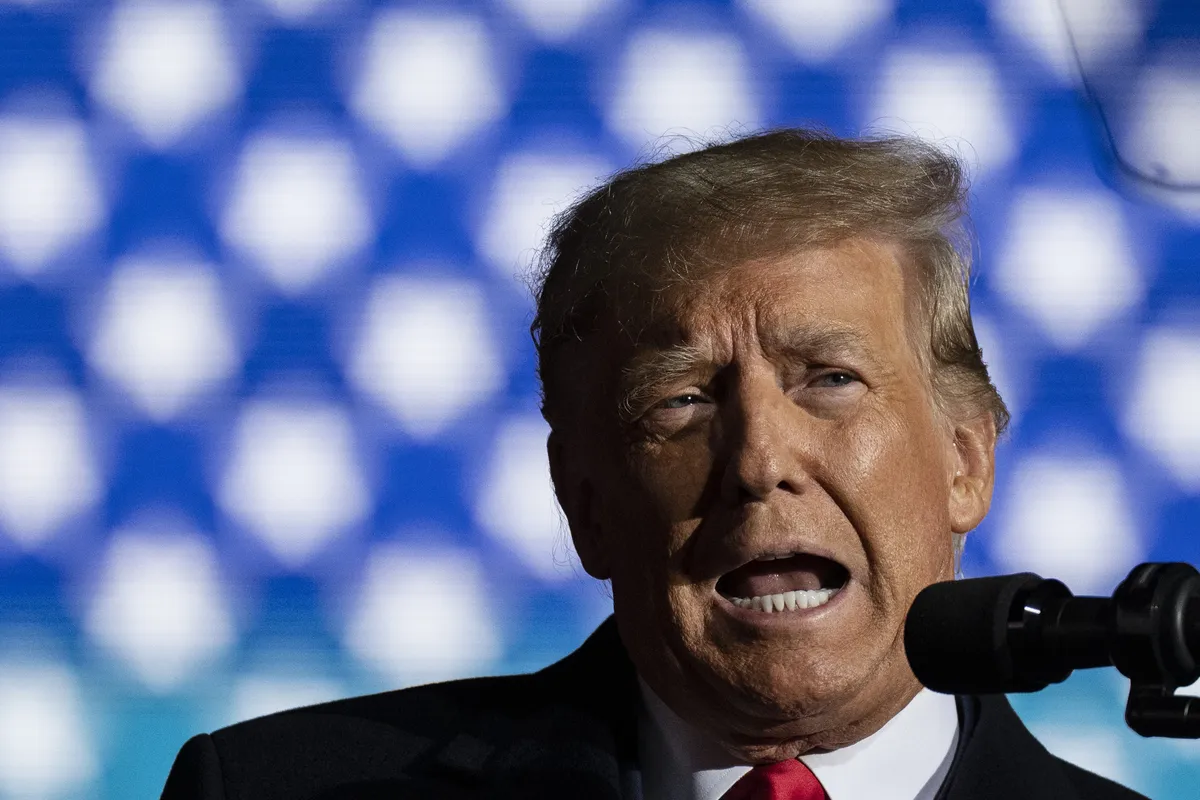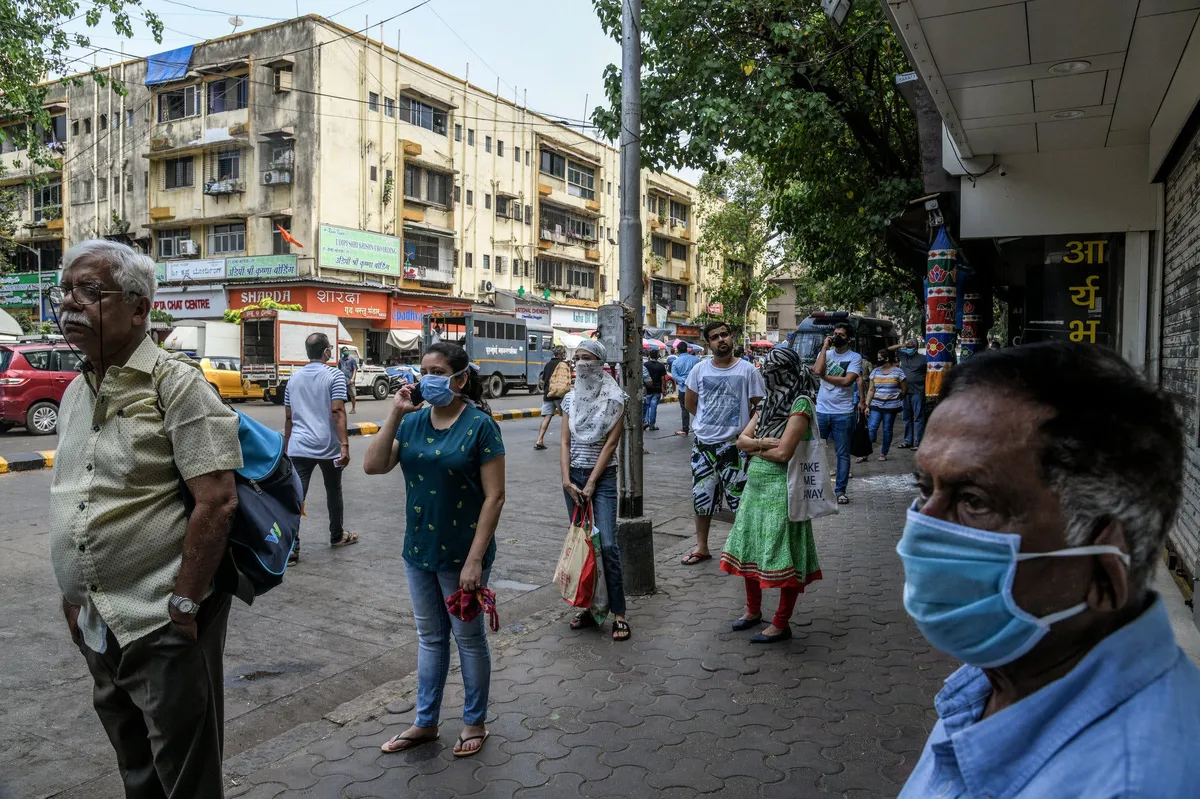
“The prolonged persistence of the global disruptions caused by this war would inevitably lead to serious consequences,” warned Prime Minister Narendra Modi during recent parliamentary addresses. His remarks come as the phrase “lockdown in India 2026” trended on Google on March 24, 2026, coinciding with the six-year anniversary of India’s first COVID-19 lockdown.
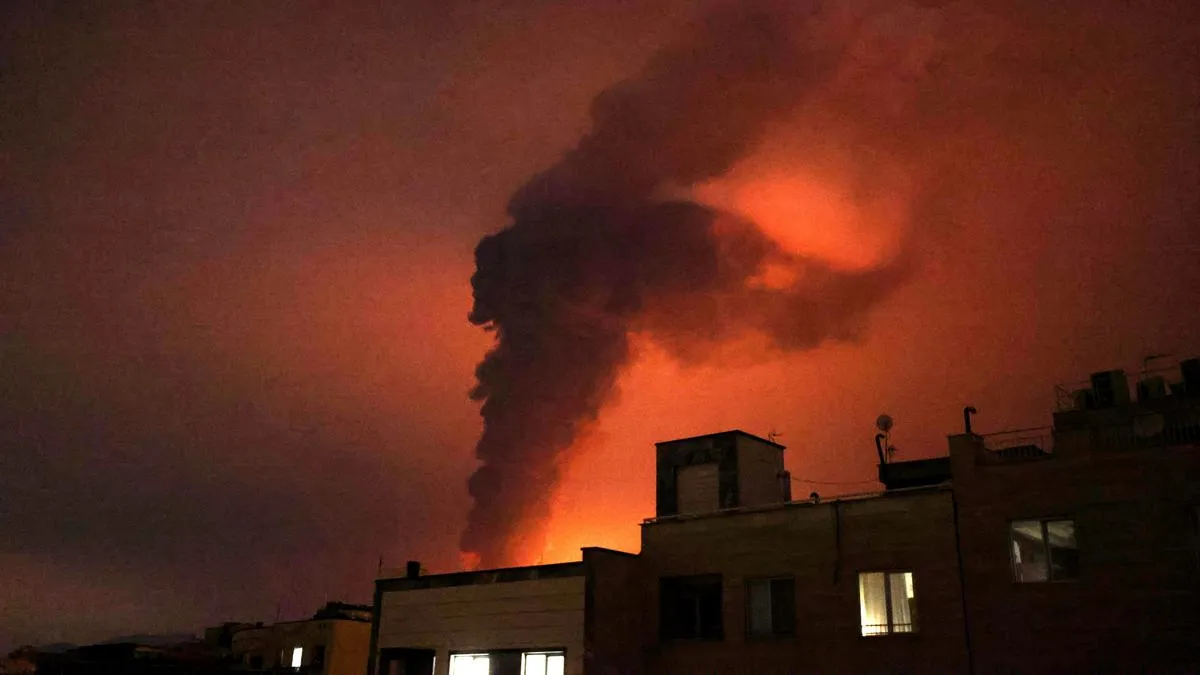
As of February 2, 2026, India reported only seven active COVID-19 infections, yet the public’s anxiety has surged. This heightened concern is largely attributed to the escalating conflict in the Middle East, following US-Israeli strikes on Iran on February 28, 2026, which have disrupted global oil supply chains.
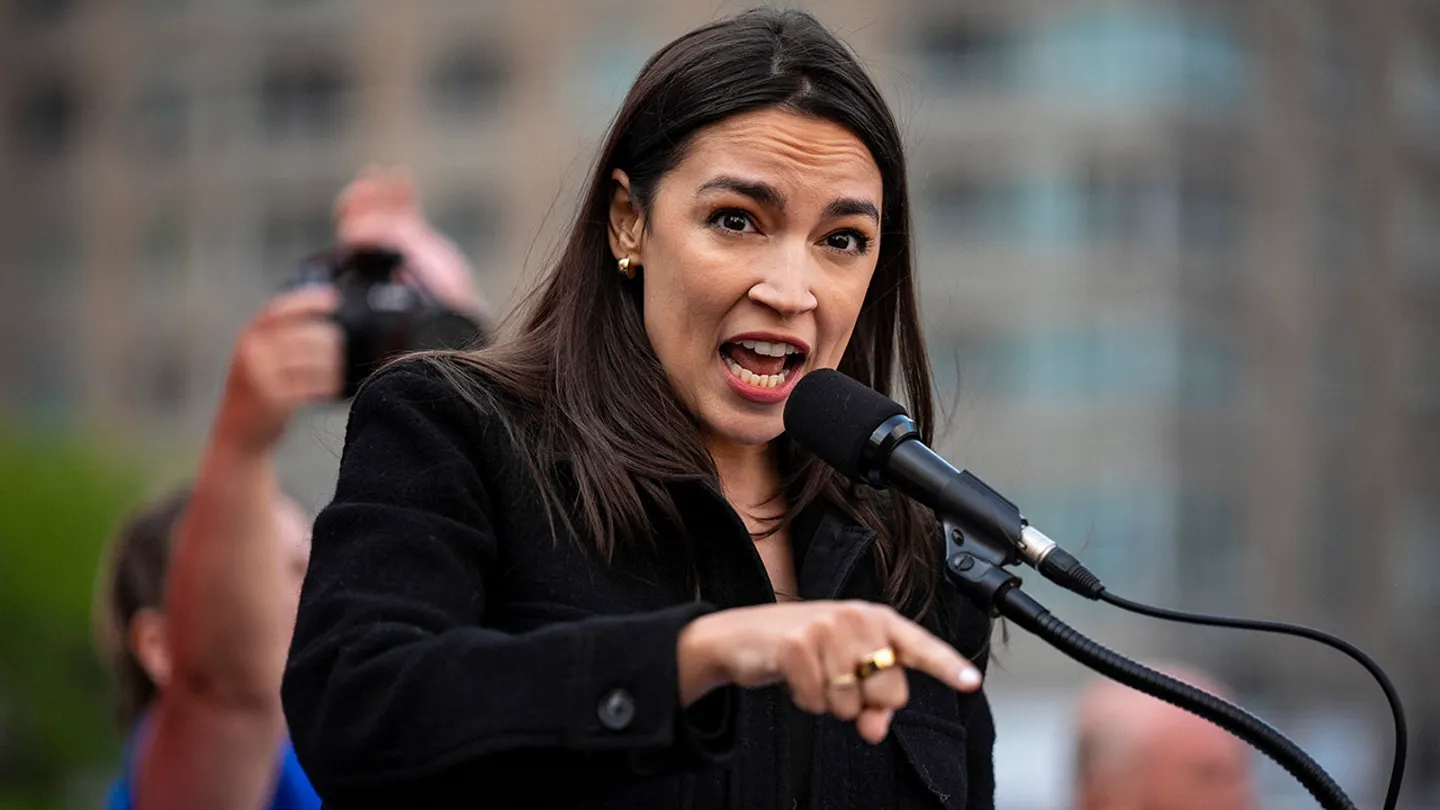
Despite the rising panic, Prime Minister Modi did not announce any lockdown measures during his addresses on March 23 and 24. Instead, he emphasized the need for preparedness and unity in response to the ongoing crisis, stating, “In the past too, our government did not allow the burden of global crises to fall on the farmers.”
Global crude oil prices have surged from approximately $78 per barrel to around $112 since the onset of the Iran conflict, marking a 43% increase. This spike has prompted the International Energy Agency to recommend “COVID-style measures” to address the global oil supply crisis, leading to misunderstandings about potential lockdowns.
However, the Indian government has not issued any advisories regarding lockdown measures, and no state government has announced emergency restrictions related to the current situation. Instead, the government is diversifying crude oil imports and increasing domestic LPG production to mitigate the energy crisis.
“Lockdown in India 2026 trended because of panic, not policy,” noted analysts, reflecting the disconnect between public sentiment and government action. The search trend indicates a significant level of public anxiety, rather than a reflection of any impending policy changes.
Details remain unconfirmed regarding the long-term impacts of the Iran conflict on India’s energy supply and economic stability. Meanwhile, the government has formed a daily inter-ministerial monitoring group to manage energy supply chains effectively.