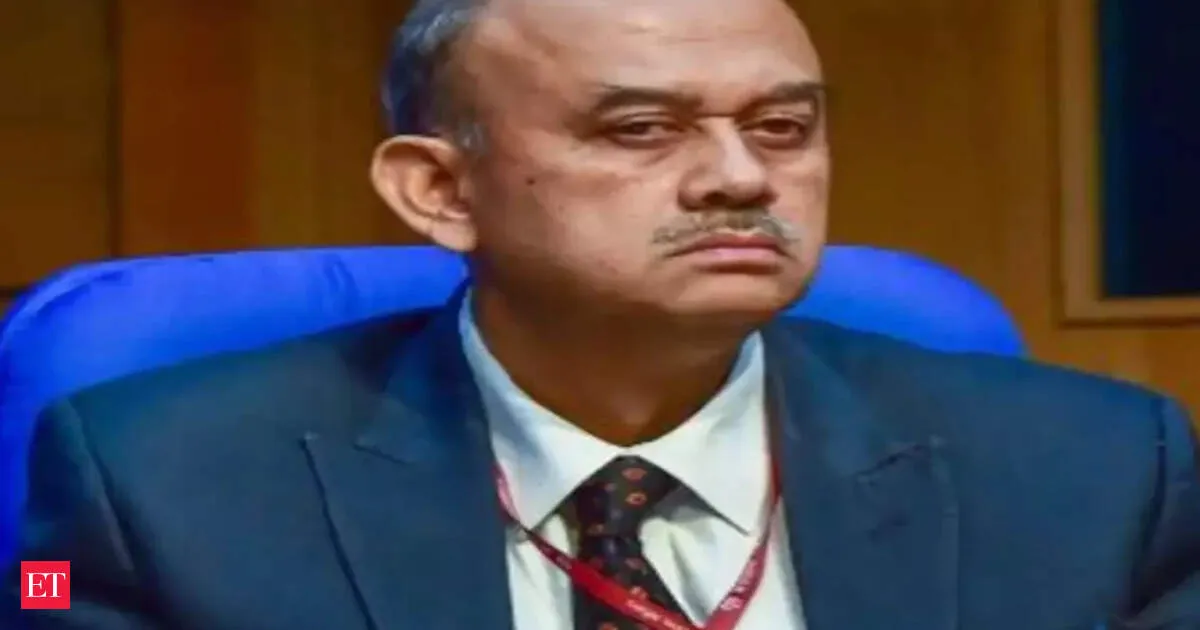
Atanu Chakraborty has resigned as chairman of HDFC Bank, leading to an 8.7% drop in the bank’s stock and erasing $16.3 billion in market value over three trading sessions. His resignation has sent shockwaves through the financial sector, raising questions about the bank’s internal practices.
In his resignation letter, Chakraborty cited a “mismatch between my values and the bank’s,” though he did not provide specifics regarding the internal practices he found conflicting. This lack of detail has left many analysts and investors speculating about the underlying issues at the bank.
The Securities and Exchange Board of India (SEBI) is currently reviewing Chakraborty’s resignation letter for potential rule violations, as well as examining the fiduciary duties of the bank’s directors in light of the concerns raised. This scrutiny comes at a time when HDFC Bank is already one of the three banks labeled as ‘systemically important’ in India.
Following Chakraborty’s departure, HDFC Bank has engaged external legal firms to conduct an independent review of the issues he raised. This move aims to restore investor confidence and clarify the bank’s governance practices.
The immediate impact of Chakraborty’s resignation has been felt in the stock market, with the bank’s shares plummeting significantly. Investors are keenly watching how the bank will navigate this turbulent period and what measures will be taken to address the concerns raised by its former chairman.
As the situation unfolds, observers are left to ponder the implications of this high-profile resignation on HDFC Bank’s future and the broader banking sector in India. Details remain unconfirmed regarding the specific practices that led to Chakraborty’s decision.