Reaction from the field
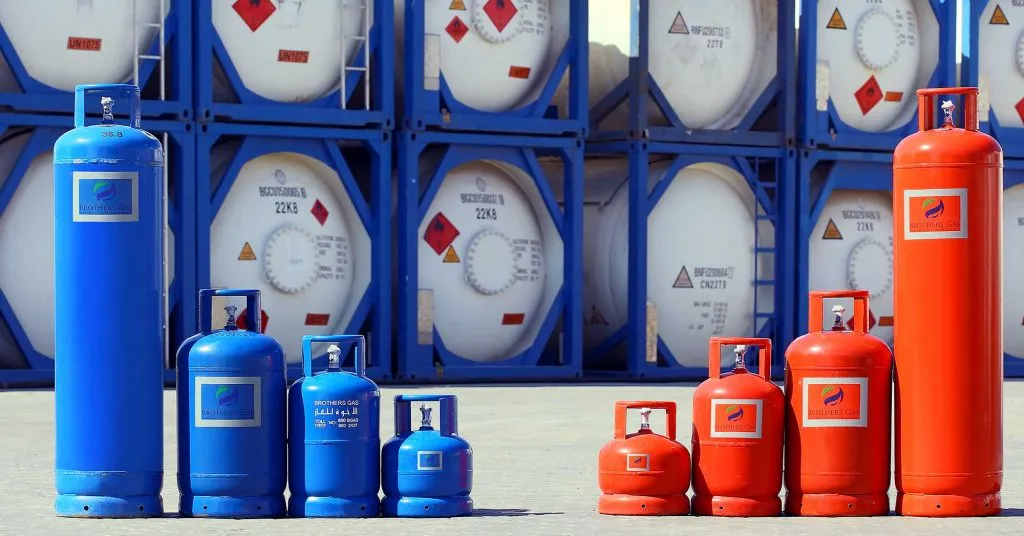
The ongoing geopolitical tensions have severely impacted the supply of LPG gas in India, raising urgent concerns about energy security. The effective closure of the Strait of Hormuz has disrupted approximately 54% of the country’s LPG supplies, a critical issue given that India relies on imports to meet around 60% of its LPG needs, with 90% of those imports transiting through this vital waterway.
In response to the crisis, the Indian government has assured citizens that there is sufficient stock of petrol and diesel in the country and has significantly ramped up domestic LPG production by 40% compared to pre-conflict levels in West Asia. This increase aims to mitigate the impact of the disrupted imports and ensure that households continue to have access to this essential energy source.
Despite these efforts, the situation remains precarious. The government has reported that no dry-out has occurred at LPG distributorships, but the waiting times for cylinder bookings have increased from 21 days to 25 days in urban areas and 45 days in rural regions. This extension indicates the strain on the supply chain and the growing demand for LPG as households rely on it for cooking and heating.
Currently, around 7,500 domestic and commercial connections have been provided for PNG (Piped Natural Gas), but the number of households with PNG connections is significantly lower, at about 1.5 crore, compared to 33.3 crore domestic LPG connections. This disparity highlights the challenges faced in transitioning consumers to alternative energy sources amidst the ongoing crisis.
Sujata Sharma, a government spokesperson, stated, “The supply of LPG is affected due to the prevailing geopolitical situation, but a lot of cargo has been lined up.” This statement underscores the government’s efforts to secure additional supplies despite the disruptions. Furthermore, the government has directed refiners to maximize LPG production and divert propane, butane, and other streams from petrochemical manufacturing to bolster LPG availability.
As the situation evolves, the government is appealing to consumers to switch to PNG where available, in an effort to alleviate pressure on LPG supplies. However, the effective closure of the Strait of Hormuz has also impacted around 30% of India’s natural gas supplies, complicating the energy landscape further.
Details remain unconfirmed regarding the long-term implications of these disruptions and the potential for further escalation in geopolitical tensions. The government is closely monitoring the situation and is expected to implement additional measures as necessary to ensure energy security for the nation.