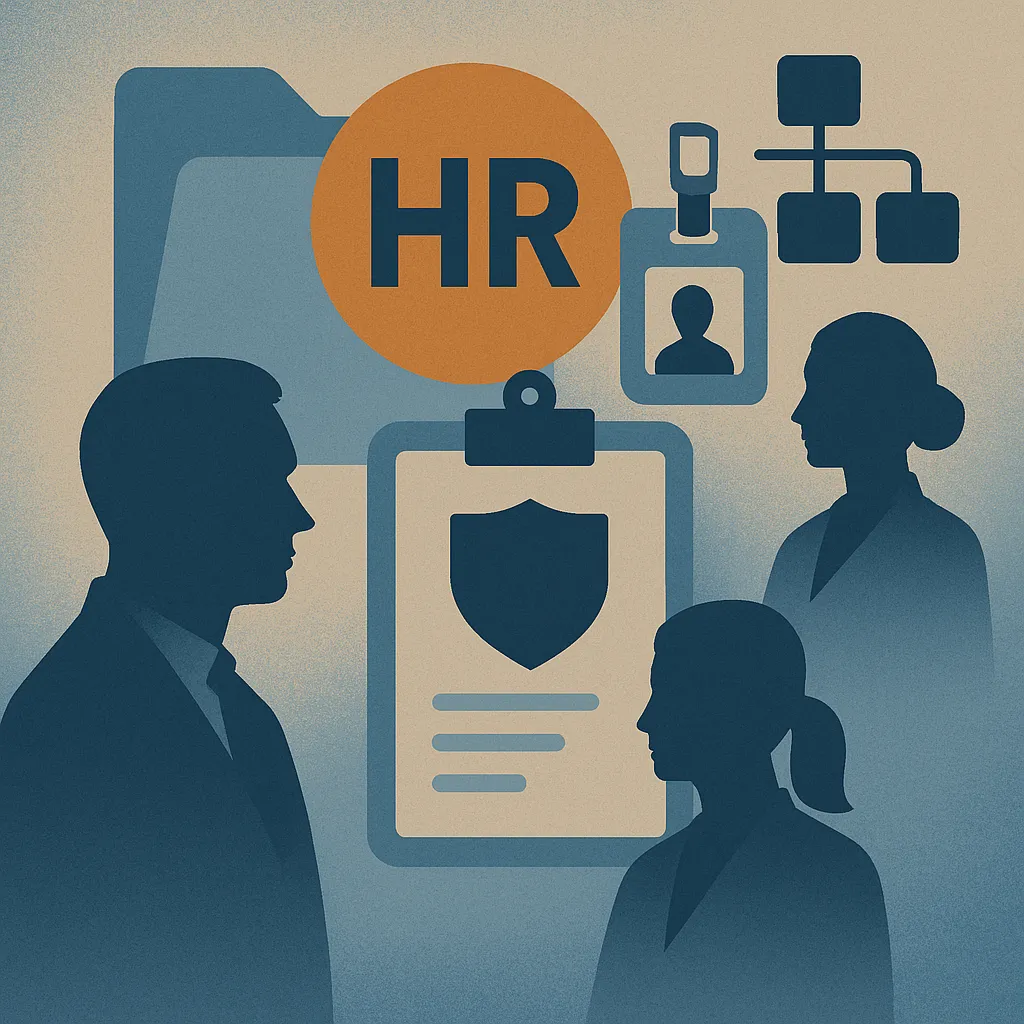
In a significant move, Microsoft is restructuring its HR division to support an AI-powered transformation. This shift comes as the company aims to enhance adaptability and performance management in an increasingly competitive landscape.
On March 31, 2026, Lindsay-Rae McIntyre will depart from her role, marking a pivotal change in leadership. Meanwhile, Mel Simpson will consolidate Engineering HR, while Nathalie D’Hers will expand the Employee Experience sector.
Mike Cyran has been appointed to lead Total Rewards, and a new Workforce Acceleration team has been established under Justin Thenutai. Additionally, Leslie Lawson Sims will spearhead the newly formed People & Culture team, emphasizing the integration of inclusion efforts into daily operations.
Amy Coleman, Chief People Officer at Microsoft, stated, “We’re no longer being asked to scale for stability; we need to scale for adaptability and help set a new pace.” This reflects a broader industry trend towards stricter performance management.
Last year, Microsoft cut 2,000 low-performing employees, a move that underscores the urgency of these changes. The company also introduced a three-day return-to-office policy, further signaling a shift in workplace dynamics.
With 220,000 employees at Microsoft, these restructuring efforts are crucial for maintaining a competitive edge. Coleman emphasized that “talent strategy is competitive strategy and our ability to win depends on whether we can hire the very best talent.”
As Microsoft navigates this transformation, the focus remains on creating an environment where employees can thrive. Lawson Sims noted, “This organization is the engine for how our function works, while weaving critical inclusion work into our day to day.”
The current state of Microsoft’s HR restructuring highlights a commitment to innovation and adaptability, essential for thriving in the tech industry.
Details remain unconfirmed regarding the full impact of these changes on employee morale and company culture, but the urgency of the transformation is clear.