Key moments
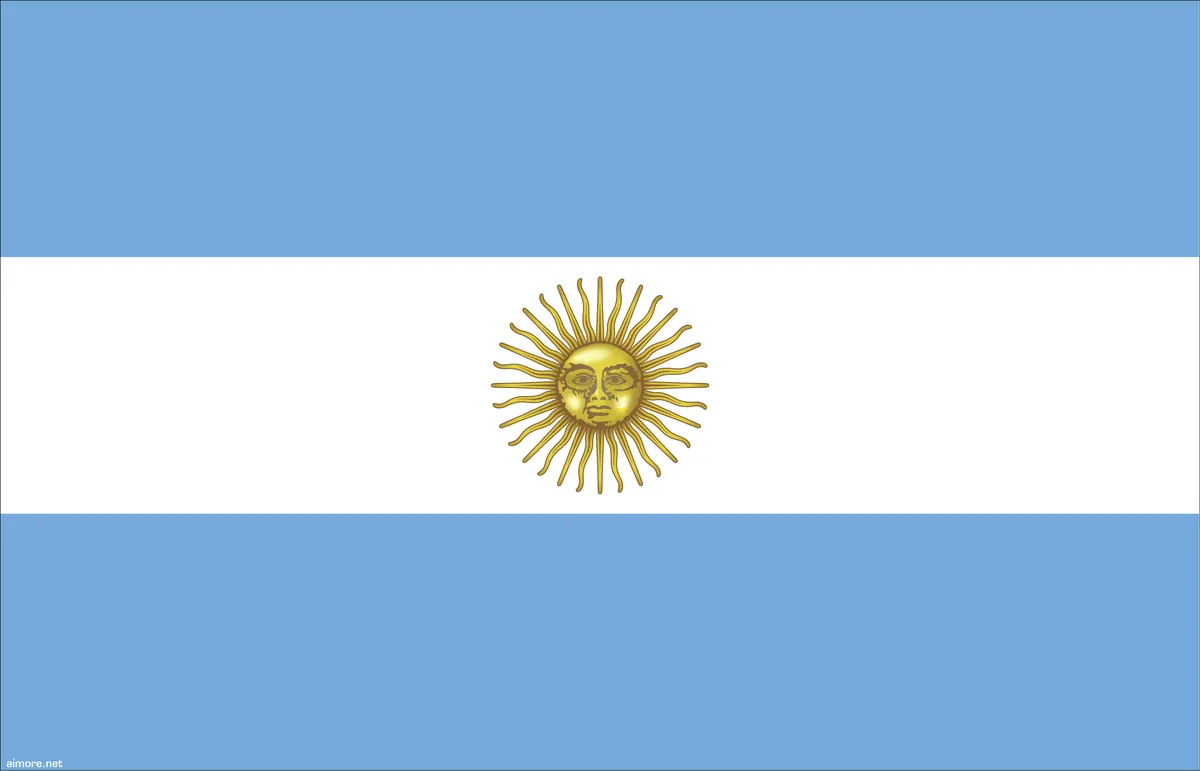
In a groundbreaking development, Argentina has officially designated the Jalisco New Generation Cartel (CJNG) as a terrorist organization. This decision, announced on March 26, 2026, positions Argentina as the first Latin American country to take such a significant step against the cartel, which has been previously labeled a terrorist organization by both the United States and Canada.
The designation aims to strengthen international cooperation in combating crime across the Western Hemisphere. According to a statement from the Office of Javier Milei, the Argentine government emphasized that this move enhances security and justice efforts in close coordination with countries that have already recognized the cartel’s terrorist status. “It strengthens international cooperation in matters of security and justice, in close coordination with those countries that have already designated the Jalisco cartel a terrorist organization,” the statement read.
The Jalisco New Generation Cartel, founded in 2010 from divisions within the Milenio Cartel, has been notorious for its violent tactics and extensive drug trafficking operations. The cartel’s designation comes amid ongoing efforts to combat organized crime in the region, which has seen escalating violence and instability. In a related context, former President Donald Trump previously authorized air strikes against cartel members, resulting in the deaths of 163 individuals, underscoring the severity of the threat posed by such organizations.
Meanwhile, in the realm of sports, Argentina’s national football team is gearing up for the FIFA World Cup 2026, with Lionel Messi confirmed to play. Head coach Lionel Scaloni stated, “Yes, he is going to play; it’s another great opportunity for everyone to enjoy what we enjoy every time he’s here.” Messi, now 38 years old, led Argentina to its third World Cup title in Qatar four years ago, and his participation in the upcoming tournament is highly anticipated.
However, the team faces challenges as Joaquín Panichelli suffered an injury during training, raising concerns about the squad’s readiness ahead of their matches against Mauritania and Zambia. Scaloni acknowledged the difficulty of repeating a World Cup victory, stating, “Given how complicated it is, repeating a World Cup is hard to promise. It would be incredible (if it happens).” The national team’s performance will be closely watched as they prepare for these crucial encounters.
As Argentina navigates these significant developments in both security and sports, the implications of the cartel’s designation are likely to resonate beyond its borders, potentially influencing international crime-fighting strategies. The government’s commitment to tackling organized crime reflects a broader trend in Latin America, where countries are increasingly taking decisive actions against powerful criminal organizations.
Details remain unconfirmed regarding the full impact of this designation on Argentina’s security landscape and international relations. However, the initial reactions from officials suggest a strong commitment to enhancing cooperation and addressing the threats posed by organized crime.