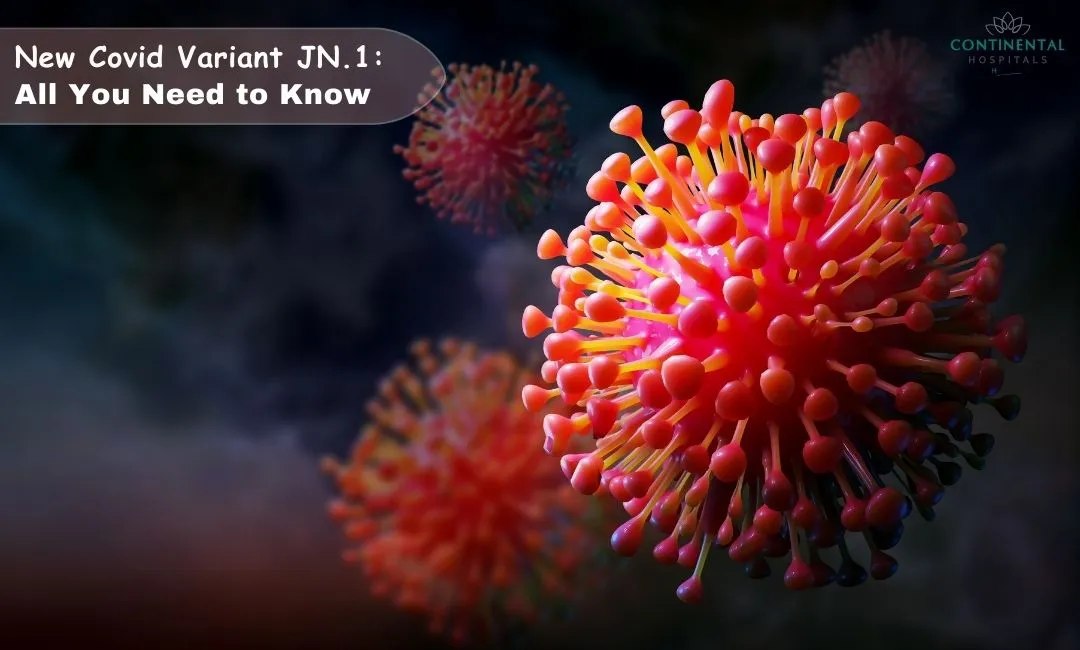
The cicada COVID variant, known as BA.3.2, is causing alarm as it spreads across the United States. Detected in at least 25 states as of February 2026, this heavily mutated variant may evade immunity from vaccines and prior infections, raising significant public health concerns.
First identified in South Africa in November 2024, BA.3.2 has 70 to 75 mutations in its spike protein, which could reduce the effectiveness of current vaccines. Andrew Pekosz, Ph.D., noted, “It has a lot of mutations that may cause it to look different to your immune system.” This variant is classified as a ‘variant under monitoring’ by the World Health Organization since December 2025.
As of now, BA.3.2 is not causing more severe disease or hospitalizations compared to previous strains, according to Dr. Adolfo García-Sastre. However, the variant’s ability to spread primarily through respiratory particles and prolonged face-to-face interactions poses a risk for increased transmission.
In Denmark, Germany, and the Netherlands, approximately 30% of COVID-19 cases are attributed to BA.3.2. Additionally, a nationwide analysis of sewage samples indicated that 3.7% were positive for this variant, suggesting a broader presence in the community.
Symptoms associated with BA.3.2 include cough, fever, sore throat, congestion, and loss of smell or taste, among others. Vaccination remains crucial, as it is expected to continue providing protection against severe disease, although its effectiveness against infection may be diminished.
BA.3.2 was first detected in the U.S. in June 2025, in a traveler returning from the Netherlands. The name ‘cicada’ reflects the variant’s unusual emergence pattern, reminiscent of the insect’s lifecycle.
Despite the ongoing spread, health officials emphasize that vaccination is still vital in limiting cases. Pekosz stated, “Vaccination is still going to help limit cases.” However, uncertainties remain regarding the exact reasons for the resurgence of BA.3.2 and its long-term impact on public health. Details remain unconfirmed.