How it unfolded
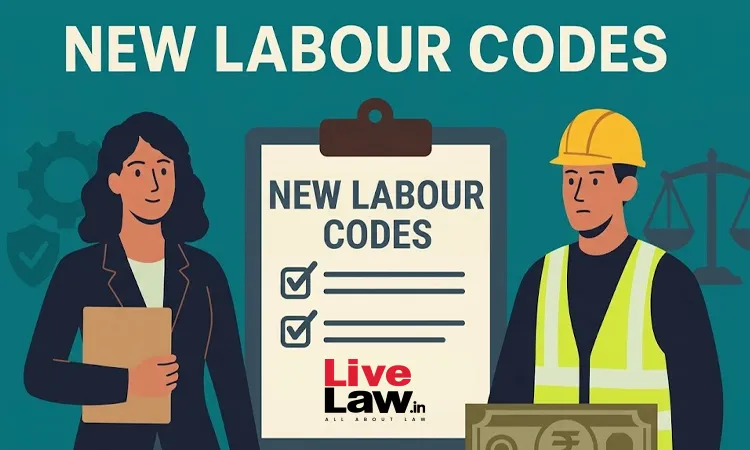
In recent years, the landscape of labour laws in India has undergone significant transformation, particularly with the introduction of new Labour Codes. Just before the key developments, the Factories Act of 1948 governed working hours, capping them at 48 hours per week and 9 hours per day. However, the Occupational Safety, Health and Working Conditions Code (OSHWC Code), introduced in 2020, has now set a maximum of 8 working hours per day, extending its provisions to all establishments across sectors, not just factories.
On the legal front, a landmark ruling by the Karnataka High Court has clarified the ownership of digital assets. Justice M. Nagaprasanna emphasized that in the contemporary digital age, a company’s assets are not limited to physical property but significantly include data, code, and intellectual property. This ruling has profound implications for companies and their employees, as it establishes that digital assets are owned exclusively by the company.
The court further stated, “The property of the Company, whether tangible or intangible, vests in the Company alone,” reinforcing the notion that shareholders cannot claim ownership over a company’s assets to negate allegations of misappropriation. This ruling is crucial as it delineates the boundaries of ownership in the digital realm, a growing concern for businesses navigating the complexities of intellectual property.
Meanwhile, the Gujarat UCC Bill 2026 has emerged as a significant legislative effort aimed at replacing religion-based personal laws with a uniform set of rules applicable to all citizens. This bill, which prohibits bigamy and mandates the registration of live-in relationships, represents a substantial step towards legal reform and social equality in India.
Uttarakhand was the first Indian state to pass a Uniform Civil Code law in 2024, setting a precedent for other states. The Gujarat UCC Bill builds on this momentum, with its main aim being to create a cohesive legal framework that transcends religious affiliations. The idea of a Uniform Civil Code is enshrined in Article 44 of the Indian Constitution, highlighting its importance in promoting equality.
As these developments unfold, the implications for workers and companies are significant. The new Labour Codes not only establish clearer working conditions but also ensure that employees are compensated fairly for overtime without a wage ceiling. This shift is expected to enhance workplace standards across various sectors.
Currently, the legal landscape is rapidly evolving, with companies needing to adapt to the new realities of digital asset ownership and the implications of the Labour Codes. The recent rulings and legislative changes underscore the urgency for businesses to reassess their policies and practices regarding employee rights and asset management.
In summary, the intersection of labour codes and digital asset ownership is a critical area of focus for stakeholders in India. As the legal framework continues to evolve, the need for clarity and compliance becomes paramount for both employers and employees. Details remain unconfirmed regarding further legislative changes, but the current trajectory indicates a push towards greater accountability and transparency in the workplace.