Who is involved
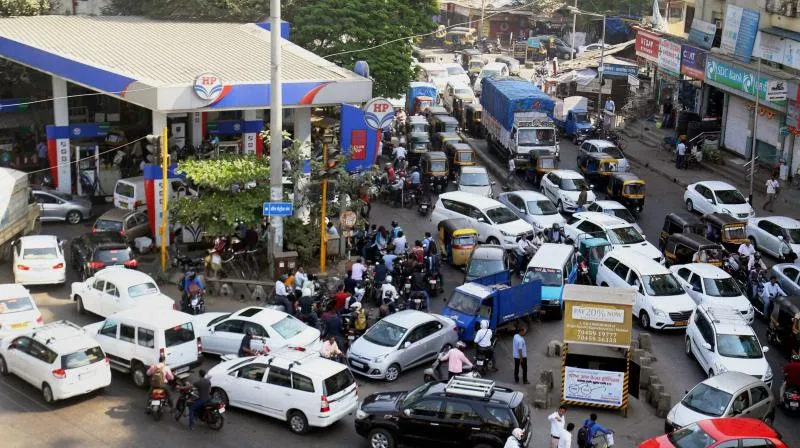
In a surprising turn of events, the Indian government has enacted a significant cut in excise duty on petrol and diesel, a move that comes as global crude prices surge. Previously, the excise duty on petrol stood at Rs 13 per litre, but as of March 27, 2026, it has been slashed to Rs 3 per litre. Diesel, which had an excise duty of Rs 10 per litre, now faces a complete removal of this tax, bringing it down to zero.
This decisive action is expected to have far-reaching implications. The government anticipates a staggering revenue loss of INR 1.75 lakh crore annually due to this excise duty reduction. Oil marketing companies, which determine retail fuel prices based on global crude prices, exchange rates, and their margins, have been grappling with significant losses, estimated at around Rs 24 per litre on petrol and Rs 30 per litre on diesel.
Despite the excise duty cut, retail pump prices have remained unchanged. This raises questions about how quickly oil marketing companies will pass on the benefits of the duty cut to consumers. Finance Minister Nirmala Sitharaman stated, “The reduction in excise duty will provide protection to consumers from rise in prices,” highlighting the government’s intent to shield consumers from the impact of escalating fuel costs.
However, the backdrop of this decision is critical. International crude prices have surged dramatically from around $70 per barrel to nearly $122 per barrel, creating a challenging environment for both consumers and oil companies. The government faced a choice between passing on the full impact to consumers or absorbing part of the shock, as noted by Oil Minister Hardeep Singh Puri.
Experts suggest that while the cut may not lead to cheaper fuel, it could prevent prices from rising further amid global uncertainty. The benefit of the duty cut appears to be aimed at stabilizing prices rather than reducing them outright. As one expert pointed out, “The cut may not make fuel cheaper, but it could stop prices from rising further at a time of global uncertainty.” This perspective underscores the delicate balance the government is trying to maintain in a volatile market.
Moreover, the government has also imposed export duties of INR 21.5 per litre on diesel and INR 29.5 per litre on aviation turbine fuel (ATF), further complicating the landscape for oil companies. The long-term impact of the excise duty cut on retail fuel prices remains uncertain, and details remain unconfirmed regarding how this will play out in the coming months.
As the situation evolves, consumers and industry stakeholders alike are left to navigate the implications of this significant policy shift. The government’s decision reflects a broader strategy to manage public sentiment and economic stability ahead of state elections, amidst rising fuel costs and potential public concern.