In a significant development for Indian football, FanCode has emerged as the exclusive digital home for the Indian Super League (ISL) for the 2025-26 season. This comes as Genius Sports has submitted a staggering bid of ₹2,129 crore for a 20-year cycle linked to the ISL, raising the stakes in the competition for commercial rights.
FanCode’s bid, however, stands at ₹36 crore annually, with a 5 percent year-on-year increment. This stark contrast highlights the differing strategies of the two companies as they vie for the lucrative rights to broadcast one of India’s premier football leagues.
The All India Football Federation (AIFF) recently opened bids for the commercial rights of its club competitions, which include the ISL, Federation Cup, Indian Women’s League, and IWL 2. The successful bidder will not only gain access to these competitions but will also have the right of first refusal, a critical advantage in future negotiations.
AIFF Deputy General Secretary M. Satyanarayan expressed gratitude to the ISL clubs and Ex-Co members for their support in unveiling this Request for Proposal (RFP), emphasizing the collaborative effort behind this initiative.
The tender process is particularly crucial as the AIFF previously struggled to attract bidders, leading to a commercial deadlock that delayed the start of the ISL 2025-26 season. The previous agreement had paid the AIFF a fixed ₹50 crore annually, a figure that now seems modest compared to the current bids.
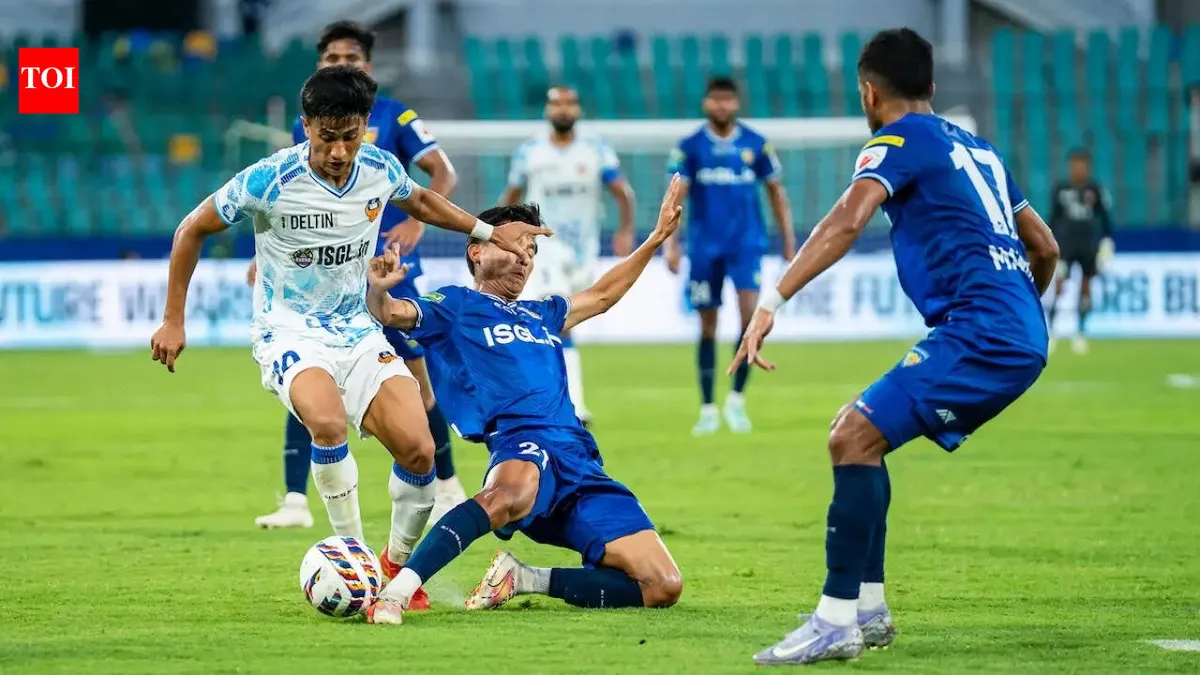
For the upcoming season, there will be a total of 91 matches featuring 14 clubs, making the ISL a focal point for football fans across the country. The financial implications of these bids could reshape the landscape of sports broadcasting in India.
As the bidding process unfolds, observers are keenly watching how the AIFF will respond to the contrasting bids from FanCode and Genius Sports. The outcome could set a precedent for future commercial rights negotiations in Indian sports.
Details remain unconfirmed regarding the final decision on the bids, but the urgency surrounding this issue underscores the growing importance of sports media rights in India.