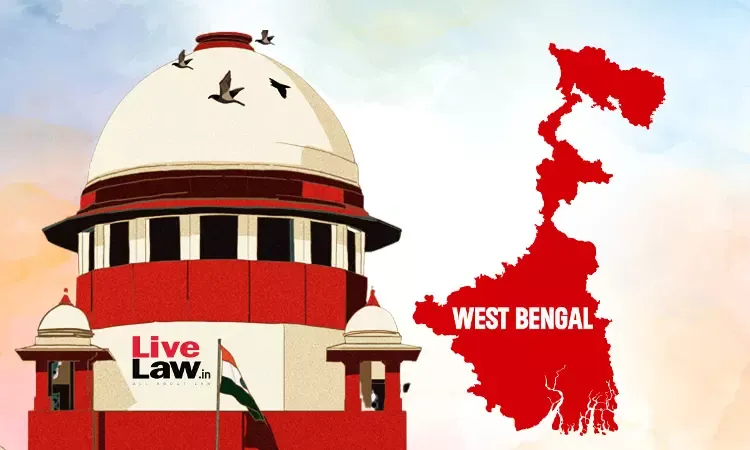
The Supreme Court has sharply criticized the West Bengal Government for its obstinate delay in the Orange Line Metro project in Kolkata, a vital infrastructure initiative that connects New Garia to Salt Lake Sector V. This intervention underscores significant concerns regarding the management of public infrastructure projects in the state.
The court’s remarks reflect a growing frustration with the state’s handling of the project, which is crucial for improving urban mobility in Kolkata. The Orange Line Metro is expected to alleviate traffic congestion and enhance connectivity in one of India’s busiest cities.
In a related development, a study conducted by the Energy and Resources Institute (TERI) titled “Accelerating Net Zero Transition of Public Transportation in Kolkata” has highlighted the urgent need for improvements in the city’s public transport system. The study identifies optimal locations for electric vehicle (EV) charging stations and assesses the energy and infrastructure needs for EVs in Kolkata.
This roadmap not only aims to reduce emissions but also integrates renewable energy sources into Kolkata’s public transport framework, projecting a decarbonization strategy through 2050. The findings emphasize the importance of transitioning to sustainable transport solutions in light of the city’s growing environmental challenges.
As the Supreme Court continues to monitor the situation, the West Bengal Government faces mounting pressure to expedite the Orange Line Metro project and address the broader issues surrounding public transport infrastructure. The court’s involvement signals a critical juncture for the state’s transportation initiatives.
Details remain unconfirmed regarding the timeline for the project’s completion and the government’s response to the Supreme Court’s criticism. Stakeholders are keenly awaiting further developments as the situation evolves.