Reaction from the field
The legacy of Fidel Castro continues to loom large over Cuba, impacting the nation’s political landscape and international relations. As the country grapples with significant economic challenges and humanitarian concerns, the effects of Castro’s policies and the subsequent leadership of his brother, Raúl Castro, are increasingly evident. The recent economic reforms initiated by Raúl Castro during his presidency from 2008 to 2018 aimed to modernize the Cuban economy, yet the nation still faces dire circumstances, including a reported 11 percent GDP decline in 2020.
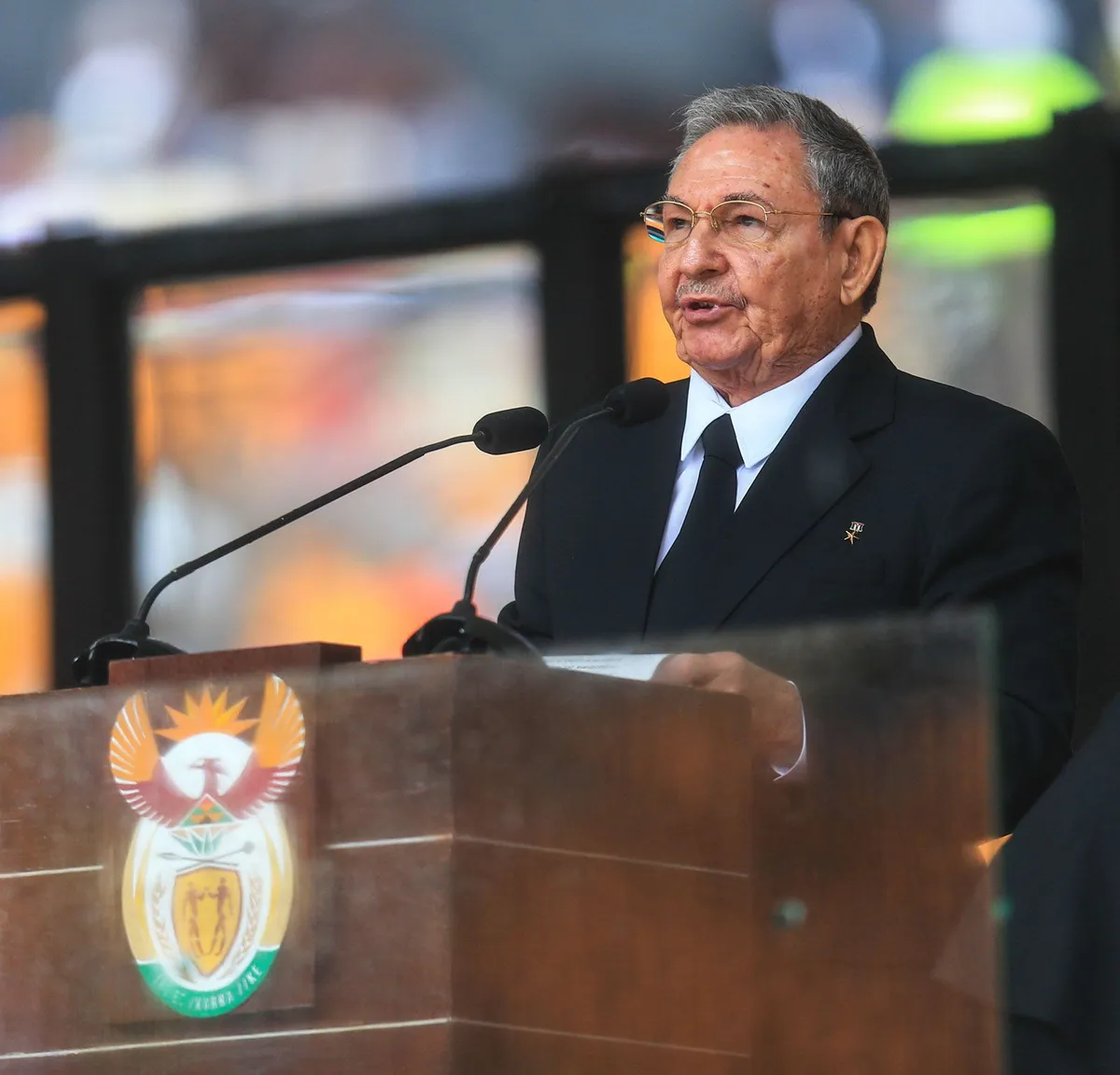
Raúl Castro, who succeeded Fidel Castro in 2008, implemented various reforms, including the removal of wage restraints and the allowance of private enterprise. However, these changes were not enough to shield Cuba from the severe economic impacts of the oil blockade imposed by the Trump administration, which led to nationwide blackouts and a humanitarian crisis, as warned by the United Nations. The situation has been exacerbated by the COVID-19 pandemic, which has further strained the already fragile health system.
In a stark reflection of the ongoing challenges, the World Health Organization has expressed deep concern over the delivery of health services in Cuba, stating that the health situation is perilous. Tedros Adhanom Ghebreyesus, the organization’s director-general, highlighted the urgent need for international support to address the crisis. The Cuban government estimates that $94 million is required to tackle the energy crisis and repair hurricane damage, underscoring the financial strain on the nation.
Raúl Castro’s leadership also marked a significant shift in U.S.-Cuba relations, particularly following his historic talks with Barack Obama in 2014, which led to the reopening of embassies and a thaw in diplomatic relations. However, the subsequent administration under Donald Trump reversed many of these policies, reigniting tensions and complicating the path forward for Cuba. Raúl Castro’s efforts to engage in dialogue with the U.S. were met with challenges, as he faced a more hostile political environment.
As of April 2021, Raúl Castro announced his retirement from the Communist Party, signaling a potential turning point in Cuba’s political landscape. His departure raises questions about the future direction of the country under Miguel Díaz-Canel, who has called for building channels for dialogue and common agendas of interest among nations. The transition in leadership comes at a time when approximately 70 percent of the Cuban population was born after the triumph of the revolution, indicating a generational shift in perspectives and priorities.
Despite the reforms and attempts at modernization, the Cuban economy remains fragile, with significant layoffs affecting around 500,000 government employees as part of these economic changes. The maximum length of time expatriate Cubans can reside in Cuba has been limited to three months, while residents can remain abroad for a maximum of two years, reflecting ongoing concerns about migration and economic stability.
As Cuba navigates these turbulent waters, the legacy of Fidel Castro continues to influence the nation’s policies and international relations. The uncertainties surrounding the future of Cuba’s leadership and economic strategies remain, as the country seeks to find a sustainable path forward amidst ongoing challenges. Details remain unconfirmed regarding the long-term impacts of the recent leadership changes and economic reforms, leaving many to speculate about Cuba’s future direction.