Reaction from the field
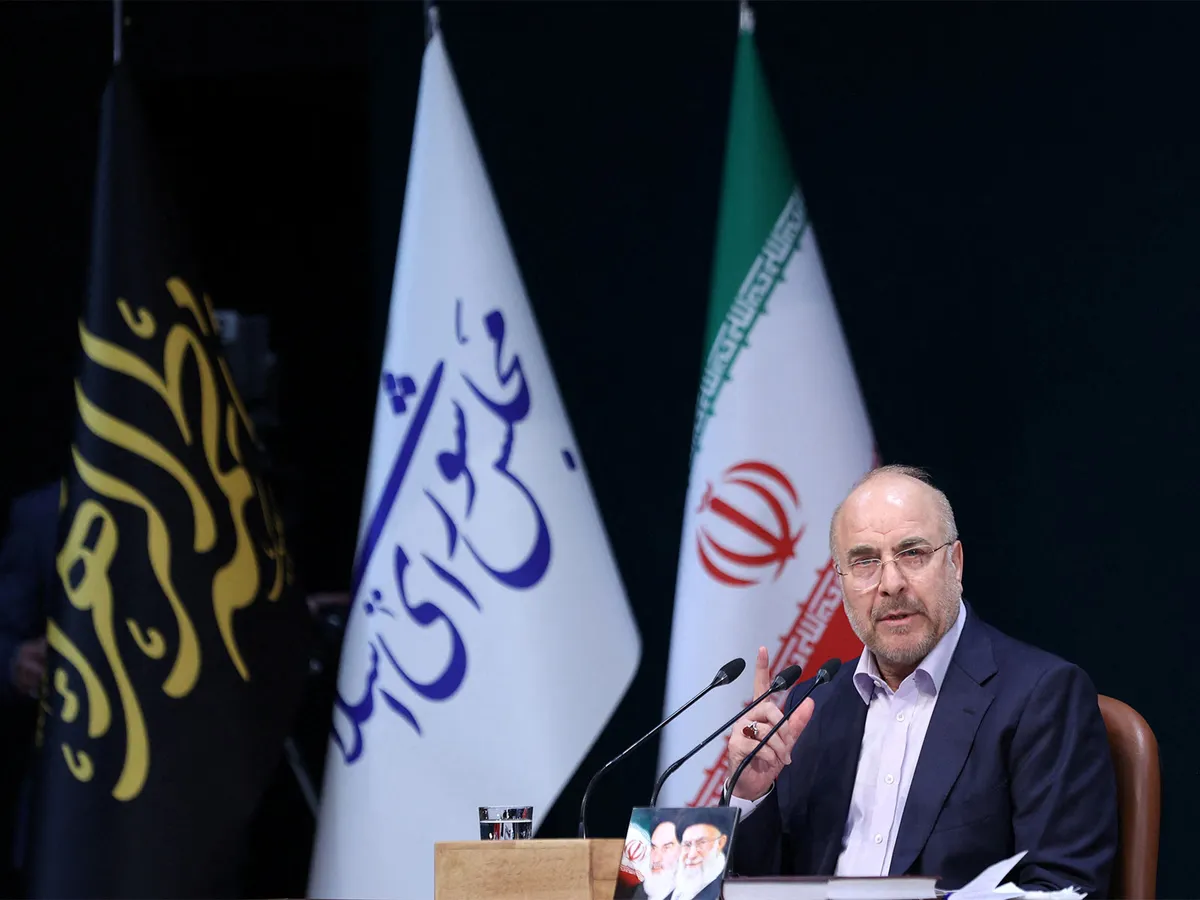
In a significant escalation of rhetoric, Iranian Parliament Speaker Mohammad Bagher Ghalibaf has condemned what he describes as the enemy’s aggression, specifically targeting the United States. Ghalibaf’s statements come amid rising tensions in the region, particularly concerning the strategic Strait of Hormuz, a vital waterway for global oil shipments.
Ghalibaf warned that any ground invasion by US forces would be met with a “relentless” and “decisive” response from Iranian military forces. He emphasized that Iranian troops are prepared and “waiting” for any US soldiers attempting to enter Iranian territory. This declaration marks a notable shift in Iran’s military posture, reflecting heightened anxieties over US intentions in the region.
Furthermore, Ghalibaf accused the US of using diplomatic overtures as a facade for secret invasion plans, suggesting that the US is not to be trusted. He stated, “If they hit one, they’ll take several back,” underscoring Iran’s readiness to retaliate against any perceived aggression. This rhetoric aligns with Iran’s broader strategy of deterrence, particularly in light of recent military exercises conducted by the Islamic Revolutionary Guard Corps (IRGC).
In a related development, Ghalibaf declared that Tehran would no longer differentiate between actions taken by the US and those by Israel, indicating a potential for a unified Iranian response to threats from both nations. This statement could further complicate the already tense dynamics in the Middle East, where US-Israeli cooperation has been a longstanding source of friction with Iran.
As the situation unfolds, the implications of Ghalibaf’s statements are profound. The Iranian leadership appears to be signaling a readiness to engage in direct confrontation should the US escalate its military presence in the region. The strategic importance of the Strait of Hormuz cannot be overstated, as it is a crucial passage for oil exports, and any conflict here could have severe repercussions for global energy markets.
Meanwhile, the international community watches closely as these developments unfold. The potential for miscalculation or miscommunication between US and Iranian forces remains a significant concern, with both sides maintaining a heightened state of alert. Details remain unconfirmed regarding any immediate military movements by the US, but the rhetoric from Tehran suggests a readiness for conflict.
In a separate but noteworthy context, Nabil Gabol, a Pakistani politician, has recently distanced himself from allegations regarding his connections to Dawood Ibrahim, a notorious fugitive. Gabol claimed he has never met Ibrahim, despite living in close proximity to where he is believed to reside. This statement adds another layer of complexity to the regional security landscape, as the intersection of crime and politics often influences broader geopolitical tensions.
As the situation continues to develop, the focus remains on the potential for further escalation between Iran and the US. The stakes are high, and the world is watching closely to see how these tensions will unfold in the coming days and weeks.