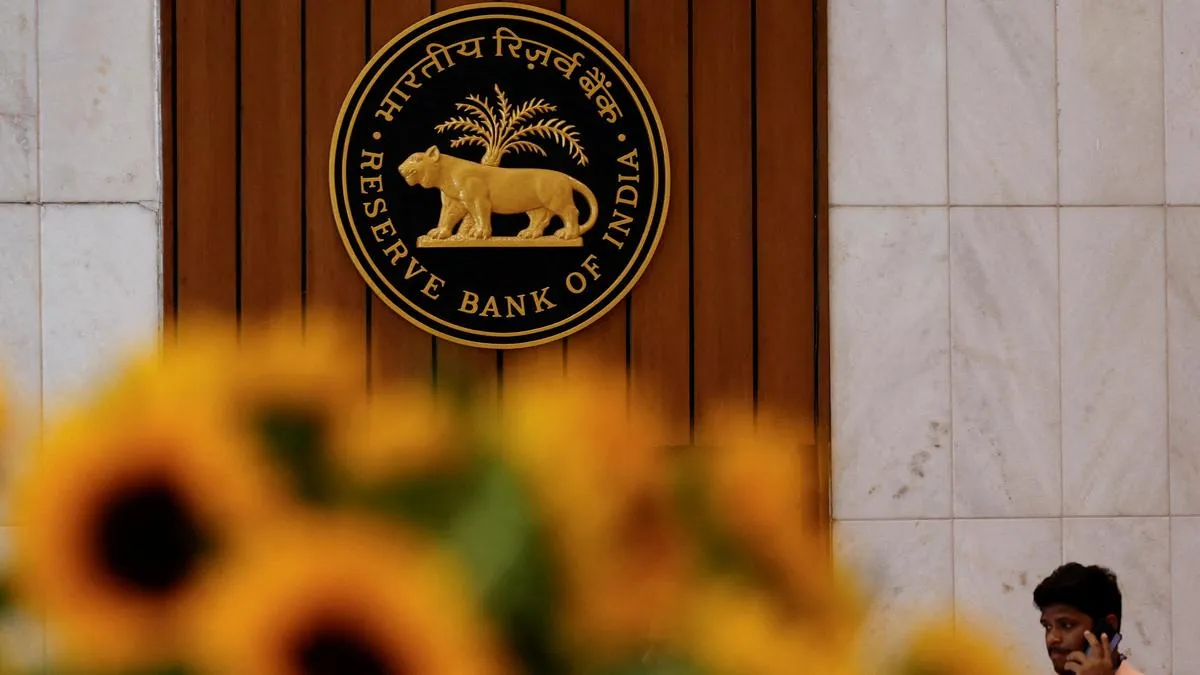
Initially, the Reserve Bank of India (RBI) had set April 1, 2026, as the deadline for implementing new capital market exposure rules. These guidelines were designed to provide a framework for banks to finance acquisitions by Indian corporates, aiming to strengthen the financial landscape.
However, in a decisive shift, the RBI announced a three-month postponement of these rules to July 1, 2026. This change came after the central bank received numerous requests from banks, capital market intermediaries, and industry bodies seeking more time and clarity on operational issues.
The amended guidelines, first issued in February 2026, included stipulations that acquisition finance could only be extended for acquiring control over non-financial target companies. Additionally, banks were directed to unwind large currency positions by April 10, 2026, amid a volatile currency market.
As the rupee hit a historic low of ₹94.81 against the dollar, falling four percent since the onset of the ongoing war, the RBI’s decision reflects the urgent need for stability in the financial sector. The central bank’s spokesperson stated, “The Reserve Bank has since received representations from banks, CMIs, and various industry associations seeking an extension of the effective date, and also flagging certain operational and interpretational issues for clarification.”
In light of these developments, the RBI clarified that acquisition finance could now also be utilized for on-lending to a subsidiary for acquiring a target company. Furthermore, caps were established on loans to individuals against eligible securities, set at ₹1 crore per individual, while the cap for subscribing to shares under IPO, FPO, or ESOP was fixed at ₹25 lakh per individual.
Experts suggest that this delay may provide banks with the necessary time to adjust their strategies and operations in response to the new rules, potentially mitigating risks associated with the current currency fluctuations.
As the financial community awaits the new deadline, the RBI’s actions underscore the delicate balance it must maintain between regulatory enforcement and the practical realities faced by financial institutions in a turbulent economic environment.
Details remain unconfirmed regarding the specific operational clarifications that will accompany the new rules, but stakeholders are hopeful for guidance that will facilitate smoother compliance.