Reaction from the field
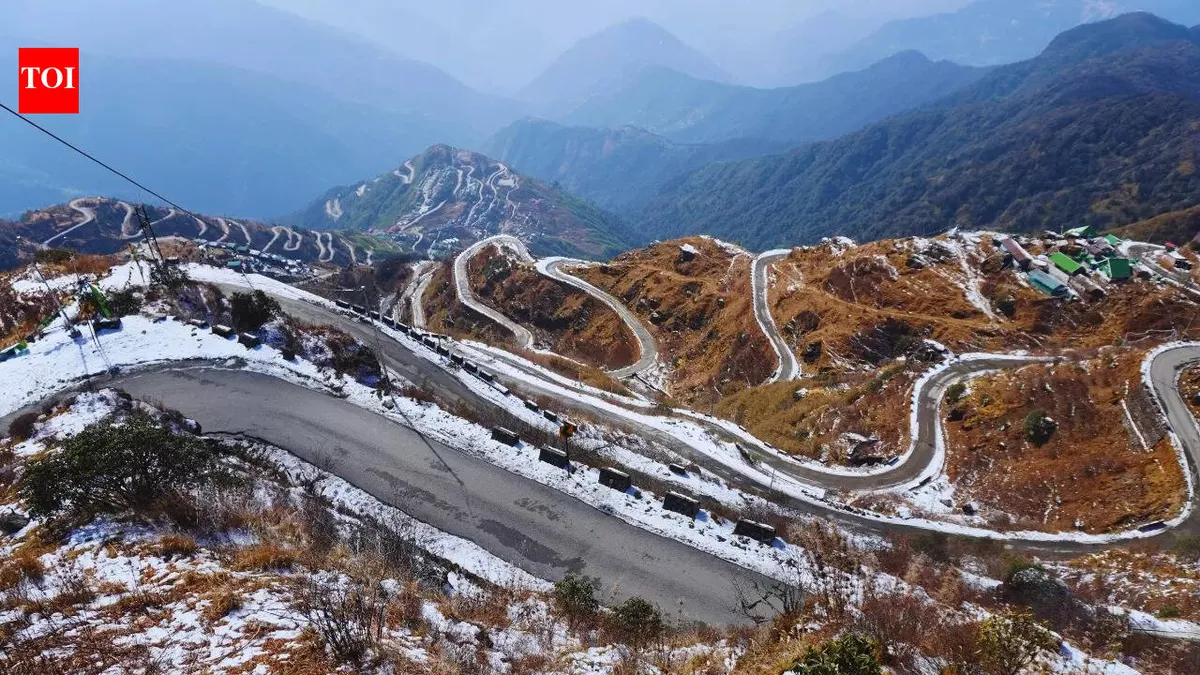
The construction of a new railway line between Sevoke and Rangpo marks a pivotal moment for Sikkim, the only Indian state currently without railway connectivity. This development is expected to significantly enhance accessibility and economic opportunities in the region, which has long been isolated due to its challenging terrain.
Currently, Sikkim lacks operational railway stations or active routes, forcing residents and visitors to rely on road and air travel. The journey from New Jalpaiguri to Gangtok takes approximately four to five hours by road, while flights to the nearby Pakyong Airport are limited and often subject to weather conditions. This new railway line, spanning approximately 44-45 kilometers, is anticipated to be operational by 2027, promising to transform travel dynamics in the state.
The absence of railway connectivity has, paradoxically, helped Sikkim retain its remoteness, preserving its unique culture and environment. However, the new railway line is expected to facilitate increased tourism and trade, potentially boosting the local economy. As one expert noted, “Sikkim, though not accessible by rail, is accessible through road and air,” highlighting the region’s ongoing struggle for improved infrastructure.
In addition to the railway project, the Mohra Power Project, commissioned in 1905, has been a topic of discussion regarding energy needs in the region. Although it has been defunct since the 1990s, its proposed capacity of about 10.5 MW holds historical significance. The project was initially constructed to support dredging operations in the Jhelum River, but extensive damage from floods in 1992 halted its operations.
Despite its modest capacity, the revival of the Mohra Power Project is seen as symbolically important, as it reflects the region’s heritage and the ongoing efforts to address power deficits. Currently, Jammu and Kashmir has a power generation capacity of 3,540 MW, with a target to reach 11,000 MW by 2035. The revival of such projects could play a critical role in meeting these ambitious goals.
As the railway line progresses, it involves extensive tunneling and bridge work along the Teesta valley, which poses engineering challenges. The successful completion of this project could set a precedent for future infrastructure developments in similar terrains across India.
With the railway line expected to enhance connectivity, the future of Sikkim looks promising. However, uncertainties remain regarding the timeline and potential challenges that may arise during construction. Details remain unconfirmed.