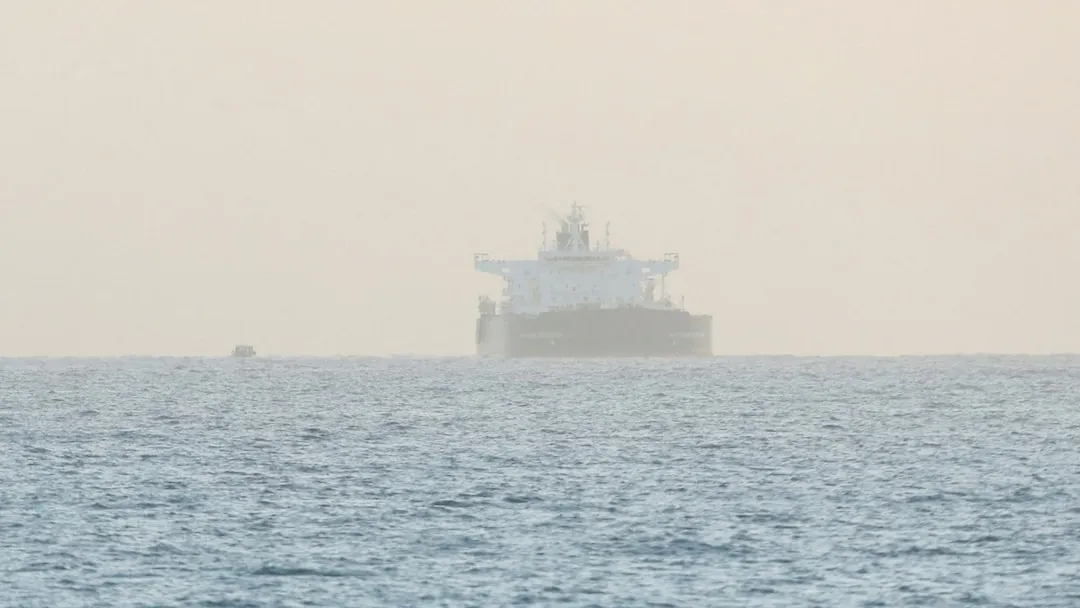
The Iranian oil tanker Ping Shun has changed its destination from India to China, carrying 600,000 barrels of Iranian crude oil. This unexpected shift raises significant concerns regarding the future of Iranian oil imports, particularly for India, which has not imported Iranian oil since 2019 due to US sanctions.
Initially, the tanker was set to dock at Vadinar in Gujarat, India, marking a potential return of Iranian crude to Indian markets. If successful, this shipment would have represented India’s first import of Iranian oil in nearly four years. However, the change in route appears to be linked to unresolved payment-related issues.
Before sanctions tightened in 2018, India was one of the largest buyers of Iranian oil, accounting for 11.5% of its total oil imports. In 2018, India imported an average of 518,000 barrels per day from Iran, a figure that plummeted to 268,000 barrels per day between January and May 2019.
The US has granted a 30-day waiver allowing purchases of Iranian oil at sea, which is set to expire on April 19, 2026. This waiver has created a narrow window for potential transactions, but the identities of the buyer and seller involved in the Ping Shun’s cargo remain unclear.
Industry experts note that if payment issues are resolved, the cargo could still make its way to an Indian refinery. According to Sumit Ritolia, “If the payment issues are resolved, the cargo could still make its way to an Indian refinery.” This highlights the precarious nature of international oil transactions under current sanctions.
Furthermore, Ritolia emphasizes that the episode underscores how commercial terms are becoming as critical as logistics in determining Iranian crude flows. As the geopolitical landscape evolves, the implications for global oil trade could be profound.
Details remain unconfirmed regarding the exact reasons behind the change in destination and the parties involved in the transaction. The situation continues to develop, and further updates are anticipated as the deadline for the US waiver approaches.