In a rapidly evolving landscape, the realm of video videos has seen significant shifts recently. Previously, the focus was largely on entertainment and personal sharing, with platforms like Google Vids primarily serving as tools for content creation. However, the situation has taken a more urgent turn with the recent downing of a US fighter jet inside Iran.
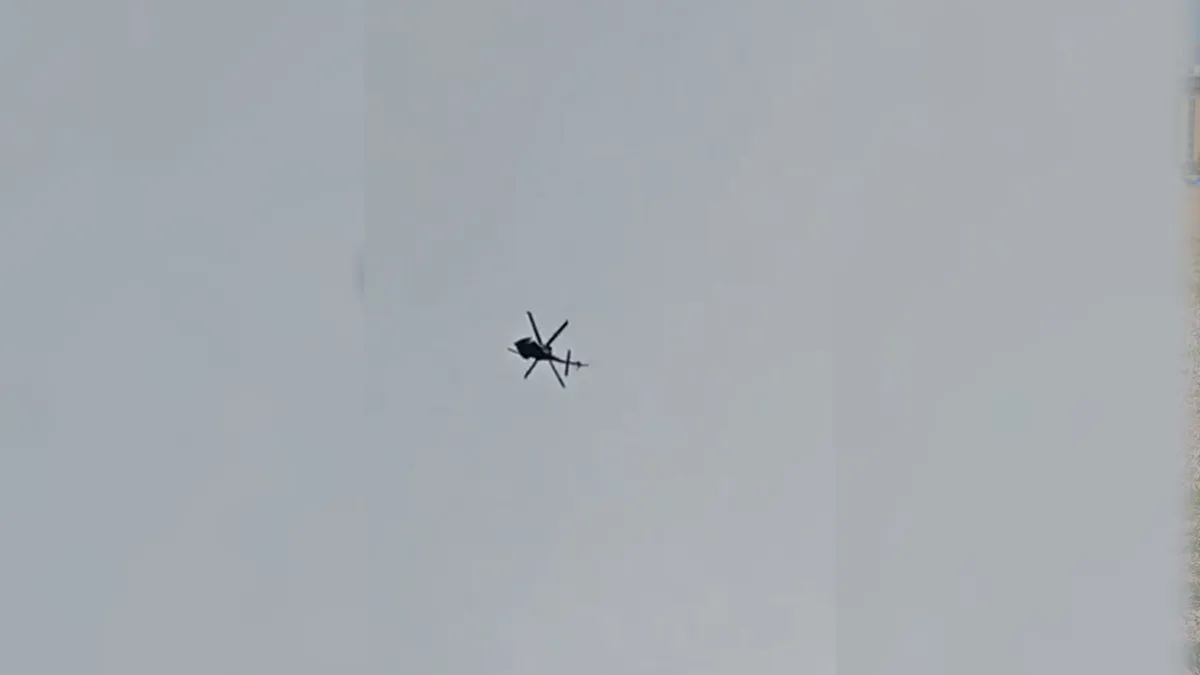
Iranian state media has begun screening videos purportedly showing US aircraft engaged in a search operation for the pilots of the downed fighter jet. This alarming development marks a decisive moment in international relations, as tensions escalate in the region. A US official confirmed to Reuters that efforts to locate survivors are currently underway.
In contrast to the geopolitical turmoil, the tech world is buzzing with excitement over Google’s latest update to Google Vids. The platform has rolled out new AI capabilities that allow users to generate short video clips at no cost. This update represents a significant shift in how users can create and share content, with free users now able to generate up to 10 video clips per month.
Google Vids now enables users to transform simple text prompts or images into engaging short videos directly within the editor. This innovation not only enhances user experience but also democratizes video creation, making it accessible to a broader audience.
Moreover, the integration of AI-generated music through Google’s Lyria models adds another layer of creativity, allowing users to enrich their video projects with custom soundtracks. This development contrasts sharply with the serious nature of the ongoing search for the US pilots, highlighting the diverse applications of video technology.
As the situation unfolds in Iran, the implications for the involved parties are profound. Iran has even offered a reward for the capture of the crew, indicating the high stakes at play. Meanwhile, the advancements in video videos through platforms like Google Vids illustrate a different kind of urgency—one focused on innovation and creativity.
Experts suggest that the dual narratives of geopolitical conflict and technological advancement underscore the complex relationship between media and reality. The ability to create and share videos instantly can influence public perception and response to events as they unfold.
As these two worlds collide, the urgency of the situation in Iran contrasts sharply with the excitement surrounding new video technologies. While the search for the US pilots continues, the evolution of video videos offers a glimpse into the future of content creation.
Details remain unconfirmed regarding the status of the pilots, but the implications of this incident are likely to resonate far beyond the immediate crisis.