The numbers
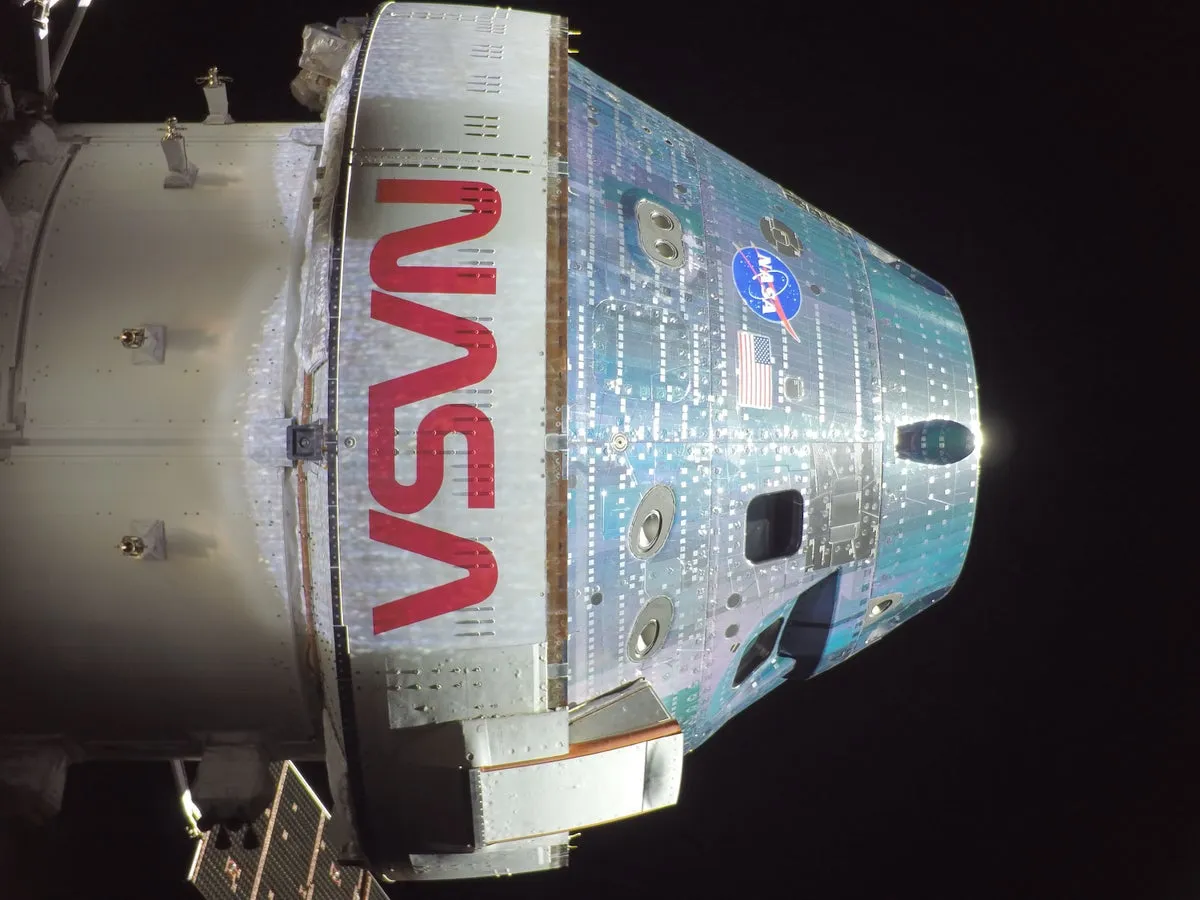
The NASA Artemis II mission has launched four astronauts on a journey around the moon, marking a significant milestone in space exploration. As of April 4, 2026, the Orion spacecraft was more than 160,000 miles from Earth and less than 120,000 miles from the moon. The crew, consisting of NASA astronauts Reid Wiseman, Victor Glover, Christina Koch, and Canadian astronaut Jeremy Hansen, passed the halfway point of their voyage just two days after liftoff.
On April 6, 2026, the Artemis II crew will conduct a lunar flyby, coming within 4,066 miles of the moon at its closest approach. This mission is poised to surpass the Apollo 13 distance record by an impressive 4,102 miles. The astronauts are currently on a ‘free-return’ trajectory, utilizing the moon’s gravity to return to Earth without the need for propulsion.
During their journey, the crew has been actively engaged in training exercises, including practicing CPR in space and testing medical equipment from the Orion medical kit. Reid Wiseman expressed the awe of the experience, stating, “It was really great to wake up this morning and look out the window and see the full moon off the front of the vehicle.” Christina Koch added, “We can see the Moon out of the docking hatch right now, it is a beautiful sight.” These sentiments reflect the excitement and wonder of the mission.
As the mission progresses, the crew will experience a communications blackout when Orion passes behind the moon, a moment that adds to the thrill of their journey. Additionally, they will have the unique opportunity to observe a solar eclipse from space during the flyby, further enhancing the significance of this mission.
As the astronauts continue their historic journey, NASA officials have stated, “We’re halfway there,” indicating the successful progress of the mission. Observers eagerly await the upcoming lunar flyby and the data that will be collected during this unprecedented mission.
The Artemis II mission is a pioneering journey around the moon, following the Artemis I mission, and represents a crucial step in humanity’s return to lunar exploration. Details remain unconfirmed regarding the full implications of the data collected and the mission’s long-term impact on future space endeavors.