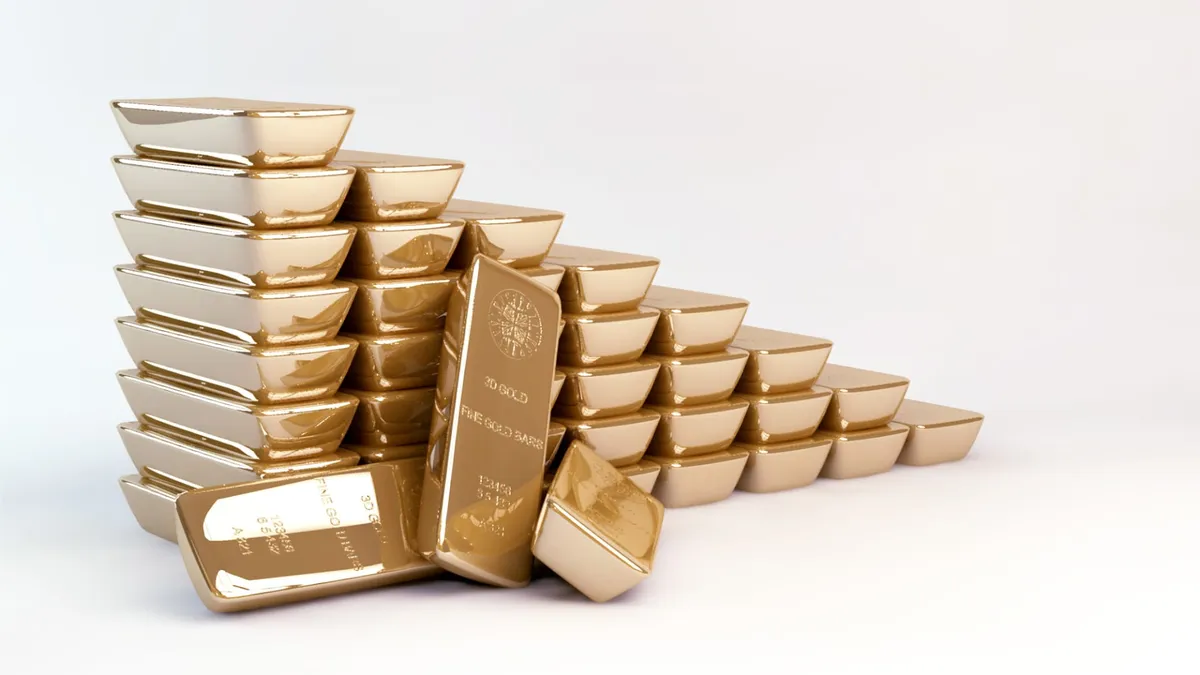
Gold’s role as a consumer good and an investment asset is shaped by its scarcity and usefulness to individuals and institutions. However, recent market developments have raised concerns among investors.
As of April 3, 2026, international spot gold has seen a notable decline, trading at approximately $4,650.20 per ounce, marking a drop of about 2.80% following a sharp rally.
In India, domestic gold rates have also experienced a significant pullback, falling by approximately ₹3,980 per 10 grams. Currently, 24K gold is averaging ₹1.48 lakh per 10 grams.
The latest figures indicate that 24K gold (99.9%) is priced at ₹14,897 per gram, while 22K gold (91.6%) stands at ₹13,655 per gram. Additionally, 18K gold is available at ₹11,173 per gram.
In 2025, gold trading reached a record average of $361 billion per day, highlighting the metal’s significant role in global finance.
Central banks and official institutions collectively hold nearly 39,000 tonnes of gold, valued at approximately $5 trillion, which constitutes about 26% of global allocated reserves.
Despite the recent price drop, approximately 220,000 tonnes of gold remain available above ground, indicating both scarcity and ample opportunity for market participants.
Observers note that the fluctuations in gold prices may lead to increased volatility in the market, with potential implications for both investors and consumers.
As the situation develops, analysts are closely monitoring market trends to gauge the potential for recovery or further declines in gold prices.
Details remain unconfirmed regarding the factors driving these recent changes, but the impact on the gold market is already being felt.