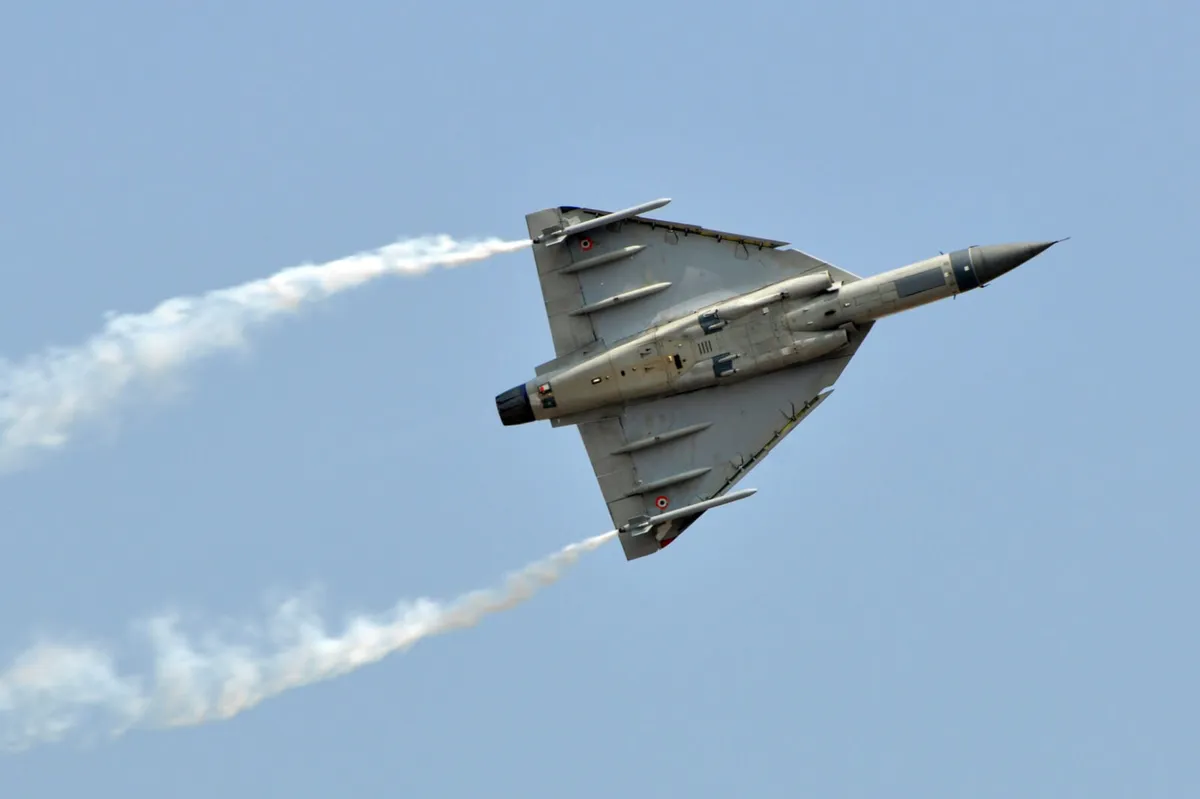
The HAL Tejas fleet, comprising 32 to 34 Mk1 fighter jets, was grounded in February 2026 after a landing mishap raised safety concerns. This grounding halted operations at a critical time for the Indian Air Force (IAF), which relies on these indigenous jets to replace aging MiG-21s.
In a significant update, HAL chairman DK Sunil announced that all Tejas jets are set to fly again starting April 8, 2026. This decision comes after extensive evaluations and preparations to ensure the aircraft’s safety and reliability.
However, the Tejas programme has faced numerous challenges, particularly with engine deliveries. HAL has imposed penalties on GE Aerospace for delays in the supply of F404 engines, crucial for the Tejas Mk-1A variant. So far, GE Aerospace has delivered only six out of the 99 engines contracted, with the first engine arriving in March 2025.
Despite these setbacks, HAL expects to receive another engine delivery by the end of April 2026, which is vital for the ongoing production of the Tejas Mk-1A. The programme aims to deliver over 20 aircraft by December 2026, but the timeline remains tight given the current delays.
India has ordered a total of 180 Tejas Mk1A variants, with the deal valued at 48 thousand crores. The Tejas jets are designed to be compatible with modern missiles, laser-guided bombs, and helmet-mounted displays, enhancing their operational capabilities.
The Tejas programme has been criticized for taking longer and costing more than initially planned. Sandeep Unnithan noted that while India invested modestly in the programme, other nations like China have made substantial investments in their military aviation sectors.
Philip Rajkumar, an expert in military aviation, emphasized the complexity of jet engines, stating, “The jet engine is one of the most complex pieces of machinery that you can ever think of.” He also defended the Tejas’s performance, asserting, “In performance, in sheer performance, LCA Tejas is better.”
As the IAF prepares to reintegrate the Tejas jets into its fleet, the future of the programme hinges on overcoming these logistical hurdles and ensuring timely engine deliveries. The successful resumption of flights is crucial not only for the IAF’s operational readiness but also for India’s defense manufacturing ambitions.
Details remain unconfirmed regarding the exact timeline for the remaining engine deliveries and the overall impact on the Tejas Mk-1A production schedule.