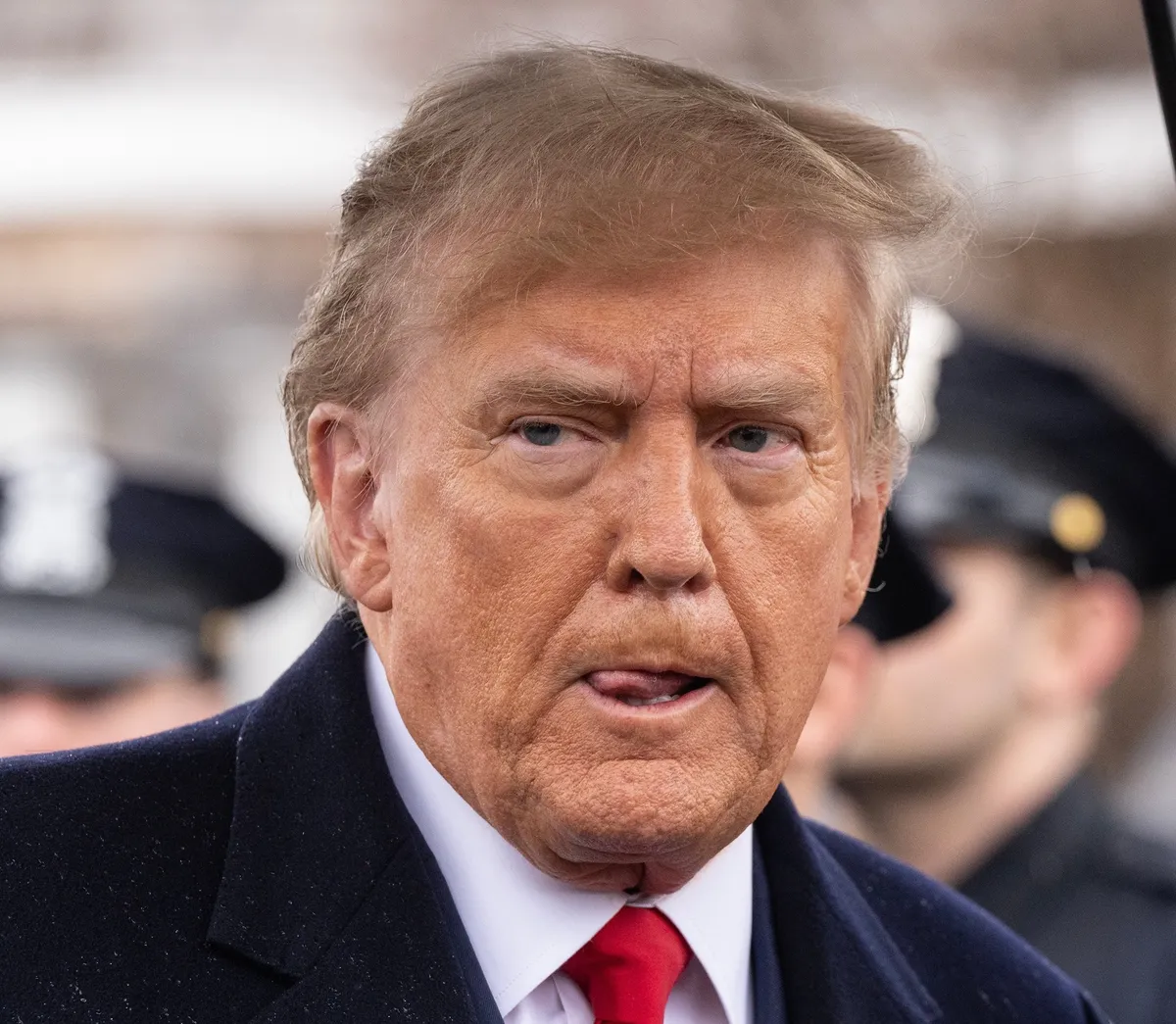
“All Hungarians know that this is a shared victory. Our homeland made up its mind. It wants to live again. It wants to be a European country,” declared Péter Magyar in his victory speech, marking a historic moment in Hungary’s political landscape.
Magyar’s party, Tisza, triumphed in the elections held on April 12, 2026, securing over 53% of the vote and ousting Viktor Orbán, who had dominated Hungarian politics for 16 years. Orbán’s Fidesz party received 37% of the vote, a significant decline from previous elections.
The voter turnout was nearly 80%, a record in Hungary’s post-Communist history, reflecting a strong public interest in the election outcome. Magyar’s campaign focused on combating corruption and addressing everyday issues such as health care and public transport, resonating with voters who sought change.
Following the announcement of the results, Orbán conceded defeat, acknowledging the shift in political power. His government had faced criticism for authoritarian policies that strained Hungary’s relationship with the European Union, particularly after Orbán reneged on a €90 billion loan for Ukraine.
Magyar’s victory is expected to transform political dynamics within the EU, as he pledged to rebuild Hungary’s relationships with both the European Union and NATO. EU leaders, including Ursula von der Leyen, congratulated Magyar, indicating a renewed support for Hungary’s alignment with European values.
In a statement reflecting the broader implications of the election, von der Leyen said, “Hungary has chosen Europe. Europe has always chosen Hungary. Together, we are stronger.” This sentiment was echoed by other European leaders, highlighting the significance of Magyar’s win for the future of democracy in Hungary and the EU.
As Hungary embarks on this new political chapter, the focus will be on how Magyar implements his agenda and navigates the challenges ahead. The election results signal a clear desire among Hungarians for a government that prioritizes European integration and democratic values.
With the political landscape shifting, observers will be closely watching how Magyar’s administration addresses the issues that led to his election and how it will redefine Hungary’s role within the European community.