Introduction
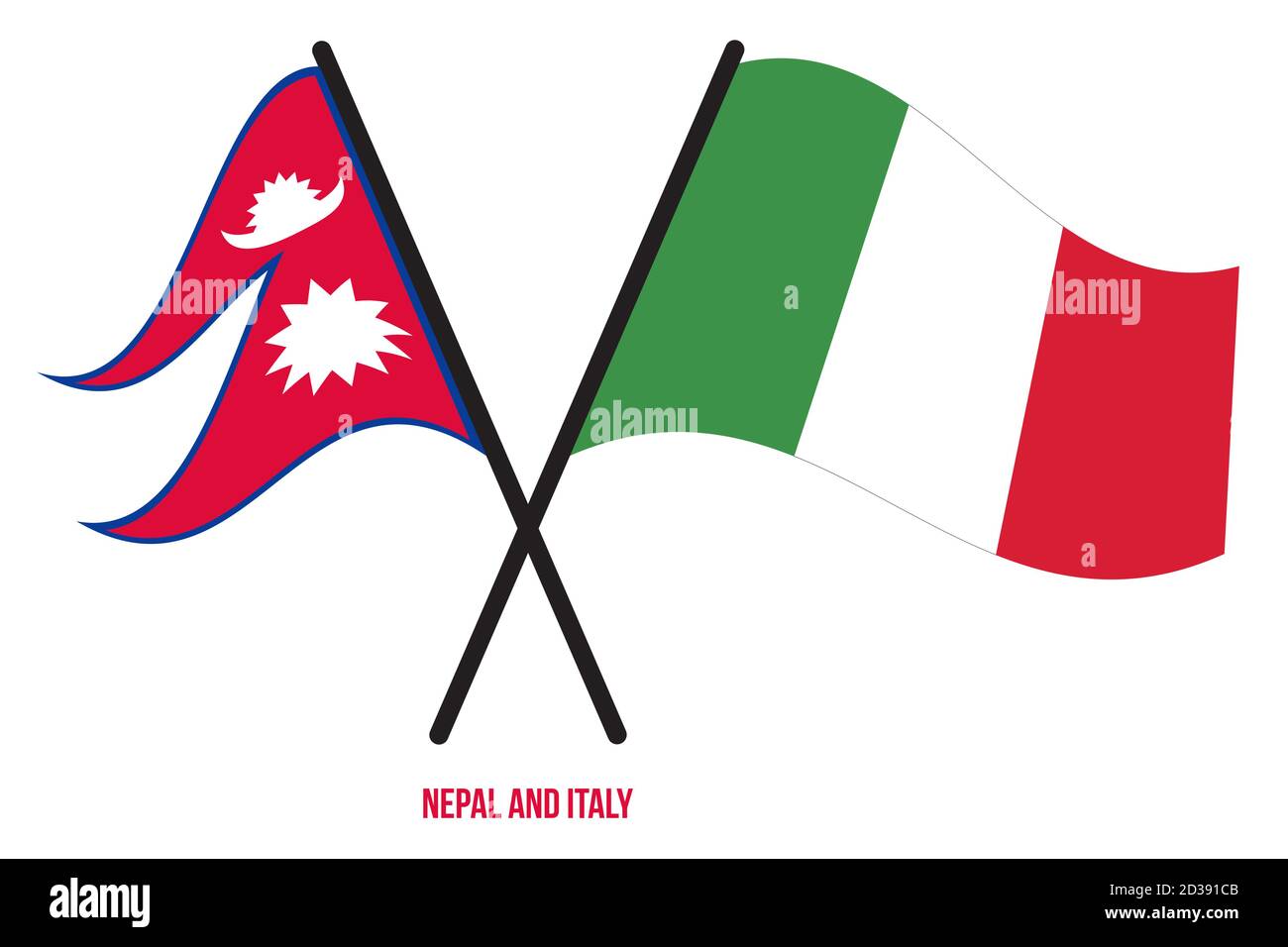
The comparison between Nepal and Italy presents a fascinating exploration of two diverse nations, each with its unique landscape, culture, and economy. Situated in South Asia, Nepal is known for its breathtaking mountains and rich traditions, while Italy, in Southern Europe, is famed for its historical significance and artistic contributions. Understanding the differences and similarities between these two countries is essential not only for cultural insight but also for economic and diplomatic relations as globalization continues to shape international interactions.
Cultural Aspects
Nepal, home to diverse ethnic groups and languages, promotes a culture rooted in spirituality and community. Festivals like Dashain and Tihar showcase its rich customs and vibrant traditions, celebrating familial bonds and agricultural cycles. In contrast, Italy’s cultural heritage is steeped in a history of artistry and innovation, from the Renaissance art movement to the culinary delights of Italian cuisine. Cities such as Rome, Florence, and Venice are prime examples of this rich heritage, attracting millions of tourists each year.
Economic Overview
Economically, Nepal and Italy are worlds apart. Italy boasts one of the largest economies in the European Union, relying heavily on manufacturing, services, and tourism. The country is famed for its luxury fashion and automotive industry, hosting brands like Gucci and Ferrari. Conversely, Nepal’s economy is primarily agrarian, with many citizens engaged in subsistence farming. However, in recent years, Nepal has seen a rise in tourism, particularly in adventure sports and trekking in the Himalayas, contributing to its growing economy.
Diplomatic Relations
Despite their differences, Nepal and Italy maintain friendly diplomatic relations. Italy is one of the key partners for development assistance in Nepal, focusing on improving infrastructure, education, and sustainable development initiatives. Various Italian NGOs operate in Nepal, fostering collaboration in diverse sectors, including health and agriculture.
Conclusion
The comparison between Nepal and Italy highlights the beauty of diversity in culture, economy, and social structures. While one thrives on artistic expression and industrial prowess, the other captivates with its natural beauty and rich spiritual heritage. As both nations navigate the complexities of global citizenship, understanding their unique attributes can aid in fostering stronger diplomatic and economic ties, promoting mutual respect and cooperation that benefits both countries in an interconnected world.