Introduction
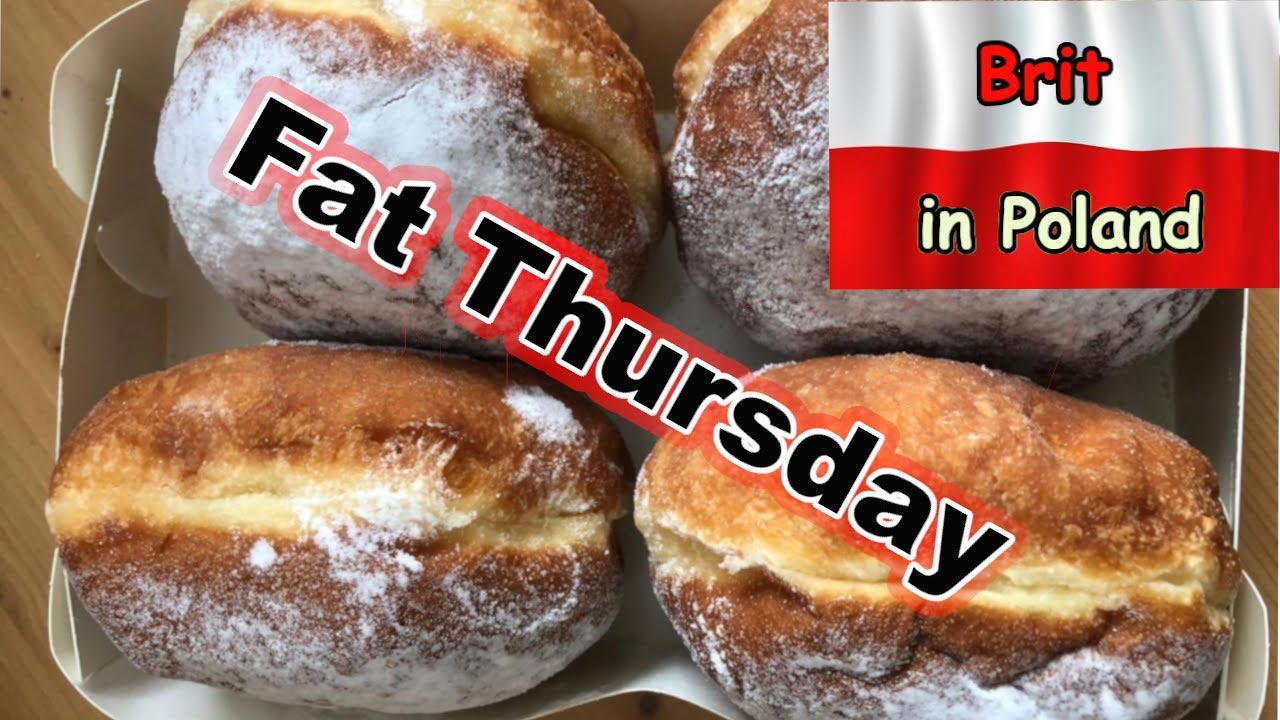
Fat Thursday, known as ‘Tłusty Czwartek’ in Polish, marks a significant cultural tradition celebrated in Poland. This day, observed on the last Thursday before Ash Wednesday, is a time when people indulge in sweet treats, especially delicious doughnuts, called ‘pączki’. The significance of this day goes beyond mere indulgence; it symbolizes the final feast before the solemn season of Lent begins, making it an important event in the Polish calendar.
Historical Background
Historically, Fat Thursday dates back several centuries and is linked to the Christian tradition of preparing for Lent, a period of fasting and reflection. During this time, people would enjoy a last day of rich foods before the abstinence mandated by Lent. In Poland, this tradition evolved to include the consumption of various pastries, with pączki becoming the centerpiece. These delectable, filled doughnuts are often made with jam, cream, or sweet cheese and are deep-fried until golden brown, then dusted with powdered sugar or glazed.
Culinary Celebrations
On Fat Thursday, bakeries across Poland prepare thousands of pączki, with customers eagerly lining up to purchase these treats. Cities like Warsaw, Kraków, and Wrocław become bustling centers of activity as families and friends gather to celebrate together. While pączki are the most popular, other pastries such as ‘faworki’ (angel wings) are also enjoyed during this festive day. The ritual of indulging in sweets serves as a reminder of enjoying life’s pleasures before the reflective period of Lent.
Modern Observance
In contemporary society, Fat Thursday has taken on a festive atmosphere, with many people sharing their pączki experiences on social media. The day has become synonymous with joy and celebration, drawing attention from both locals and tourists alike. Restaurants and cafes often host special events, featuring contests for the best pączek or creativity in flavours. Additionally, cities may host parades or gatherings, fostering a sense of community and collective participation in this age-old tradition.
Conclusion
Fat Thursday is not just a culinary delight; it represents a cherished cultural heritage in Poland. As people enjoy their pączki and celebratory events, they partake in a tradition that connects them with their past and their community. This celebration emphasizes the importance of joy, togetherness, and the simple pleasures of life before the season of sacrifice that Lent brings. For many, participating in Fat Thursday is a sweet way to honor their traditions and enjoy the taste of history on their plates.