Introduction: The Significance of Crete
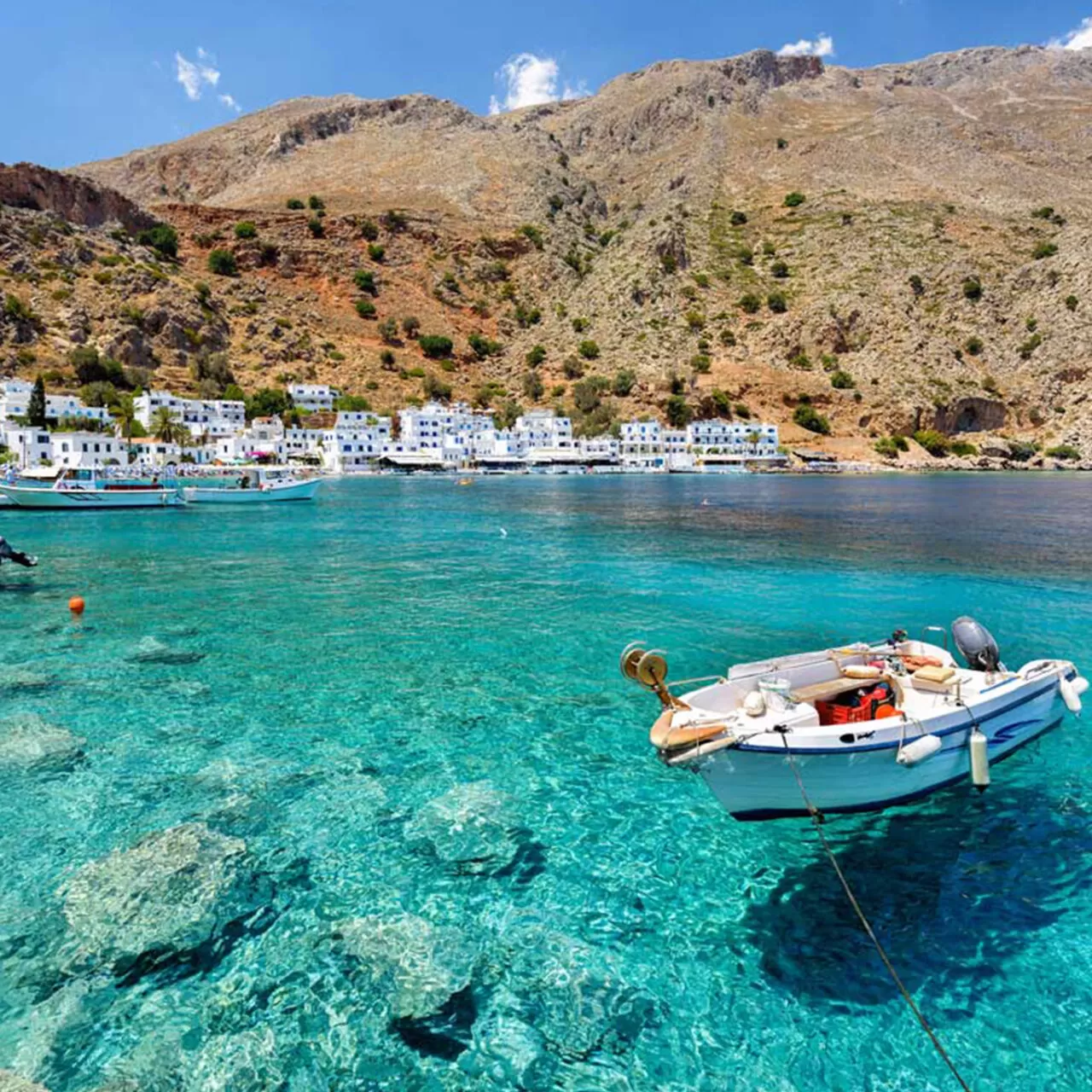
Crete, the largest of the Greek islands, holds a vital role in not only the geography of Greece but also in its history and culture. Known for its unique blend of landscapes, from beautiful beaches to rugged mountains, and its storied past including the famous Minoan civilization, Crete attracts millions of tourists each year. As travel continues to rebound post-pandemic, the allure of Crete showcases the enduring appeal of this Mediterranean gem.
Tourism Trends and Recovery
In 2023, tourism in Crete has seen a remarkable recovery, with projections indicating a return to, or even surpassing, pre-COVID visitor levels. According to the Greek Ministry of Tourism, Crete has welcomed over 5 million visitors in the first half of the year, marking a 15% increase compared to 2019. The island’s historical sites, such as the Palace of Knossos and the ancient city of Phaistos, continue to draw significant interest, while its renowned beaches and vibrant nightlife also play pivotal roles in attracting tourists.
Cultural Heritage and Local Economy
Crete’s cultural heritage is equally significant as its physical beauty. It is home to numerous archaeological sites, traditional villages, and rich culinary experiences that celebrate local agriculture and cuisine. Cretan cuisine, characterized by its use of local ingredients such as olive oil, fresh vegetables, and seafood, is a highlight for many visitors. Local businesses, particularly in the hospitality sector, have thrived as they adapt to the increasing demand. Many are focusing on sustainable tourism practices to preserve the island’s natural beauty and cultural integrity.
Environmental and Social Considerations
As tourism flourishes, there are growing conversations around sustainable practices to protect Crete’s environment and local communities. Initiatives are being introduced that encourage eco-friendly travel, supporting local farms, and promoting cultural events that involve the community. These efforts are crucial to ensuring that Crete remains a viable destination for generations to come while respecting its cultural heritage.
Conclusion: The Future of Crete
The significance of Crete extends beyond its picturesque landscapes and rich history; it plays a crucial role in Greece’s economy and cultural identity. As travel continues to recover, Crete is expected to remain at the forefront of Mediterranean tourism, highlighting the importance of sustainable practices and local engagement in preserving its unique charm. For future travelers, the island offers an abundance of experiences, making it a must-visit destination for both history enthusiasts and beach lovers alike.