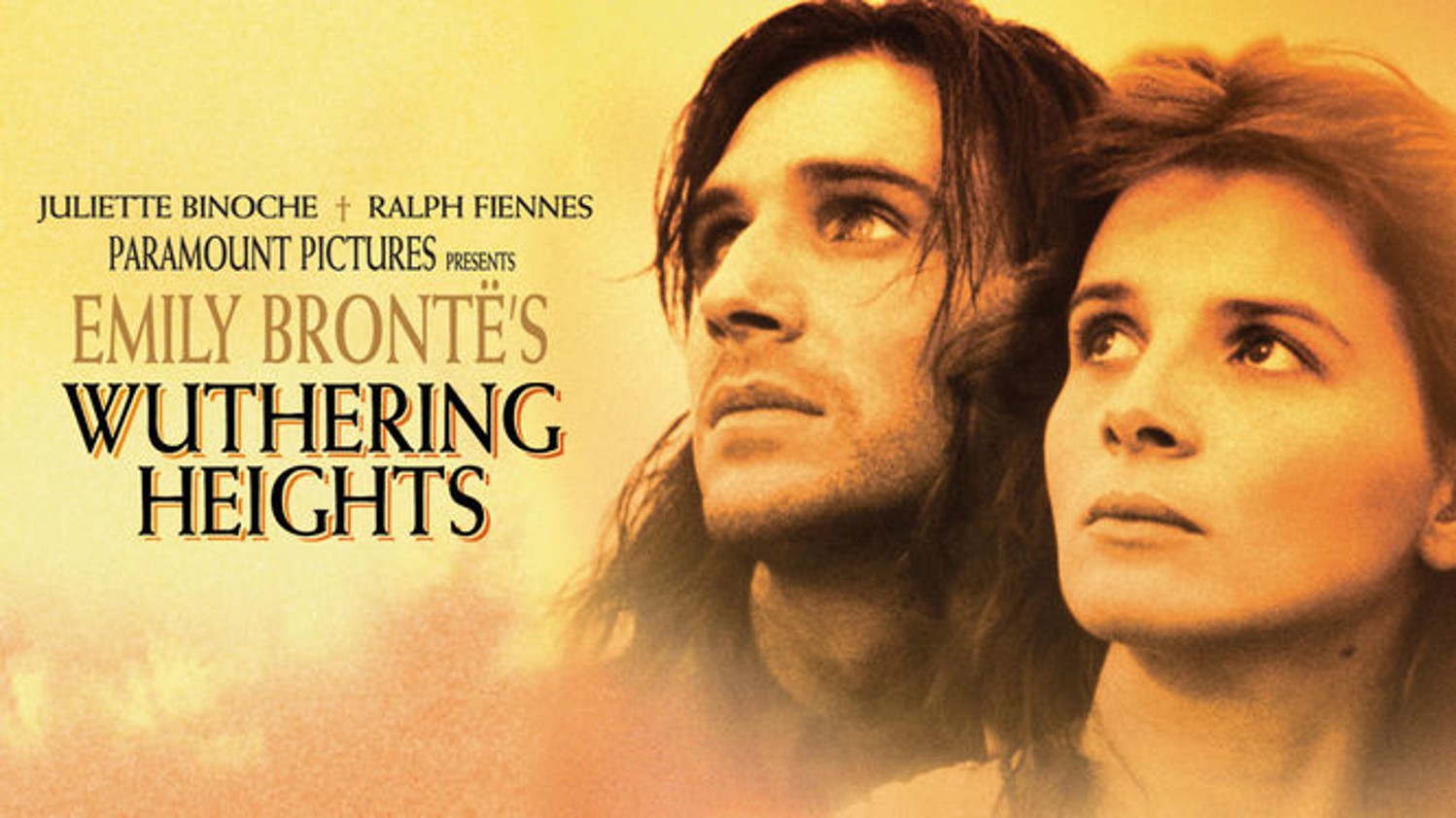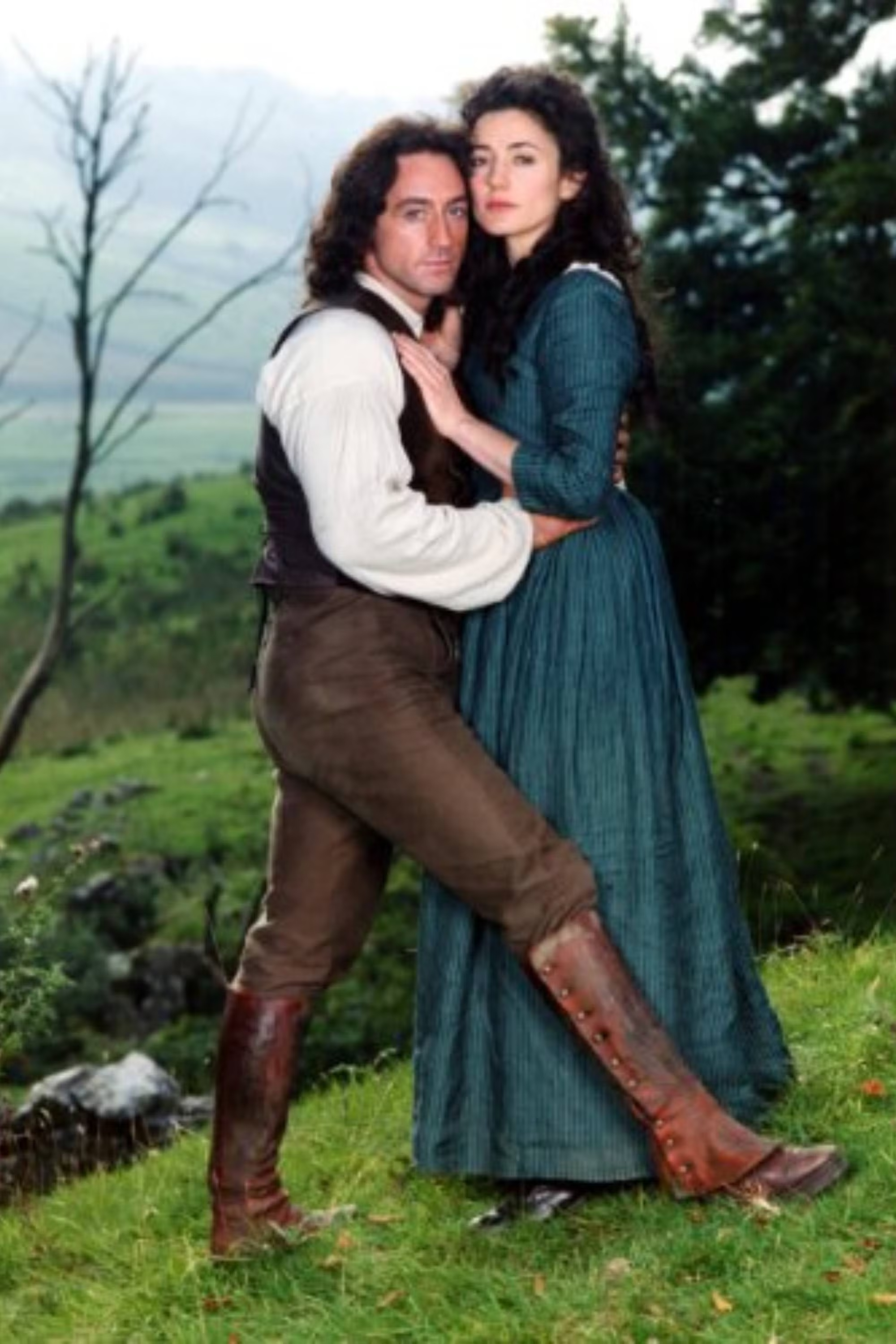
Introduction: The Enduring Legacy of Wuthering Heights
Wuthering Heights, Emily Brontë’s only novel, published in 1847, remains a cornerstone of classic literature. Its compelling characters, intense themes of love and revenge, and the atmosphere of the Yorkshire moors have inspired countless adaptations in various media, particularly film. The significance of these adaptations lies not only in their artistic interpretations but also in how they keep the narrative alive in contemporary culture.
Main Body: Film Adaptations Over the Decades
Over the last century, numerous filmmakers have attempted to capture the essence of Wuthering Heights. The first adaptation was released in 1920, directed by A.V. Brik, hinting at the story’s long-standing appeal. However, it was the 1939 version starring Laurence Olivier and Merle Oberon that popularized the tale among American audiences, celebrated for its dramatic performances and atmospheric cinematography.
As cinematic techniques advanced, so did the interpretations of the text. In 1970, an adaptation directed by Robert Fuest brought a new visual style, adding more emphasis on the tragic elements of the story. More recently, the 2011 adaptation, featuring Kaya Scodelario and Tom Hardy, aimed to delve deeper into the raw emotionality of its characters, presenting an almost gothic re-imagining within a modern context.
Each version, from film noir to romantic tragedy, illustrates various filmmakers’ attempts to present the complex dynamic between Heathcliff and Cathy, their tumultuous love story, and the impacts of their choices on the other characters. This ongoing evolution reflects changing societal norms, audience preferences, and artistic visions.
Conclusion: The Significance of Film Adaptations
The enduring fascination with Wuthering Heights in cinema demonstrates the novel’s limitless potential for reinterpretation. Each adaptation invites viewers and readers to experience the tumultuous emotions that Brontë so masterfully crafted. As new film technologies emerge and directors experiment with storytelling methods, future adaptations will undoubtedly continue to shed new light on this timeless classic. The importance of these films lies not only in how they adapt the text but also in how they resonate with new generations, ensuring Brontë’s work remains relevant in today’s society.