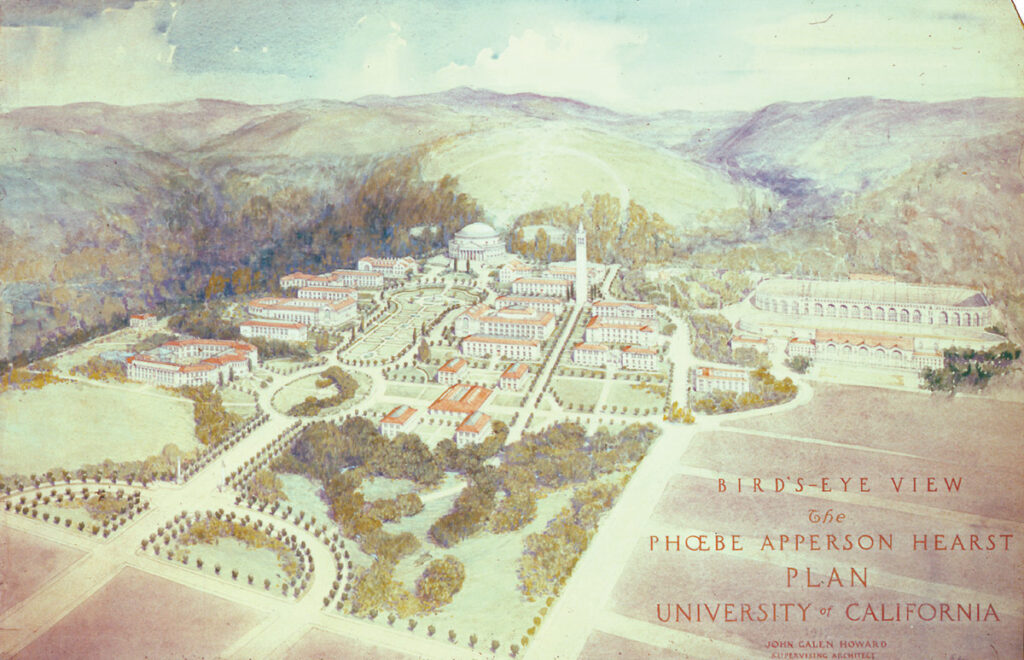
The Role of Berkeley Campus in Higher Education
The Berkeley campus, part of the University of California system, plays a pivotal role in higher education innovation, research, and inclusivity. Established in 1868, it has evolved into one of the premier public universities in the United States, recognized globally for its academic excellence and commitment to social impact.
Current Developments on the Berkeley Campus
In recent months, the Berkeley campus has become a focal point for discussions around sustainability and technological advancements. The university recently launched a series of initiatives aimed at reducing its carbon footprint by 50% by 2030. This initiative aligns with broader trends in campus sustainability and has garnered positive response from both students and faculty.
Moreover, the campus is actively working on enhancing its diversity and inclusion programs. In 2023, it introduced several new scholarships aimed at underrepresented communities, reinforcing its commitment to creating an equitable educational environment.
Significant Research and Innovation
Berkeley campus continues to dominate in research, particularly in areas like renewable energy and biotechnology. The California Institute for Energy and Environment, located on campus, is currently at the forefront of research into sustainable energy solutions. Lately, Berkeley researchers have made significant strides in lithium-ion battery advancements, promising to enhance efficiency in electric vehicles.
Conclusion: The Future of Berkeley Campus
The Berkeley campus remains significant not only as an educational institute but also as a leading center for research and innovation. Its actions regarding sustainability and diversity set a benchmark for other institutions across the country. As the university continues to adapt to contemporary challenges while maintaining its legacy of academic excellence, it is clear that Berkeley will remain an influential entity in shaping the future of both education and technology.