Introduction
The ongoing Ola Uber strike has captured attention in major cities, prompting discussions about the rights of rideshare drivers and the implications for passengers. With concerns over pay, working conditions, and regulatory policies, this strike reflects broader issues in the gig economy that affect thousands of drivers and millions of users.
The Current Situation
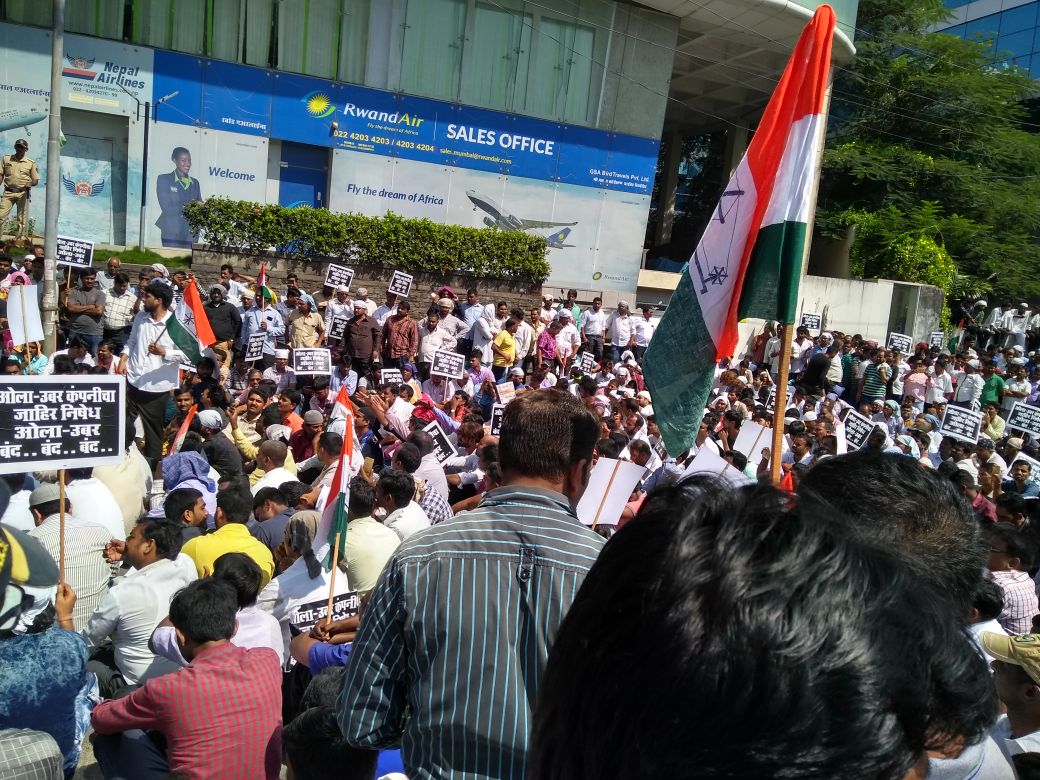
As of October 2023, rideshare drivers working with Ola and Uber have initiated strikes across key urban centers in response to what they label as unfair compensation and lack of benefits. Drivers argue that the companies have cut fares significantly, which has affected their income while operational costs continue to rise. The protest, organized by various driver unions, has seen participation from thousands of drivers, who have taken to social media to share their grievances and demands.
Key Events
The strike began on October 1, 2023, after a series of failed negotiations between driver representatives and company officials. During the first week of the protest, rideshare services were reported to be running at only 30% capacity, causing significant delays for users. The disruption has raised concerns among commuters, who rely on these services for daily transportation. In response, both Ola and Uber have released statements urging drivers to return to work while emphasizing their commitment to improve driver conditions and fares. However, the impact of the strike is evident, as many users are seeking alternative transport options.
Broader Context
This strike is not an isolated incident but rather a continuation of ongoing tensions in the gig economy. Drivers have been advocating for better wages, job security, and access to benefits similar to those enjoyed by full-time employees. Legal battles surrounding the classification of gig workers and the regulation of rideshare companies are ongoing, with some states introducing bills aimed at enhancing protections for drivers.
Conclusion
The Ola Uber strike shines a light on the critical issues facing gig economy workers, highlighting the need for adequate compensation and worker protections. As the situation continues to unfold, it is essential for both companies and regulators to consider the long-term implications of their policies on drivers. Predictions indicate that unless significant changes are made to address drivers’ concerns, strikes and protests may become a more frequent occurrence, ultimately impacting service availability for passengers and profitability for rideshare companies.