Introduction
The collaboration between NASA and SpaceX has ushered in a new era in space exploration, and the Crew 12 launch is a significant milestone in this partnership. The launch, initially scheduled for autumn 2020, underlines the importance of commercial spaceflight and the return of human space travel from U.S. soil, marking a turning point in America’s role in space once again.
Details of the Crew 12 Launch
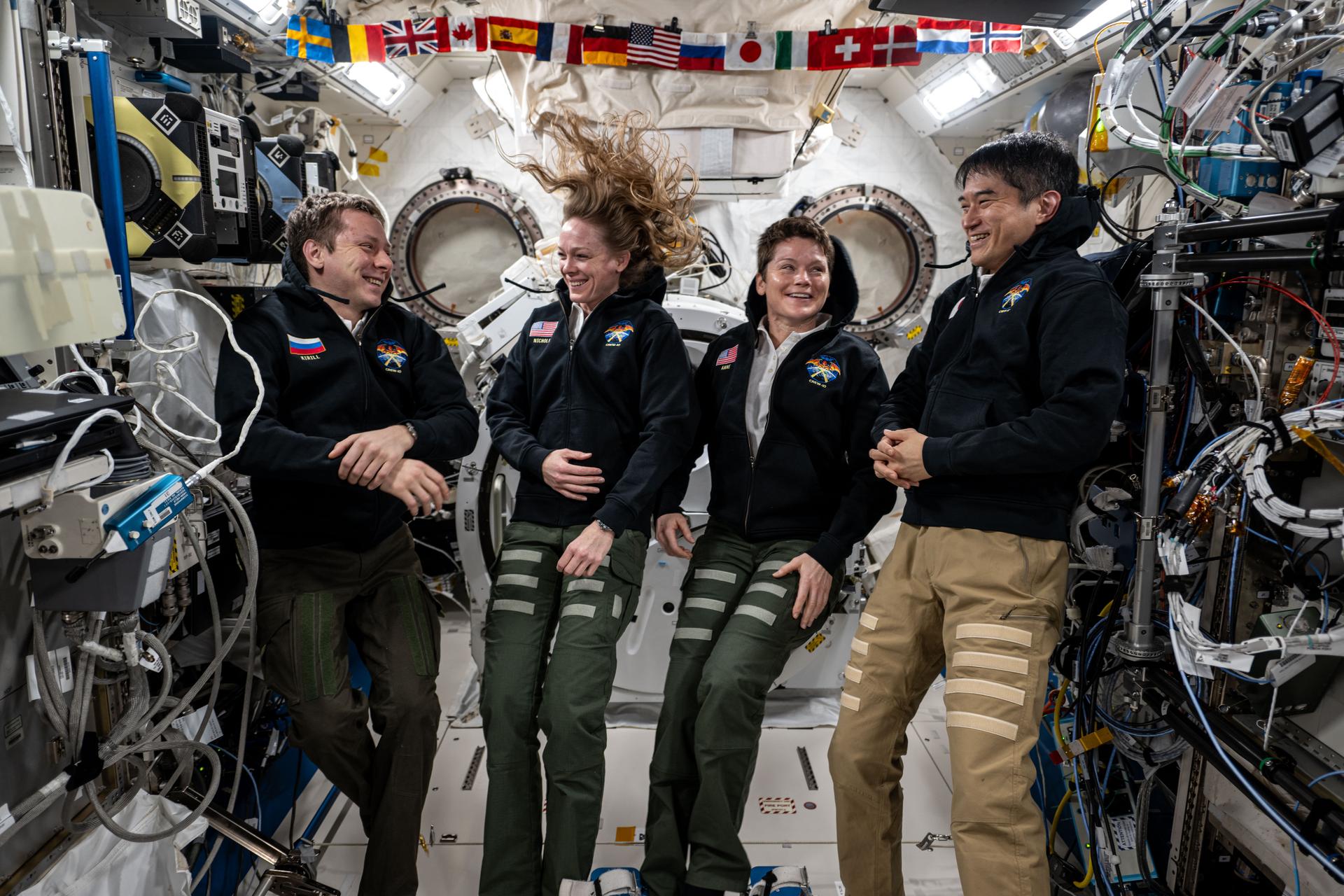
The Crew 12 mission was launched on April 23, 2021, from NASA’s Kennedy Space Center in Florida aboard SpaceX’s Crew Dragon spacecraft. The astronauts on this mission included NASA’s Mark Vande Hei, Shane Kimbrough, and Akihiko Hoshide of the Japan Aerospace Exploration Agency (JAXA), along with European Space Agency (ESA) astronaut Thomas Pesquet. This mission aimed to transport the astronauts to the International Space Station (ISS) as part of NASA’s ongoing initiative to maintain a continuous human presence in orbit.
Notably, the Crew 12 mission marked the second operational flight of the Crew Dragon spacecraft following the successful Demo-2 mission. The launch vehicle, a Falcon 9 rocket, showcased the advancements made in reusable rocket technology, which has become a cornerstone of SpaceX’s strategy and significantly reduces launch costs.
Significance and Future Implications
The successful Crew 12 launch reaffirmed NASA’s commitment to advancing human exploration of space through partnerships with commercial entities. It symbolizes a renewed focus on expanding international collaboration in space missions while supporting scientific research aboard the ISS.
The implications for future space exploration are vast, as NASA looks forward to further missions that will not only include maintaining the ISS but also preparing for crewed missions to the Moon and Mars. The Artemis program, which aims to return humans to the Moon, relies heavily on the success of missions like Crew 12 and the advancements pioneered by SpaceX.
Conclusion
As we reflect on the significance of the NASA SpaceX Crew 12 launch, it becomes clear that this mission is not just another chapter in spaceflight but a glimpse into the future of exploration beyond our planet. With continued support for commercial partnerships and technological innovations, mankind is closer than ever to achieving long-term space habitation and exploring the depths of the solar system.