Introduction
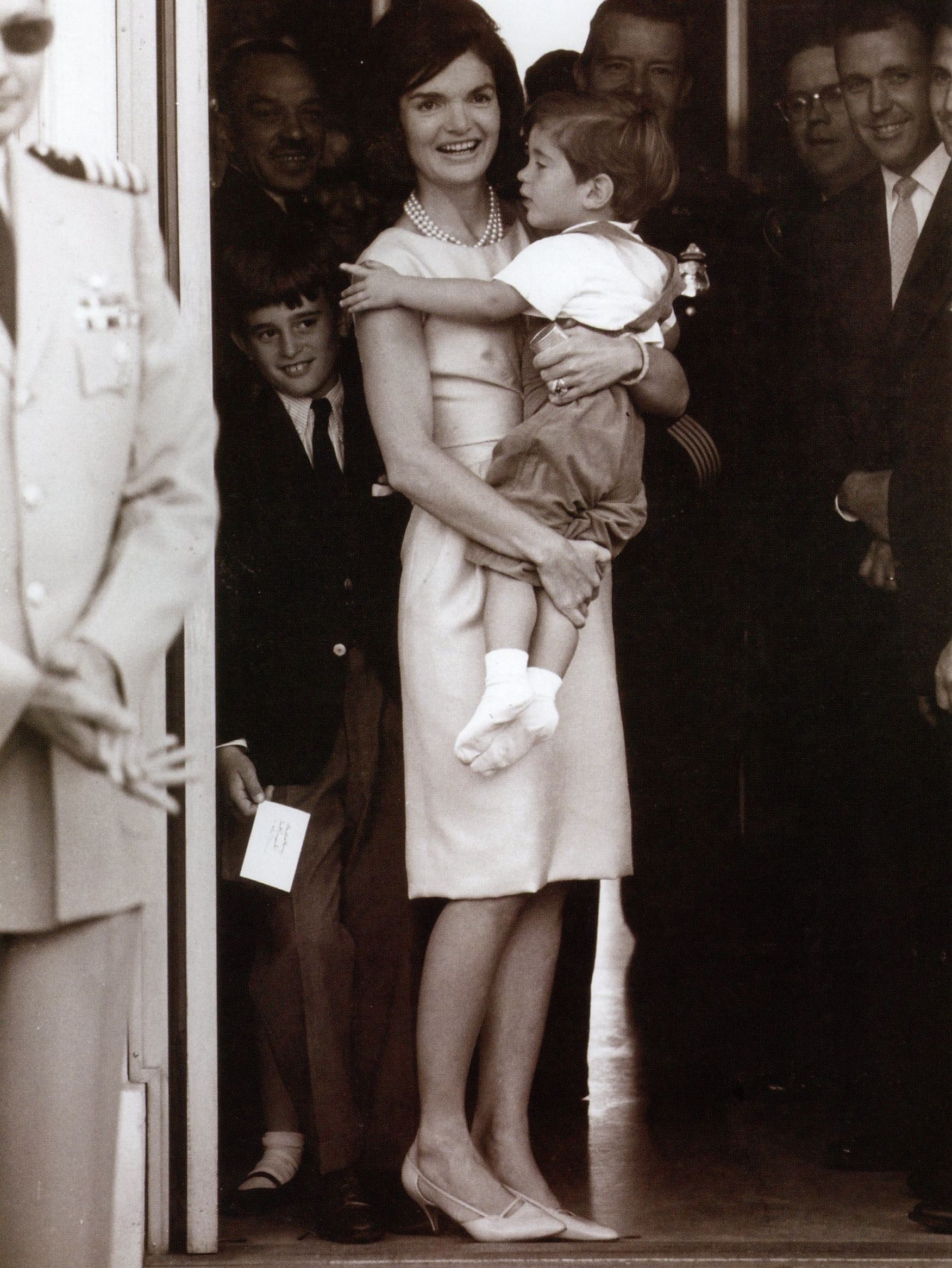
Jackie Kennedy, the First Lady of the United States from 1961 to 1963, remains a pivotal figure in American history and culture. Her elegance and poise during a tumultuous period have left a lasting impression on the nation. As the wife of President John F. Kennedy, Jackie not only served as a gracious hostess in the White House but also championed causes like historic preservation and the arts, making her a multifaceted icon whose influence is still felt today.
Jackie’s Early Life and Marriage
Born on July 28, 1929, in Southampton, New York, Jacqueline Lee Bouvier grew up in a wealthy family that emphasized education and cultural appreciation. After graduating from George Washington University, Jackie pursued a career in journalism, which is where she met John F. Kennedy in 1952. The couple married in 1953, and Jackie quickly became a vital part of her husband’s political career.
As First Lady
During her time as First Lady, Jackie Kennedy was known for her impeccable style and dedication to the arts. She redefined the role of First Lady by focusing on cultural initiatives, including the restoration of the White House and promoting American art and culture. A staunch advocate for the arts, she was instrumental in the establishment of the Kennedy Center for the Performing Arts, which opened in 1971, long after her husband’s assassination.
Her Style and Influence
Jackie’s fashion sense also created a significant impact on American style. Her iconic outfits, characterized by bold colors, classic cuts, and luxurious fabrics, continue to influence fashion designers. The Chanel suit she wore on the day of her husband’s assassination has become synonymous with style under pressure and has been replicated in various forms by fashion houses around the world. Beyond fashion, her commitment to cultural endeavors reshaped the perception of public figures’ roles in society.
Life After the White House
Following the assassination of JFK in 1963, Jackie Kennedy struggled but continued to maintain her strong public presence. She married Greek shipping magnate Aristotle Onassis in 1968, seeking a life away from the shadows of her first marriage. Despite her attempts at privacy, Jackie remained an subject of fascination, as shown by her numerous interviews and public appearances that often focused on her past as First Lady.
Conclusion
Jackie Kennedy’s legacy is more than just her time in the White House; it encompasses her dedication to the arts, her influence on fashion, and her resilience in the face of personal tragedy. As a cultural icon, her impact is visible not just in the history books but in the ongoing conversations about the roles of women, fashion, and public life in America. Today, discussions about her life highlight the importance of her contributions to American culture and underscore how her spirit continues to resonate in contemporary society.