Introduction
The Skeleton Olympics is one of the most exhilarating and dangerous events at the Winter Olympics, showcasing athletes who speed headfirst down a narrow, twisting ice track. This sport combines incredible physical strength, mental fortitude, and precise technique, making it a captivating spectacle for audiences around the globe. The Skeleton has been a part of the Olympic program since 1928 and continues to draw attention for its intensity and the remarkable skills of its competitors.
The History of Skeleton in the Olympics
Skeleton racing’s origins trace back to the late 19th century in Switzerland, but it was officially included in the Olympic Games in 1928, held in St. Moritz. After a hiatus, it made a successful return to the Olympic stage in 2002. Since then, events have been held on venues engineered specifically for bobsled, luge, and skeleton, enhancing both athlete safety and competition quality.
How the Sport Works
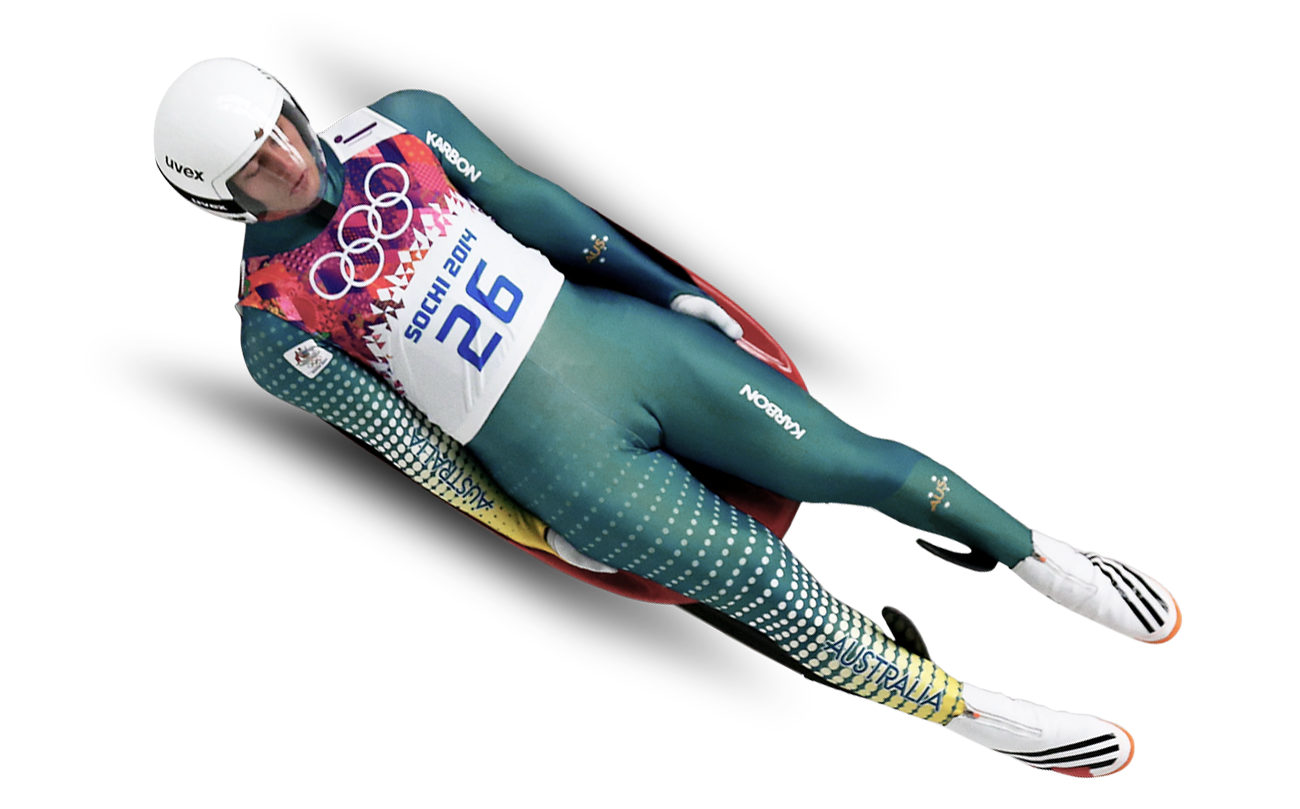
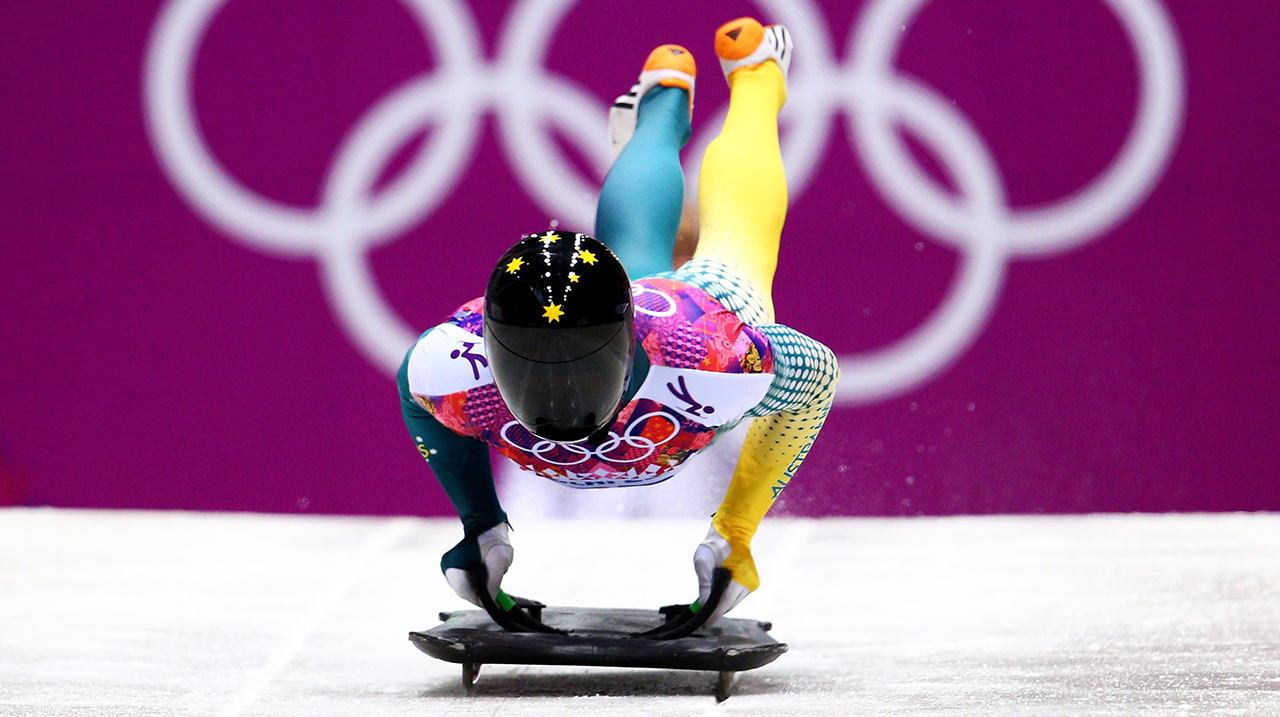
In skeleton, athletes make timed runs while lying face down on a small sled, known as a skeleton. The sleds are typically made from steel and fiberglass, and competitors can reach speeds of over 80 miles per hour as they navigate a series of curves and turns. Each athlete has two runs, with the combined total time determining the results. Athletes must possess extraordinary strength to launch their sleds and remarkable skills to maintain control while racing downhill.
Recent Developments and Competitions
The most recent Winter Olympics held in Beijing in 2022 featured thrilling skeleton races that captivated viewers. Athletes from around the world, including the United States, Germany, and Canada, displayed incredible talent and resilience. In a remarkable feat, German athlete Francesco Friedrich took home the gold medal, showcasing the precision and strategy vital for success. Furthermore, several technological advancements continue to improve sled designs, thus elevating performance and safety standards.
Conclusion
The Skeleton Olympics remain a powerful testament to human athleticism, engineering prowess, and the thrill of competition. As audiences continue to engage with this enigmatic sport, the future of skeleton racing looks promising, with numerous emerging talents ready to take the stage in upcoming international competitions and the 2026 Winter Olympics. The combination of speed, skill, and courage associated with skeleton adds an exciting layer to Olympic events, inspiring both future athletes and spectators worldwide.