Introduction
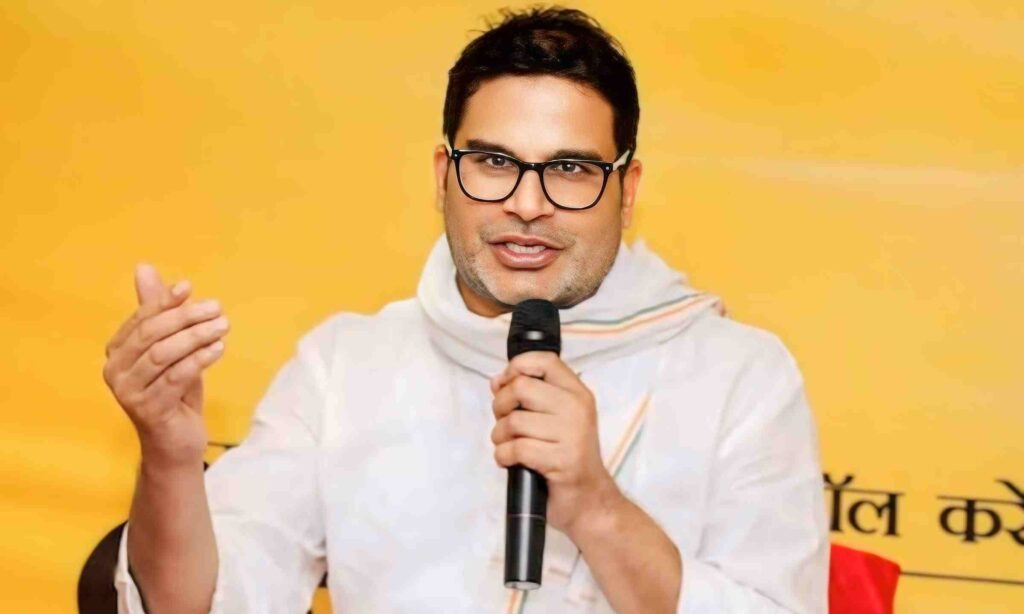
Prashant Kishor has emerged as a significant figure in Indian politics, recognized for revolutionizing the way political campaigns are conducted. His strategic mind and innovative approaches have influenced numerous electoral outcomes across the country, making him a sought-after political consultant. As the political landscape of India continues to evolve, his methods and insights are becoming increasingly relevant.
The Rise of Prashant Kishor
Prashant Kishor first gained national prominence during the 2014 general elections as part of the Bharatiya Janata Party’s (BJP) campaign. His knack for data analytics, alongside traditional campaigning, led to the BJP’s sweeping victory. Following this success, he worked with various political parties, helping them tailor their campaigns to reach broader audiences through digital strategies and grassroots mobilization.
Key Strategies and Campaigns
One of Kishor’s most notable strategies is his focus on grassroots engagement and data-driven campaigning. For instance, in the 2021 West Bengal assembly elections, he played a pivotal role in shaping the Trinamool Congress’s (TMC) campaign, leveraging data to identify voter concerns and preferences. His approach has consistently demonstrated the importance of understanding local issues to create relevant narratives that resonate with the electorate.
In recent months, Kishor has launched his own political movement, ‘Indian Political Action Committee’ (IPAC), which aims to empower citizens and tackle various societal issues. This initiative indicates his ambition to further influence the political discourse in India and reflect a deeper connection with the common citizen’s aspirations.
Challenges and Controversies
However, Kishor’s journey has not been without challenges. His association with different political parties has attracted scrutiny and raised questions about his political neutrality. Some critics argue that his methods may undermine the core values of democracy by focusing too much on image management rather than substantive policy discussions.
Conclusion
As India approaches the 2024 general elections, Prashant Kishor’s influence is likely to grow, making him a critical player in shaping political narratives. His data-centric approach has not only transformed electoral campaigns but also set a new standard for future political consultants. For readers and voters alike, understanding Kishor’s strategies provides valuable insight into the changing dynamics of electoral politics in India, paving the way for a more informed electorate and, potentially, a more vibrant democracy.