Introduction
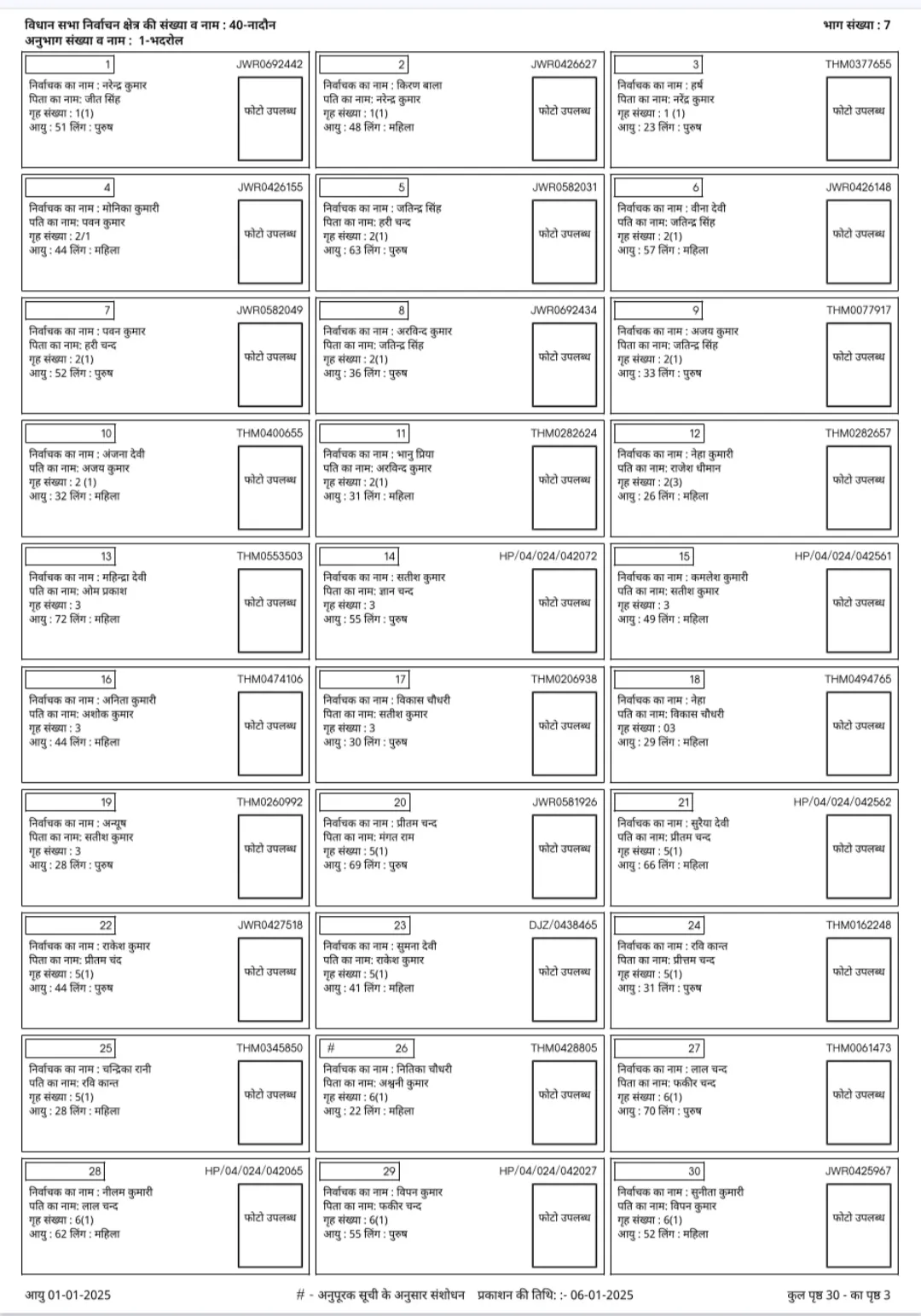
The accuracy and accessibility of voter lists are crucial components of any democratic election. As we approach the upcoming election season, ensuring that every eligible voter is registered and able to participate in the electoral process is more important than ever. Voter lists form the backbone of accessible electoral democracy, directly impacting voter turnout and election integrity.
Why Voter Lists Matter
Accurate voter lists ensure that each eligible individual has the right to vote, minimizing instances of disenfranchisement. According to the U.S. Census Bureau, the national voter turnout in the 2020 presidential election was around 66.8%, a significant increase from previous years partly attributed to proactive measures in maintaining updated voter lists. The responsibility of managing these lists typically falls to state election offices, which are tasked with merging new data, removing duplicates, and purging names of voters who have passed away or changed their residency.
Recent Developments
In 2023, several states have introduced new legislation aimed at enhancing the accuracy of voter lists. For instance, some states have implemented automatic voter registration systems that create voter lists directly from driver’s license applications. Additionally, technology has played a significant role. States are increasingly leveraging data analytics to identify inaccuracies within voter lists, ensuring that these lists are not only complete but also current.
However, access to these lists has come under scrutiny. In several states, legislation limiting public access to voter registration data has been debated, with supporters claiming that it enhances privacy and security, while critics argue it hampers transparency and accountability in the electoral process.
Challenges Ahead
Amidst technological advancements and legislative changes, maintaining the integrity and accuracy of voter lists remains a challenge. Issues such as bureaucratic inefficiencies, cyber threats, and misinformation can undermine the reliability of voter registration efforts. Furthermore, as a large portion of the eligible population moves or changes name and status, the dynamic nature of these lists requires constant updates and community engagement to ensure accuracy.
Conclusion
As we prepare for future elections, the significance of well-maintained voter lists cannot be overstated. They are fundamental to ensuring that the electoral system is fair and representative. With ongoing discussions regarding privacy, access, and technology, it is essential for voters to remain informed and engaged with their local election offices. Moving forward, the challenge will be to balance accessibility with security while fostering greater public trust in the electoral process. As citizens, being aware of the voter list dynamics can empower individuals and promote active participation in democracy.