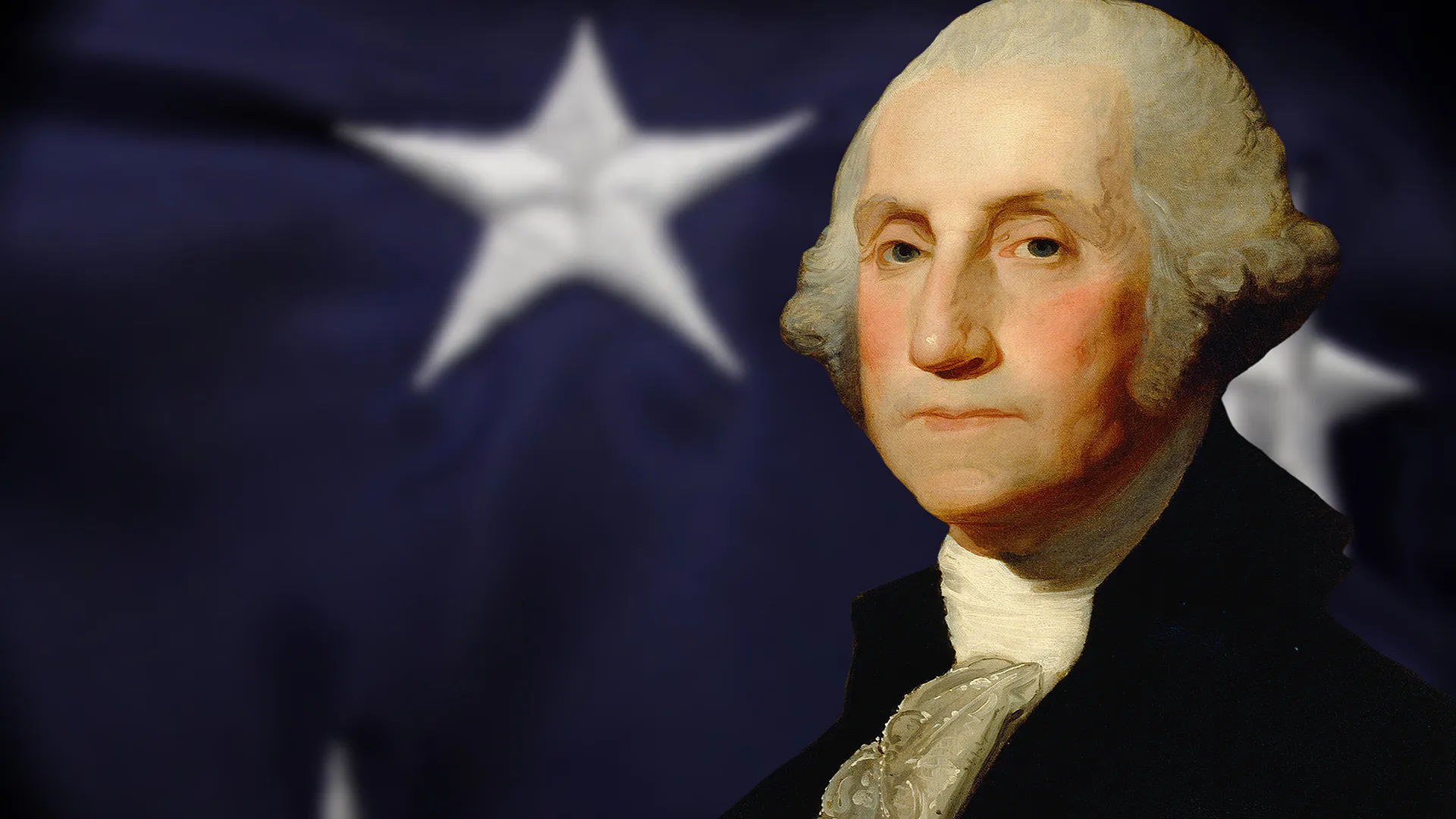
The Importance of George Washington
George Washington remains one of the most pivotal figures in American history, often referred to as the “Father of His Country.” His leadership during the American Revolutionary War and his role in shaping the founding principles of the United States have left an indelible mark on the nation. Understanding his contributions is crucial for comprehending the roots of American democracy and the foundational values that continue to resonate today.
Key Events in Washington’s Life
Born on February 22, 1732, in Virginia, Washington began his career as a land surveyor before joining the military. His leadership was first recognized during the French and Indian War, but it was his role as Commander-in-Chief of the Continental Army during the Revolutionary War that solidified his historical reputation. Following the war’s end in 1783, Washington was unanimously elected as the first President of the United States in 1789.
During his presidency, he established many protocols that are still in practice today, including the formation of the Cabinet and the tradition of a two-term presidency. Washington’s Farewell Address in 1796 warned against political factions and foreign entanglements, which remains relevant in contemporary political discourse.
Legacy and Significance
George Washington’s legacy extends beyond his time in office. He became a symbol of national unity and integrity. The decision to voluntarily step down from power after two terms has become a cornerstone of democratic leadership, influencing future presidents to follow suit and reinforcing the principle of peaceful transfer of power.
In recent years, discussions about Washington’s legacy have also included debates on his ownership of enslaved people and the complexities of his character and beliefs. This multifaceted examination calls for a deeper understanding of historical context and its implications for today.
Conclusion
Today, George Washington is commemorated in countless ways, from monuments and currency to annual celebrations. As America reflects on its history, Washington’s life serves as a reminder of the complexities of leadership and the foundations upon which the country was built. The ongoing dialogue regarding his legacy highlights the importance of critically examining history and its influence on current events and societal values. For readers, Washington’s story is not just a historical account but also a lens through which to view the evolving narrative of American democracy.