Introduction
Curling is a unique and strategic sport that has captivated audiences worldwide, especially during the Winter Olympics. With its mix of skill, teamwork, and precision, understanding the rules of curling is essential for players and fans alike. The rules dictate how the game is played, ensuring fair competition and showcasing the tactical nuances that make curling so fascinating.
The Basics of Curling
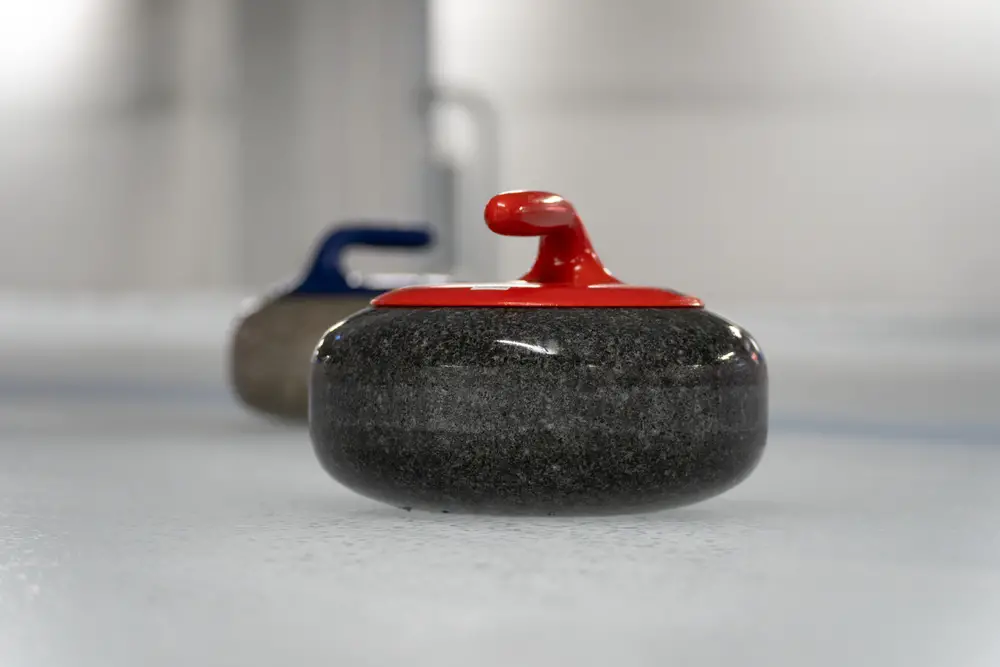
Curling is played on a rectangular sheet of ice with a target area known as the “house.” Each team consists of four players who take turns sliding stones towards the house, aiming to get the stones as close to the center as possible. The sport has two primary types of game formats: traditional curling and mixed doubles, each with specific rules and objectives.
Key Rules of Curling
1. **Team Composition**: Each team has four players in traditional curling and two players in mixed doubles. A team’s lineup must remain the same throughout a game.
2. **Scoring**: Only one team can score per end, with points awarded for each stone that is closer to the center of the house than the opponent’s closest stone. Games typically consist of 8 to 10 ends, depending on the rules of the tournament.
3. **Delivery of Stones**: Players slide stones down the rink from a starting block, also known as the “hack.” The delivery must be done according to the rules, including the requirement that the leading edge of the stone must cross the near tee line before it can be considered in play.
4. **Sweeping**: Players can sweep the ice in front of a moving stone to influence its trajectory and speed. However, sweeping must stop immediately once the stone comes to rest or reaches the house.
5. **Fouls**: Certain actions can lead to fouls, such as touching a stone before it has stopped or interfering with an opponent’s stone. These infractions can result in penalties or loss of shot.
Recent Developments
In 2023, curling organizations have been focusing on promoting inclusivity and accessibility within the sport. New adaptations have been made to encourage youth participation and empower players with disabilities to engage in curling competitions. These changes align with the International Curling Federation’s goals of increasing global interest in the sport.
Conclusion
With its rich history and strategic complexities, curling continues to grow both as a spectator sport and recreational activity. Understanding its rules is critical for anyone looking to appreciate the intricacies of the game. As curling evolves and adapts to new audiences, its fundamental rules remain the backbone of what makes the sport so unique and thrilling. Whether you’re a player or a fan, knowing the curling rules enhances your enjoyment and engagement with this captivating sport.