Introduction
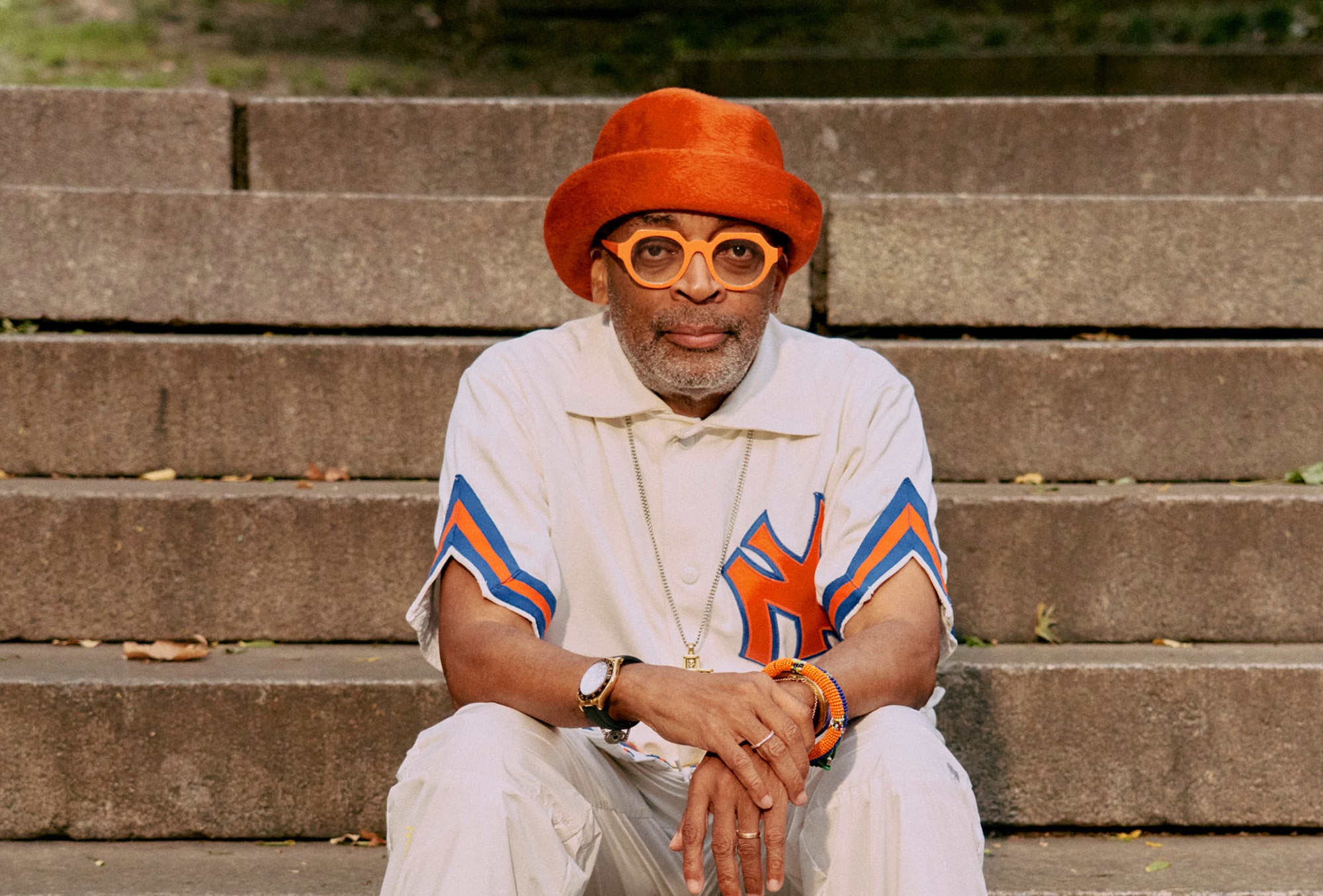
Spike Lee is one of the most influential filmmakers and cultural commentators of our time. His works have not only changed the landscape of American cinema but have also deepened the conversation surrounding race, identity, and social justice. As we witness ongoing discussions about representation in Hollywood, Lee’s contributions remain particularly relevant and crucial in shaping the narrative.
A Pioneering Career
Born in Atlanta, Georgia, in 1957, Shelton Jackson Lee, known professionally as Spike Lee, emerged from New York University’s Tisch School of the Arts in the late 1980s. His debut film, “She’s Gotta Have It” (1986), was a groundbreaking project that explored black womanhood and autonomy. This independent film not only garnered attention for its raw portrayal of woman’s sexual liberation but also paved the way for independent filmmakers seeking to tell authentic stories.
Racism and Social Commentary
Lee’s filmography frequently addresses themes of racism and social inequality. His 1989 film “Do the Right Thing,” which examines racial tensions in a Brooklyn neighborhood, is often regarded as a seminal work in American cinema. The film sparked nationwide discussions when it was released, particularly during a period of heightened racial discord in the U.S. Recent events, such as the Black Lives Matter movement, have revitalized the messages in Lee’s works, illustrating their continued relevance in today’s society.
Innovative Techniques and Education
Known for his unique directorial style, Lee employs various cinematic techniques, including dynamic camera angles and innovative narratives. Much of his work challenges conventional storytelling, encouraging audiences to question their perceptions of race and society. Beyond filmmaking, Lee is also an educator. He has taught at NYU since 1991, mentoring the next generation of filmmakers and advocating for diversity in storytelling.
Current Projects and Legacy
More recently, Spike Lee directed “Da 5 Bloods” (2020), a powerful exploration of the Vietnam War through the lens of African American soldiers. The film not only highlights historical injustices but also examines contemporary issues, including systemic racism within the military. As he continues to produce compelling works, Lee’s influence in the film industry and broader culture persists.
Conclusion
As a filmmaker, educator, and activist, Spike Lee has changed the conversations surrounding race and representation in media. His commitment to storytelling, coupled with a relentless pursuit of social justice, ensures that his work is as significant today as it was in the late 20th century. For audiences and aspiring filmmakers alike, Lee’s legacy is a reminder of the power of cinema to provoke thought and inspire change.