Introduction
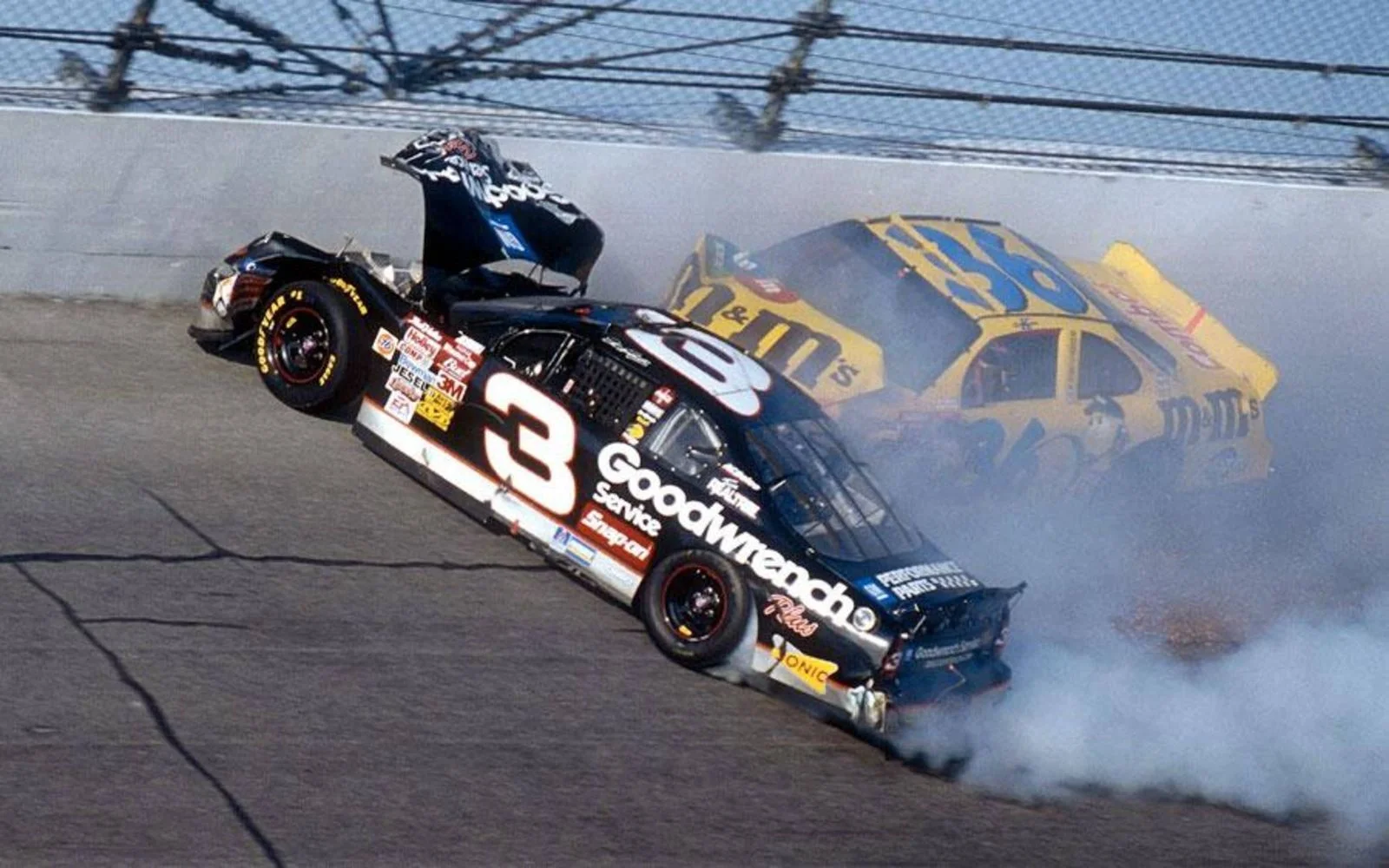
The tragic crash of Dale Earnhardt on February 18, 2001, during the final lap of the Daytona 500, remains one of the most significant events in NASCAR history. This incident not only shocked fans but also emphasized the need for traction in motorsport safety protocols and vehicle technology. As one of the sport’s most iconic figures, Earnhardt’s passing prompted widespread reflection on safety measures in racing, making this topic more relevant than ever as NASCAR continues to evolve.
The Incident
On that fateful day, Dale Earnhardt was racing in what was to be his final NASCAR event. During the last lap of the Daytona 500, he was involved in a collision that sent his car into the wall at high speed. The impact was catastrophic, leading to a fatal head injury caused by the steering column and the car’s design. Despite the efforts of the medical team on-site, Earnhardt was pronounced dead shortly after the crash, sending shockwaves through the racing community.
Investigation and Aftermath
In the days following the crash, the NASCAR community was left to grapple with the implications of safety in racing. An investigation was launched, and it was determined that several factors contributed to the severity of the crash. Notably, the lack of seat belt systems designed to limit head movement, as well as outdated safety measures in car design, were highlighted as critical issues. In response to Earnhardt’s death, NASCAR implemented several changes, including the mandating of the HANS device (Head and Neck Support) and improvements to car safety standards.
Legacy and Reforms
The legacy of Dale Earnhardt extends beyond his racing accolades; it champions a renewed commitment to safety in motorsports. His death became a rallying cry for the advancement of safety regulations in NASCAR. The ‘Dale Earnhardt Foundation’ has also played a role in promoting the importance of safety, furthering research and education initiatives to prevent future tragedies.
Conclusion
The Dale Earnhardt crash remains a pivotal moment in the history of NASCAR, encapsulating the sport’s evolving relationship with safety. As NASCAR continues to adapt, the lessons learned from this tragedy are a reminder of the risks involved in motorsports and the importance of innovative safety solutions. The legacy of Dale Earnhardt not only lives on through his racing achievements but also in the commitment to ensuring safer environments for upcoming generations of racers. As fans and participants honor his memory, the ongoing evolution of safety standards serves as a testament to his impact on the sport.